What is a Folding Carton and Why It is Essential for Packaging Solutions
Folding cartons have become a pivotal component in the packaging industry, serving a wide array of sectors from food and beverages to pharmaceuticals. According to a market report published by Smithers Pira, the global folding cartons market was estimated to reach $200 billion by 2025, reflecting a compound annual growth rate (CAGR) of 3.8% from 2020. This remarkable growth can be attributed to the increasing demand for sustainable packaging solutions, as businesses look to reduce environmental impact and enhance brand image. Folding cartons are particularly appealing due to their recyclability and ease of use, ensuring they meet consumer expectations in modern packaging.
Industry expert Dr. Emily Thompson, a leading figure in sustainable packaging, emphasizes the importance of folding cartons in today’s marketplace: "Folding cartons are not just a packaging option; they are an essential solution that combines functionality with environmental responsibility." As companies strive to meet sustainability goals, folding cartons are being recognized for their ability not only to protect products but also to serve as an effective marketing tool. With innovations in design and manufacturing, the future of folding cartons looks promising, cementing their role as a cornerstone in the packaging sector.

What is a Folding Carton? An Overview of Its Definition and Features
A folding carton is a type of packaging made from paperboard that is designed to hold products securely while providing aesthetic appeal and practical functionality. Its construction involves flat pieces of paperboard that are die-cut and creased, allowing them to be easily folded into a stable box shape. This innovative design not only enhances the protection of the goods inside but also allows for efficient storage and shipping, as the cartons can be shipped flat and assembled on-site when needed.
One of the defining features of folding cartons is their versatility. They can be printed with vibrant designs, making them suitable for branding purposes, while also being customizable in size and shape to accommodate various products. Folding cartons are commonly used in a range of industries, including food and beverage, cosmetics, and pharmaceuticals, due to their ability to provide not only protection but also marketing space for product information and branding elements.
In addition, they are eco-friendly options, as they are primarily made from recyclable materials, aligning with the growing demand for sustainable packaging solutions in today’s market.
Historical Development of Folding Cartons in Packaging Industry
The historical development of folding cartons can be traced back to the late 19th century when industrialization was transforming packaging solutions. Initially, products were often wrapped in paper or cloth, which provided minimal protection and an unprofessional appearance. The advent of folding cartons introduced a more structured and visually appealing option for manufacturers, allowing them to present their goods more effectively while maintaining ease of transport and storage. Early adaptations of folding cartons were often handmade, crafted from paperboard that could be easily folded into shape.
As the 20th century progressed, advances in technology revolutionized the production processes for folding cartons. The introduction of automated machinery enabled mass production, significantly reducing costs and improving efficiency. This innovation spurred widespread adoption across various industries, including food, cosmetics, and pharmaceuticals. The folding carton not only improved product protection but also became a vital marketing tool, allowing companies to incorporate eye-catching designs and branding elements directly onto their packaging.
Over time, folding cartons evolved to meet the growing demands for sustainability, leading to the use of recyclable materials and eco-friendly production methods, solidifying their essential role in modern packaging solutions.
Key Advantages of Folding Cartons in Product Protection and Presentation
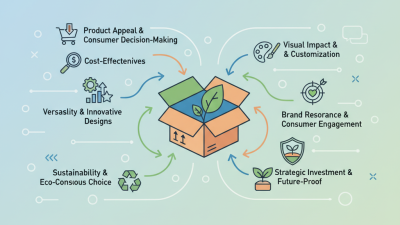
Folding cartons are an integral component of modern packaging solutions, combining functionality with aesthetic appeal. Their structure allows for efficient shipping and storage while providing excellent product protection. Designed to safeguard items from damage during transport and handling, these cartons can withstand varying environmental conditions, making them essential for preserving product integrity. Furthermore, folding cartons can be tailored to suit various shapes and sizes, allowing brands to create unique packaging that enhances the product's visual presentation on the shelf.
One of the key advantages of folding cartons is their versatility in design. They can be printed with vibrant colors and intricate graphics, which not only attract consumers but also communicate brand identity effectively. Additionally, the ability to customize the carton size means they can accommodate diverse products, from cosmetics to food items, ensuring that everything is securely fitted. As an added benefit, manufacturers often use eco-friendly materials for folding cartons, appealing to environmentally conscious consumers.
Tips for utilizing folding cartons effectively include considering the size of the product during the design phase to avoid excessive space that may lead to movement and damage. It's also beneficial to use materials that are robust yet lightweight, striking a balance between protection and shipping costs. Lastly, integrating branding elements such as logos or unique design features can elevate the product's market presence and enhance customer engagement.
Advantages of Folding Cartons in Product Protection and Presentation
Market Statistics: Growth and Demand for Folding Cartons in 2023
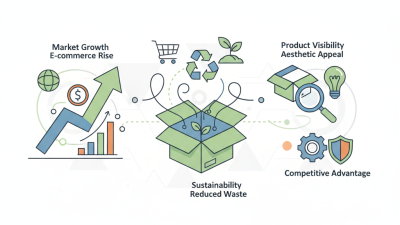
The folding carton market is experiencing significant growth in 2023, driven by the increasing demand for sustainable packaging solutions across various industries. According to a recent report by Smithers, the global folding carton market was valued at approximately USD 200 billion in 2022 and is projected to reach around USD 250 billion by 2027, reflecting a compound annual growth rate (CAGR) of about 5%. This growth can be attributed to the rising awareness of environmental issues, leading many companies to shift towards recyclable and biodegradable packaging materials.
Furthermore, the food and beverage sector continues to be the largest consumer of folding cartons, accounting for over 40% of the total market share. A study by MarketsandMarkets indicates that the increasing demand for convenience food and ready-to-eat meals is propelling the need for efficient packaging solutions that preserve product integrity while being easy to transport. In addition, the rise of online shopping and e-commerce has necessitated the development of robust folding cartons, ensuring products remain safe during transit. With manufacturers focusing on innovation and sustainability, the folding carton market is poised for continued expansion, aligning with global trends toward eco-friendly packaging practices.
What is a Folding Carton and Why It is Essential for Packaging Solutions - Market Statistics
| Region |
Market Size (Million $) |
Growth Rate (%) |
Demand Factors |
| North America |
3,500 |
4.5 |
E-commerce, custom packaging needs |
| Europe |
4,200 |
3.8 |
Sustainability trends, retail expansion |
| Asia-Pacific |
5,000 |
6.2 |
Urbanization, rising disposable income |
| Latin America |
1,200 |
5.0 |
Growth in food & beverage sector |
| Middle East & Africa |
800 |
4.0 |
Increasing retail sector, packaging innovation |
Applications of Folding Cartons Across Various Industries and Products
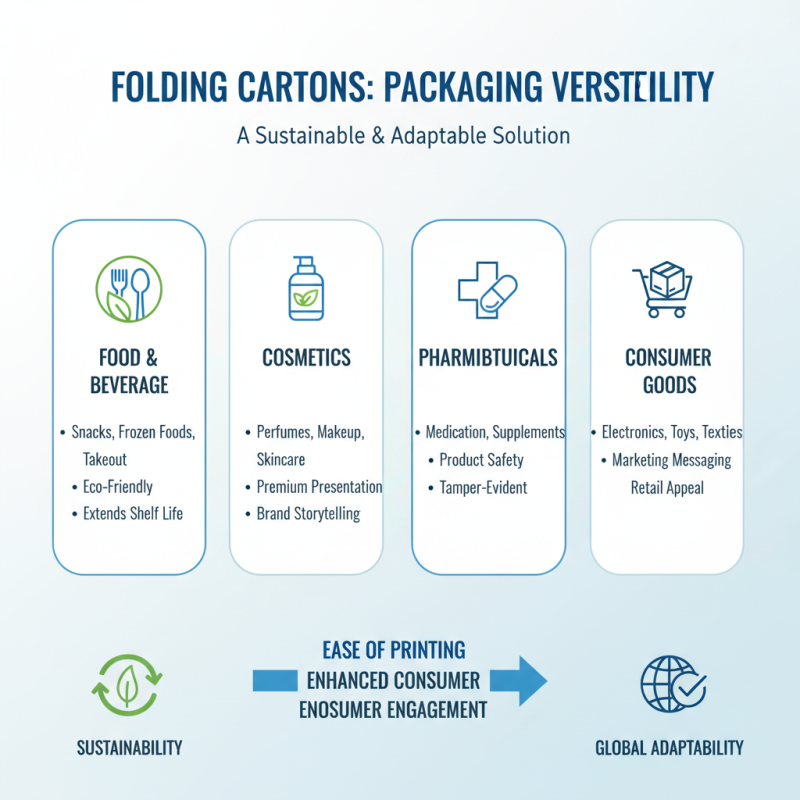
Folding cartons have become a vital element in the packaging landscape, catering to a multitude of industries and product types. Their versatility is showcased in sectors such as food and beverage, cosmetics, pharmaceuticals, and consumer goods. In the food industry, folding cartons are commonly used for packaging snacks, takeout meals, and frozen foods, where they ensure product safety and extend shelf life while being environmentally friendly. The ease of printing on these cartons also allows brands to vividly convey their marketing messages and product information, enhancing consumer engagement.
In addition to food packaging, folding cartons play a significant role in the cosmetics and personal care industry. They provide an appealing presentation for products such as skincare items, perfumes, and makeup. The ability to customize design and structure makes folding cartons ideal for creating unique unboxing experiences that attract customers. Similarly, in the pharmaceutical sector, these cartons are pivotal for packaging medications and health supplements, offering essential features such as tamper resistance and child-proof closures. The essential role of folding cartons across diverse applications underscores their importance in delivering quality, safety, and aesthetic appeal for products in various markets.