Folding cartons have emerged as a pivotal element in sustainable packaging. These versatile containers not only protect products but also minimize environmental impact. Industry expert Sarah Bennett states, "Folding cartons are a key to reducing waste in the packaging sector." This sentiment resonates as businesses and consumers alike demand eco-friendly practices.
The materials used in folding cartons are primarily recyclable and often sourced from renewable resources. This reduces the carbon footprint associated with traditional packaging. Furthermore, folding cartons can decrease transportation costs due to their lightweight nature. This is particularly important when companies strive to implement greener logistics.
However, the transition to folding cartons is not without challenges. Some brands still hesitate, fearing higher production costs or lack of consumer awareness. It's vital for the industry to educate stakeholders on the benefits. As we move forward, embracing folding cartons might be a step towards a more sustainable future. Yet, we must reflect on our practices and continuously seek improvement in our environmental efforts.

Folding cartons play a pivotal role in modern packaging solutions. According to a report by Smithers Pira, the global market for folding cartons is projected to reach USD 250 billion by 2024. This growth illustrates how vital they are to the packaging landscape. They offer a lightweight, versatile option that meets consumer demands for sustainability. Approximately 80% of consumers prefer brands that use eco-friendly packaging.
Materials used in folding cartons are often recyclable and biodegradable. Studies show that 70% of consumers are willing to pay more for a product with sustainable packaging. Yet, not all folding cartons are created equal. Some may contain coatings that hinder recycling. This leads to a need for improvement in material choices. Industry leaders are urged to consider the complete lifecycle of these products. It's crucial to align packaging with environmental goals, while still ensuring functionality.
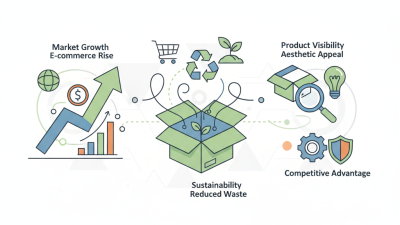
The shift towards e-commerce has also impacted folding carton design. Increased online shopping has led to a surge in demand. However, it raises logistical challenges. Packaging must not only protect the product but also reduce waste. Some companies struggle to balance these needs effectively. As the industry evolves, innovation and transparency will be key. Proper advancements can help companies meet sustainability targets while satisfying consumer expectations.
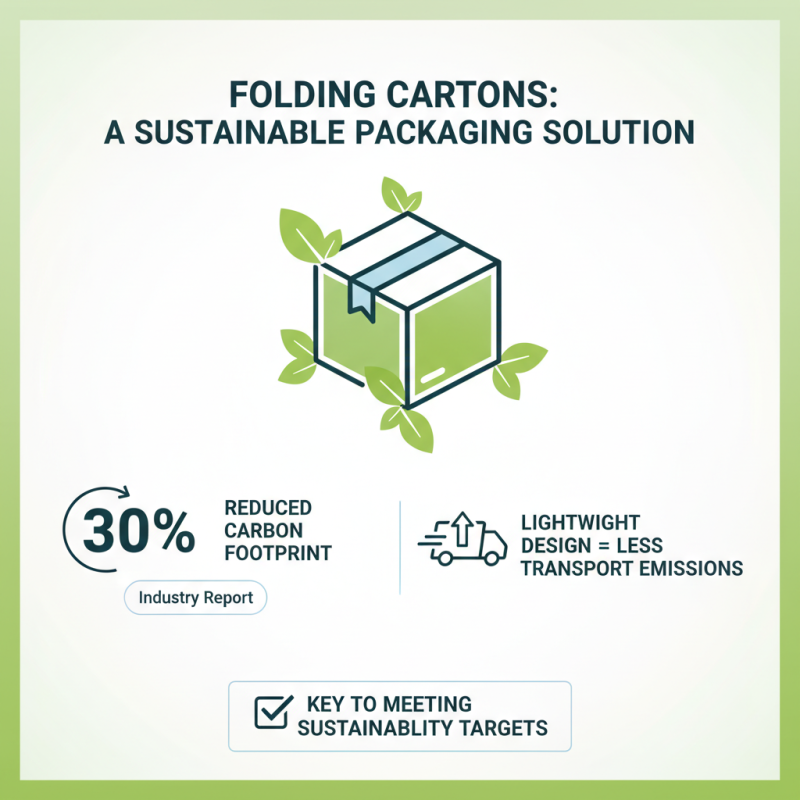
Folding cartons play a significant role in sustainable packaging solutions. Their lightweight design reduces transportation emissions. According to a recent industry report, they can decrease carbon footprints by up to 30%. This reduction is crucial as companies strive to meet sustainability targets.
Recycling is another major benefit. Research shows that folding cartons have a recycling rate of over 70% in many places. They are often made from renewable materials, enhancing their environmental credentials. However, not all folding cartons are created equal. Some may contain plastic coatings that hinder recycling efforts. It's essential to choose options that prioritize recyclable materials.
**Tips:** When selecting folding cartons, look for those marked as recyclable. Collaborate with suppliers who prioritize sustainable practices. Always consider how packaging choices can impact the environment. Small decisions lead to significant changes.
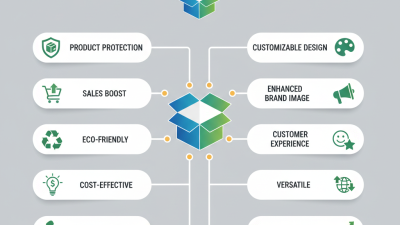
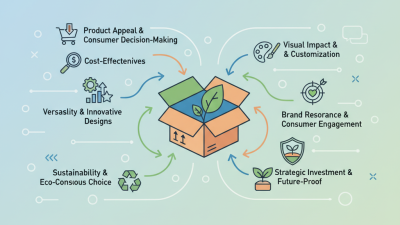
Folding cartons are increasingly recognized for their cost-effectiveness. These packaging solutions are often made from sustainable materials, which is a huge plus for eco-conscious businesses. They are lightweight, which reduces shipping costs. This can translate into significant savings over time. Many companies are looking for ways to cut costs, and folding cartons can help achieve that goal.
They also offer versatility and customization. Businesses can design cartons to fit their specific products. This minimizes waste during production. Moreover, the printing options on folding cartons are vast. Companies can create eye-catching designs without breaking the bank. Yet, not all designs are perfect or effective. Sometimes, businesses miss the mark on consumer appeal. This can lead to unsold inventory, which can be costly.
The environmental impact is another critical factor. Folding cartons are often recyclable or biodegradable. However, many businesses struggle with their recycling systems. Some may not provide clear instructions for customers on how to recycle cartons properly. Awareness is key. A company can emphasize sustainable practices, but if customers don't know the right way to dispose of packaging, it undermines the efforts. This is a challenge that requires reflection and improvement.
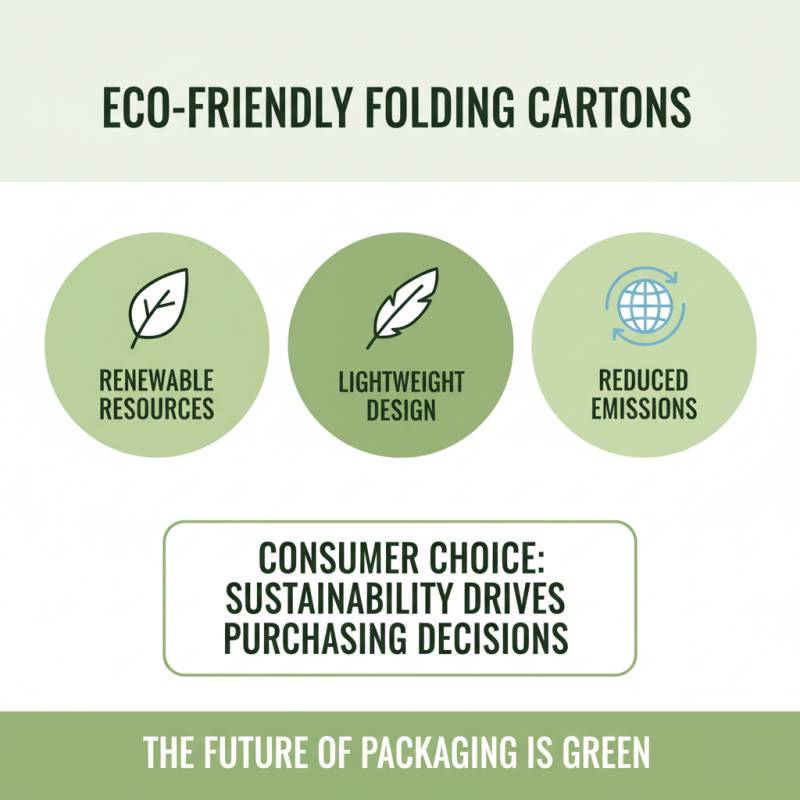
Folding cartons have become a staple in eco-friendly packaging. Many consumers now prioritize sustainability when making choices. These cartons are made from renewable resources, which appeals to eco-conscious buyers. Their lightweight design also reduces transportation emissions, which is a growing concern.
Moreover, consumers appreciate the visual appeal of folding cartons. A well-designed carton can enhance product presentation while being recyclable. This aesthetic quality often sways purchasing decisions. However, some consumers still struggle with understanding recycling symbols. Education on proper disposal methods remains essential in promoting sustainable practices.
Despite their benefits, folding cartons are not without limitations. While they are recyclable, not all facilities can process them. This creates confusion for consumers. Many want to do the right thing but find the information overwhelming. Brands must strive for clarity in packaging labels to support eco-friendly initiatives effectively.
Folding cartons have emerged as a vital component in sustainable packaging. Their design has evolved significantly to meet modern sustainability standards. According to a report by Smithers Pira, 30% of global packaging is made from folding cartons, a figure projected to grow due to increased environmental awareness. Companies are now innovating materials, incorporating recycled content, and enhancing recyclability.
One recent innovation is the use of water-based inks and adhesives. These minimize environmental impact during production and disposal. Many folding cartons are now fully recyclable, promoting a circular economy. The Forest Stewardship Council (FSC) certified sources ensure a responsible supply chain. Data from the Paper and Packaging Board indicates that 90% of consumers prefer packaging made from renewable resources.
Tips for brands include exploring plant-based coatings that reduce plastic usage. Engaging with suppliers who prioritize sustainability can lead to broader innovations. It's crucial to reflect on your current practices. Are your packaging choices aligning with environmental goals? Small changes can yield significant results in sustainability.
| Dimension | Description | Impact on Sustainability |
|---|---|---|
| Material Type | Recycled or sustainably sourced paperboard | Reduces demand for virgin materials, lowering environmental footprint. |
| Biodegradability | Natural degradation in landfill conditions | Mitigates waste accumulation and promotes soil enrichment. |
| Manufacturing Process | Low-energy processes; minimized emissions | Lower carbon footprint compared to traditional packaging methods. |
| Design Innovations | Flat pack design for efficient transport | Reduces transportation emissions through optimized shipping. |
| Recyclability | Easily recyclable materials | Encourages recycling participation and resource recovery. |