Food packaging boxes play a crucial role in the modern food industry, serving not only as a means to transport and store food items but also as a powerful marketing tool. These boxes are designed to protect food from external contaminants, ensure freshness, and enhance the overall presentation of the product. With an ever-increasing demand for convenience and sustainability, the significance of high-quality food packaging boxes cannot be overstated. They are tailored to meet diverse needs, reflecting the unique characteristics of the food products they contain.
The benefits of using food packaging boxes extend beyond mere protection. They contribute to reducing food waste by maintaining shelf life and nutritional value, while also facilitating easier handling and storage. Moreover, businesses can tap into the customization options available for food packaging boxes, allowing for unique designs that align with their brand identity and resonate with consumers. Custom packaging can incorporate colors, logos, and specific materials that appeal to target audiences, making the packaging itself a vital aspect of the product experience.
In this article, we will explore the various types of food packaging boxes available in the market, their numerous benefits, and the exciting customization options that can elevate a brand's presence. Understanding these aspects can help businesses make informed choices in their packaging strategies, ultimately leading to enhanced customer satisfaction and loyalty.
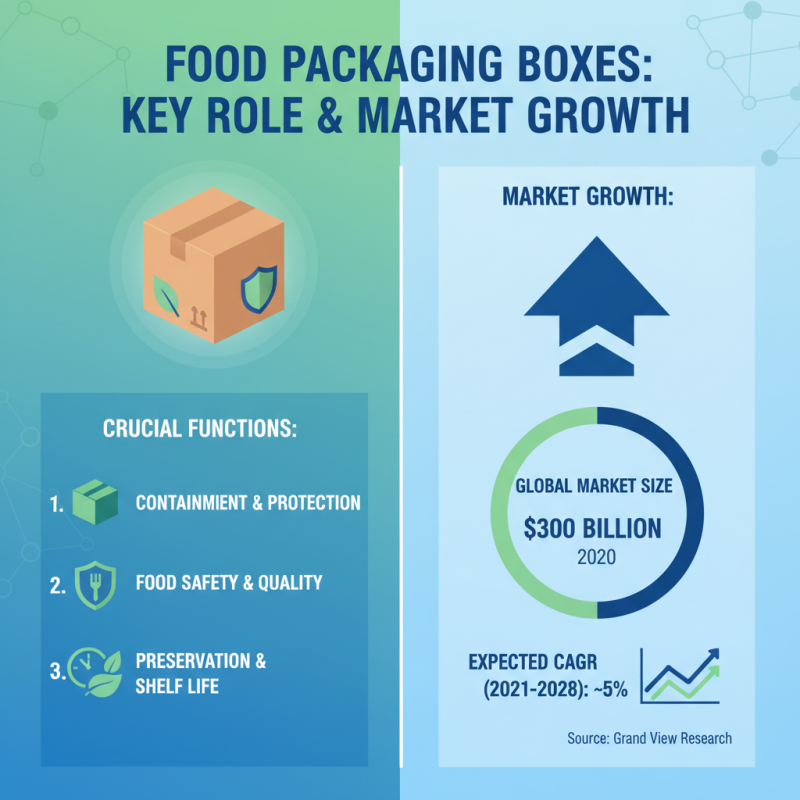
Food packaging boxes play a crucial role in the food industry, serving not only as a means of containment but also as a vital component for maintaining food safety, quality, and shelf life. According to a report by Grand View Research, the global food packaging market size was valued at approximately $300 billion in 2020 and is expected to expand at a compound annual growth rate (CAGR) of around 5% from 2021 to 2028. This growth underscores the increasing emphasis on effective packaging solutions that can preserve freshness and prevent contamination.
In addition to preserving food integrity, packaging boxes also contribute significantly to branding and consumer appeal. The design and aesthetics of food packaging have shown to influence purchase decisions, with a survey by Nielsen indicating that 64% of consumers try new products because of the packaging. Customization options are also a key consideration, allowing businesses to tailor their packaging to align with brand identity and consumer preferences. Sustainable options are gaining traction, as consumers are becoming more environmentally conscious; a study published by the Packaging Association highlighted that 71% of consumers are more likely to buy products with eco-friendly packaging. This trend emphasizes the dual role of food packaging boxes in ensuring product safety while also meeting the evolving demands of today's market.
Food packaging boxes play a crucial role in ensuring the safety and freshness of food products, which is essential for both manufacturers and consumers. According to a report by the Food Packaging Association, up to 70% of consumers consider packaging a significant factor in their purchasing decisions. This statistic highlights the importance of effective food packaging solutions in maintaining product quality and safety during transportation and storage. These boxes are designed to provide a barrier against external contaminants, such as moisture, light, and air, which can otherwise lead to spoilage and degradation of food items.
One of the key benefits of using specialized food packaging boxes is their ability to extend the shelf life of various products. A study published in the Journal of Food Science indicated that proper packaging can reduce food waste by 30%, significantly benefiting both businesses and consumers. For instance, materials such as vacuum-sealed or modified atmosphere packaging can slow down the oxidation process, preserving the flavor and nutritional value of food. Moreover, advanced packaging technologies, like active and intelligent packaging systems, can monitor the freshness of products in real time, ensuring that consumers always receive items at their peak quality. These innovations not only enhance food safety but also contribute to sustainability by minimizing waste in the food supply chain.
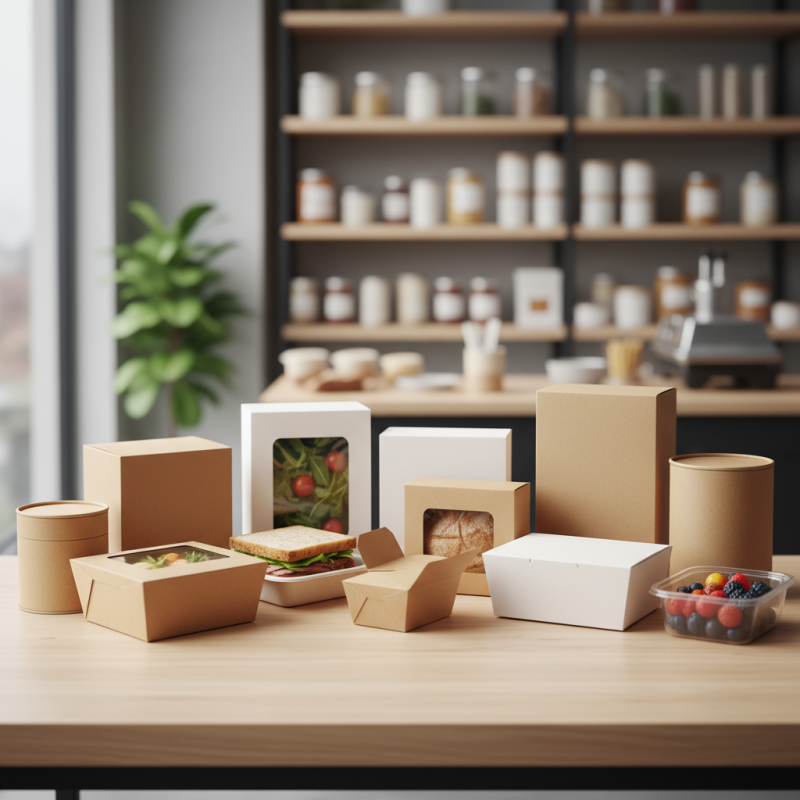
Food packaging boxes are essential for the safe and effective delivery of various types of food products. One of the most common types is the cardboard box, often used for packaging dry goods like cereals, snacks, and baked items. These boxes are lightweight yet sturdy, providing protection from environmental factors while also being easily stackable for efficient storage. Their customizable nature allows brands to showcase their products with vibrant graphics, thus attracting consumers' attention on store shelves.
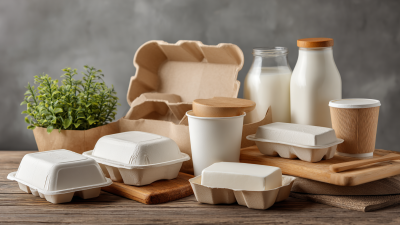
Another widely used option is the plastic food packaging box, frequently utilized for takeout meals and ready-to-eat products. These boxes come in various sizes and shapes, making them versatile for different cuisines. They often feature secure lids to prevent spills and contamination, catering to the increasing demand for convenience in food consumption. Additionally, eco-friendly alternatives, such as biodegradable packaging, are gaining traction. These types not only serve the core purpose of food safety but also align with the growing consumer preference for sustainable practices, offering an attractive option for environmentally-conscious brands. Customization options for these packaging types further enhance their appeal, allowing businesses to meet specific consumer needs while reinforcing their brand identity.
Customization options for food packaging play a crucial role in enhancing brand identity and standing out in a competitive market. According to a report by Smithers Pira, the global packaging market is expected to reach $1 trillion by 2024, emphasizing the importance of unique packaging solutions. Food brands are increasingly investing in custom packaging templates that not only serve functional purposes but also communicate their brand story effectively. Tailored designs, colors, and materials allow businesses to differentiate themselves from competitors, drawing consumer attention and fostering brand loyalty.
Additionally, implementing eco-friendly materials can further enhance brand identity. A study by Nielsen indicates that 66% of global consumers are willing to pay more for sustainable brands. This growing consumer trend encourages businesses to explore biodegradable or recyclable options when customizing their food packaging. By aligning packaging choices with sustainability practices, brands can resonate with environmentally-conscious customers while enhancing their corporate image.
**Tips:** When considering customization, it’s essential to keep the target audience in mind. Engaging graphics and informative labeling can significantly affect perception and purchasing decisions. Additionally, ensure that the chosen packaging protects the product adequately while also being aesthetically pleasing. Marketers should continuously gather consumer feedback to refine packaging designs, ensuring they meet evolving preferences and trends.
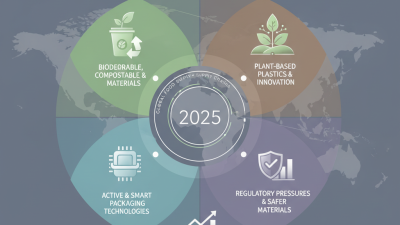
The food packaging industry is experiencing significant shifts as it aligns with emerging trends in sustainability and consumer preferences. Industry statistics indicate a growing demand for eco-friendly packaging solutions, driven by heightened awareness about environmental issues. According to recent reports, nearly 60% of consumers are willing to pay more for products packaged in sustainable materials. This shift not only reflects individual purchasing decisions but also influences brand strategies, with manufacturers increasingly adopting biodegradable and recyclable packaging options to attract environmentally conscious consumers.
Moreover, innovations in food packaging technology are aimed at enhancing both product safety and sustainability. The introduction of materials such as plant-based plastics and compostable films is gaining traction, offering alternatives to traditional packaging that often contributes to waste. Additionally, the industry is witnessing an increase in reusable packaging systems, which not only reduce environmental impact but also decrease long-term costs for businesses. As companies strive to meet these evolving consumer expectations, the focus on sustainability in food packaging is expected to continue growing, shaping the future of the industry.