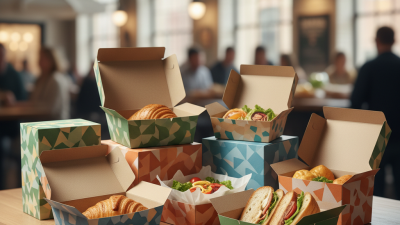
In the competitive realm of food packaging design, standing out is essential for brand success. Renowned packaging designer, Emily Johnson, states, "Good packaging speaks to the consumer before they even try the product." This highlights how crucial first impressions are. Effective food packaging design not only protects the product but also conveys the brand’s story.
Creativity and functionality should go hand in hand. A well-designed package can catch the eye quickly. Unique shapes, vibrant colors, and sustainable materials can create a memorable experience. However, brands must balance aesthetics with usability. Overly complex designs can confuse consumers, diminishing the product's appeal.
Moreover, trends in food packaging design are constantly evolving. Brands face challenges in keeping up with consumer preferences. These shifts require ongoing research and adaptation. Amidst the desire for innovation, brands should revisit their core message. It’s vital to ensure that packaging aligns with consumer values and expectations.
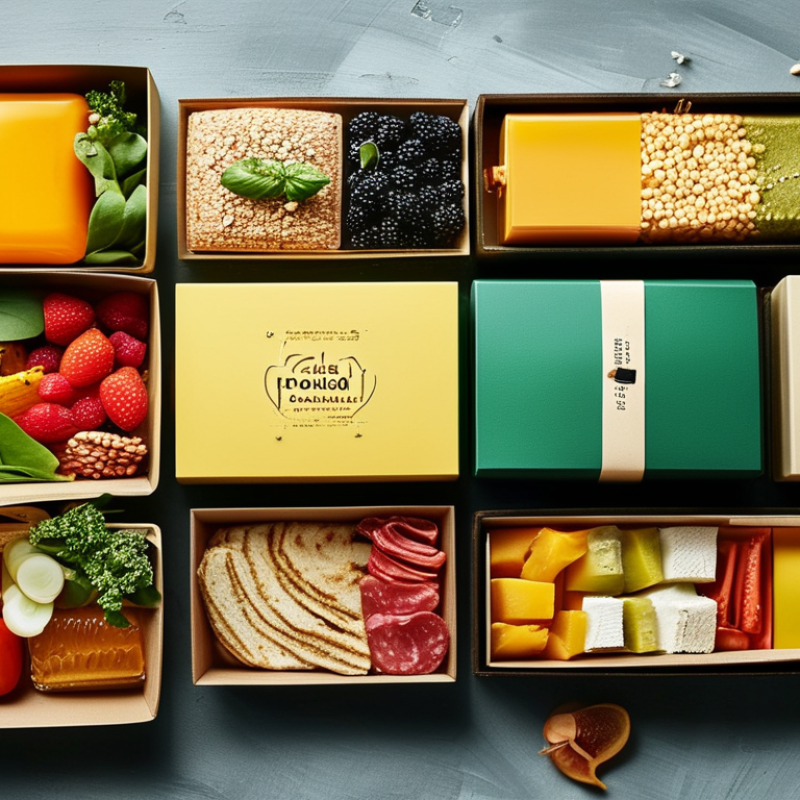
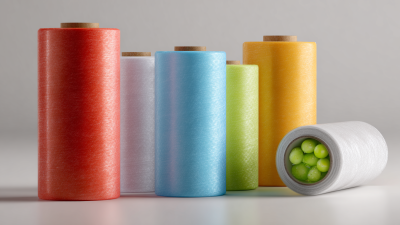
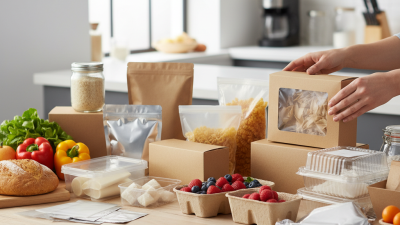
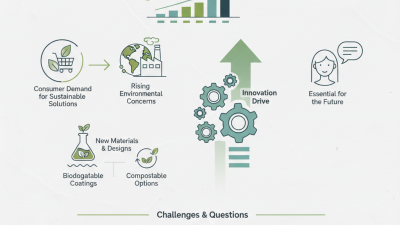
In 2023, innovative packaging materials are transforming food design. Brands are increasingly looking for sustainable options that resonate with environmentally conscious consumers. Compostable films and biodegradable containers are gaining traction. These materials reduce waste and are effective in preserving product freshness. The shift reflects a commitment to sustainability while enhancing brand image.
Experimenting with textures also plays a key role in food packaging. Textured surfaces can create a tactile experience, making products more appealing on the shelf. Brands are exploring methods that combine visual appeal with practical functionality. Utilizing unique materials such as recycled paper or plant-based plastics can make your packaging stand out.
Tips to consider: Always test your packaging for durability. Weak packaging can compromise product quality. Ensure your design is user-friendly. Consumers appreciate easy-open features and resealable designs. Don't overlook the importance of clear labeling. Transparent information builds trust and helps strengthen your brand’s reliability. Finding the right balance between creativity and functionality is essential for success.
Color psychology plays a crucial role in food packaging design. It influences consumer perceptions and choices. Different colors evoke various emotions and associations. For instance, red can stimulate appetite, while blue often suppresses it. Choosing the right colors can enhance brand recognition and recall.
When designing your packaging, consider the psychological effects of colors. Use warm colors to attract attention and create excitement. Bold combinations can inspire curiosity and encourage purchases. Soft colors can convey health and freshness. Make sure your color scheme aligns with your brand identity and target audience.
**Tip:** Test color palettes with focus groups. Gather feedback on emotional responses. Adjust based on their input to refine your designs.
The visual appeal of food packaging is important, but the emotional connection is vital too. Consumers often make decisions based on the feelings colors evoke. Don't underestimate the power of subtle hues versus bold contrasts. Each choice communicates something about your brand and product quality.
**Tip:** Keep your design simple and clear. Complexity can confuse customers. Aim for clarity to enhance brand trust and attraction.
Sustainable packaging is more than a trend; it’s a necessity. In recent years, studies show that 73% of consumers are willing to pay more for eco-friendly packaging. This statistic reflects a significant shift in consumer behavior, signaling that brands must adapt to maintain relevance.
Using eco-friendly materials can enhance brand perception and customer loyalty. According to a report by McKinsey, brands that adopt sustainable practices can increase their sales by up to 20%. This increase comes from attracting environmentally conscious customers who favor brands with strong sustainability commitments. Yet, not all brands execute this shift effectively. Some still use cheap, non-biodegradable options, risking backlash from consumers.
Moreover, designing sustainable packaging isn’t just about materials. It must also consider the end-user experience. Clever design can minimize waste and enhance functionality. However, achieving this balance is challenging. Many brands struggle with sourcing truly sustainable materials while maintaining attractive designs. The market demands innovative solutions, but sometimes these efforts fall short. Brands must reflect on their strategies and genuinely commit to sustainability, or they might find themselves left behind in a rapidly evolving market.
| Design Idea | Material Type | Sustainability Rating | Impact on Sales (%) |
|---|---|---|---|
| Biodegradable Pouches | PLA (Polylactic Acid) | ★★★★☆ | 15% |
| Recyclable Glass Jars | Glass | ★★★★★ | 25% |
| Compostable Paper Boxes | Kraft Paper | ★★★★☆ | 20% |
| Bamboo Containers | Bamboo | ★★★★★ | 30% |
| Plant-Based Films | Starch-based Plastics | ★★★★☆ | 18% |
| Recycled Paper Labels | Recycled Paper | ★★★★☆ | 12% |
| Edible Packaging | Seaweed | ★★★★★ | 35% |
| Reusable Fabric Bags | Cotton or Jute | ★★★★☆ | 22% |
| Mushroom Packaging | Mycelium | ★★★★★ | 28% |
| Composite Food Containers | Recycled Materials | ★★★★☆ | 23% |
Interactive packaging has emerged as a creative way to engage customers. By integrating technology, brands can create memorable experiences. For example, QR codes on food packaging can lead to recipes or product information. This not only informs but also invites customers to interact with the brand.
Design plays a crucial role in this engagement. Visual elements that pop can draw attention. Imagine a package that speaks when opened, sharing a story about the product inside. Such innovations make the packaging more than just a container. It becomes part of the brand narrative.
However, some brands struggle to balance creativity and functionality. Overly complex designs may confuse rather than engage. Simple, clear messaging is vital. Effective interactive packaging should enhance the user experience, not detract from it. Brands must constantly reflect on their approach and adapt to consumer feedback.
In the competitive food industry, unique packaging strategies are crucial. A recent study highlighted that 72% of consumers identify products by their packaging alone. Brands that successfully leverage innovative designs often stand out on crowded shelves. For instance, eco-friendly materials can convey sustainability. This resonates with 60% of consumers who prefer ethical brands.
Tips: Consider your target audience's preferences. Use colors and designs that reflect your brand's identity. For example, minimalist designs can appeal to modern consumers, while vibrant colors attract younger demographics.
Reflecting on packaging failures, some brands overlooked consumer feedback. Packaging that didn’t protect the product led to complaints. This reveals the need for practical design. Balancing aesthetics with usability is essential. Ensuring that your packaging can protect the contents while showcasing your brand's personality is vital for success. Focus groups can provide valuable insights during the design process.