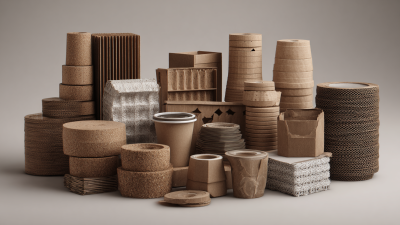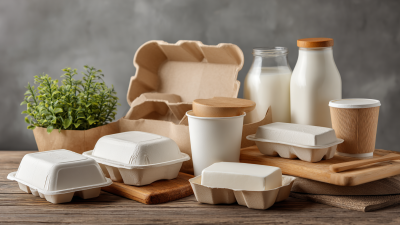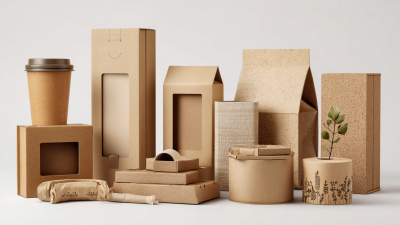
As we move closer to 2025, the landscape of food packaging materials continues to evolve rapidly, driven by changing consumer preferences and sustainability goals. The global food packaging market is projected to reach an estimated value of $500 billion by 2025, according to recent industry reports, highlighting the critical role that food packaging materials play in both preserving product quality and reducing environmental impact. With consumers increasingly favoring eco-friendly options, the demand for biodegradable, compostable, and recyclable materials is on the rise, prompting manufacturers to innovate and adapt their packaging solutions.
Recent studies indicate that over 50% of consumers are willing to pay a premium for sustainable packaging, which is pushing the industry towards the adoption of new materials that minimize waste. Innovations such as plant-based plastics, active packaging technologies, and smart packaging solutions are gaining traction as brands strive to meet the dual challenges of product integrity and environmental responsibility. Additionally, regulatory pressures are driving the adoption of safer and more sustainable food packaging materials, further shaping the future of this critical industry segment. As we explore the key trends to watch in 2025, it is essential to recognize the profound impact these developments will have not only on food packaging materials but also on the broader context of global food supply chains and consumer health.
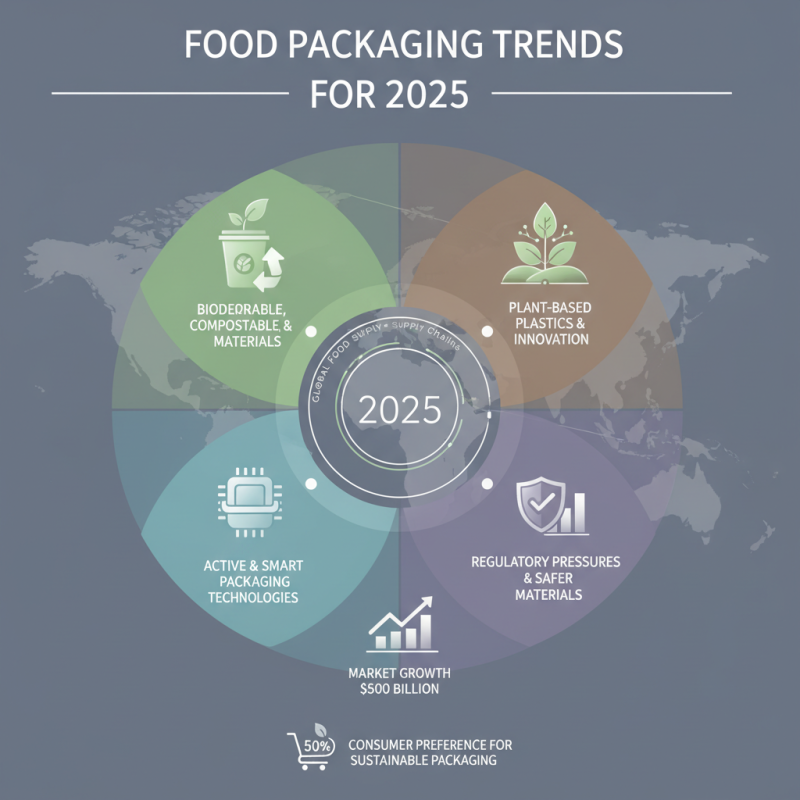
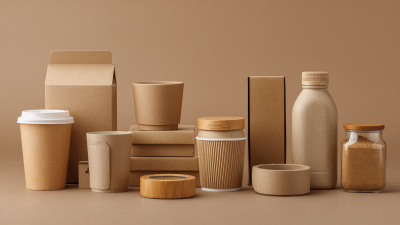
The food packaging industry is poised for significant innovation in 2025, driven by the increasing demand for sustainable alternatives to traditional materials. Emerging biodegradable materials, such as plant-based films and compostable bioplastics, are set to take center stage. These materials not only reduce environmental impact but also meet consumer demand for eco-friendly packaging solutions. Research and development in this area are focusing on creating biodegradable options that maintain food safety and shelf-life, ensuring that sustainability does not compromise efficacy.
In addition to traditional bioplastics derived from corn or sugarcane, new innovations are exploring the use of organic waste materials, such as agricultural by-products and even seafood waste, to create biodegradable packaging. These advancements are not only environmentally beneficial but also support a circular economy by utilizing waste that would otherwise contribute to landfill. As regulatory pressures mount and consumers increasingly consider environmental impacts, the food packaging sector is likely to embrace these emerging biodegradable materials as a standard practice by 2025, paving the way for a greener future in food distribution.
| Material Type | Properties | Environmental Impact | Potential Applications | Market Growth Rate (2025) |
|---|---|---|---|---|
| PLA (Polylactic Acid) | Biodegradable, food-safe, and compostable | Low carbon footprint, fully compostable in commercial facilities | Containers, cutlery, and films | 25% CAGR |
| Mushroom Packaging | Natural, lightweight, and insulating | Completely biodegradable and renewable | Protective packaging for food products | 20% CAGR |
| Seaweed-Based Films | Flexible, edible, and water-soluble | Marine-friendly and compostable | Wrapping for perishable items | 30% CAGR |
| Bagasse | Strong, durable, and biodegradable | Utilizes waste from sugarcane, reduces landfill waste | Plates, bowls, and food containers | 15% CAGR |
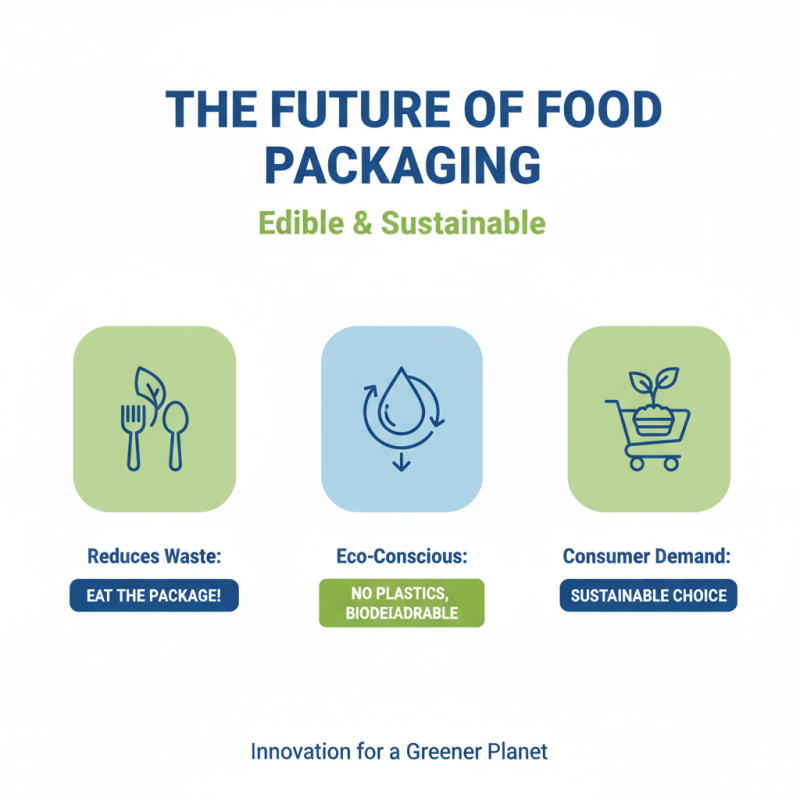
The future of food packaging is being shaped by innovative solutions that prioritize sustainability, particularly through the development of edible packaging. Edible packaging not only serves the functional purpose of preserving food but also significantly reduces waste generated by traditional packaging materials. As consumers become increasingly eco-conscious, the shift towards packaging that can be consumed rather than disposed of is gaining momentum. This trend addresses environmental concerns by minimizing the reliance on plastics and other non-biodegradable materials.
Recent advancements in edible packaging include the use of natural ingredients such as seaweed, rice, and starch. These materials offer innovative alternatives that can protect food from spoilage while being safe for human consumption. The potential for these biodegradable solutions to break down naturally in the environment further enhances their appeal. Companies are exploring various applications, from wrapping fresh produce to creating edible coatings for snacks, thereby extending shelf life and enhancing flavor profiles. As research continues to evolve, the food industry is poised to embrace these novel packaging solutions that align with the global push towards a more sustainable future.
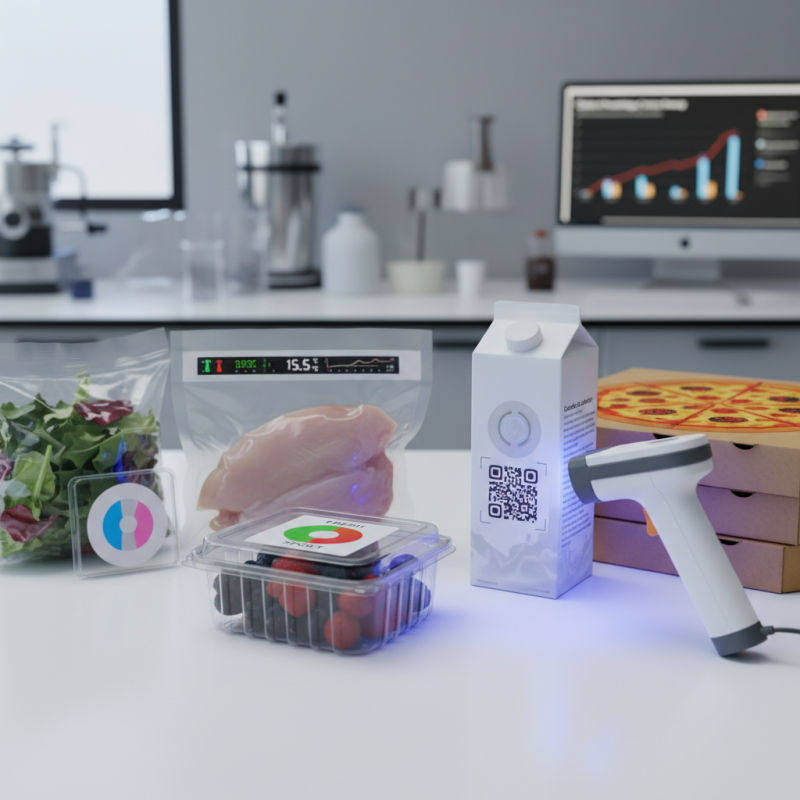
Smart packaging technologies are rapidly transforming the food packaging industry, particularly in the realm of freshness monitoring. According to a report by MarketsandMarkets, the global smart packaging market is projected to reach $39.7 billion by 2025, with a significant portion attributed to innovations that enhance food safety and quality. These technologies extend beyond traditional packaging by integrating sensors and indicators that monitor various conditions such as temperature, humidity, and atmospheric composition, ensuring that food products remain fresh and safe for consumption throughout their supply chain journey.
One of the key innovations in smart packaging is the use of time-temperature indicators (TTIs) and freshness indicators. These tools provide real-time data on the product's condition, allowing companies to take proactive measures if products begin to spoil or are exposed to unfavorable conditions. Research indicates that over 30% of perishable food products are wasted due to inadequate monitoring during transport and storage. By implementing smart packaging solutions, the food industry can potentially reduce this waste significantly, thereby improving profitability and sustainability. Furthermore, the use of blockchain technology in conjunction with smart packaging ensures traceability, enabling consumers to track the history of their food products and make informed choices based on freshness and safety indicators.
The food packaging industry is undergoing a significant transformation as sustainability becomes a central focus. One of the most notable trends is the increasing use of recycled and upcycled materials. According to a recent report by Smithers, the global market for sustainable packaging is expected to reach $500 billion by 2025, with recycled paper and plastic materials leading in demand. This shift not only reduces waste but also lowers carbon footprints, aligning with consumer preferences for environmentally friendly solutions.
Manufacturers are exploring innovative ways to incorporate recycled materials into their packaging designs, providing a circular economy approach to production. For instance, the use of post-consumer recycled (PCR) plastics is becoming more commonplace, with forecasts indicating that over 30% of plastic packaging will be made from recycled sources by 2025. Upcycling—transforming waste materials into higher-value products—also presents a creative avenue for brands to enhance their sustainability profiles while appealing to eco-conscious consumers.
Tips:
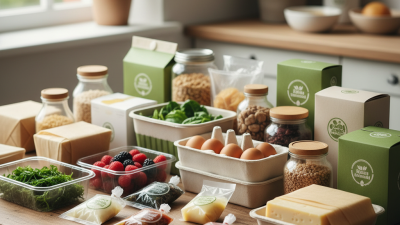
As we move toward 2025, consumer preferences are significantly reshaping the landscape of food packaging solutions. With a heightened awareness of sustainability, many consumers are seeking eco-friendly packaging options. Reports indicate that nearly 75% of consumers are willing to pay more for products with sustainable packaging, highlighting a pivotal shift in purchasing behavior. This trend is driving manufacturers to innovate with biodegradable materials, reusable containers, and recyclable designs that not only cater to environmental concerns but also enhance the overall product experience.
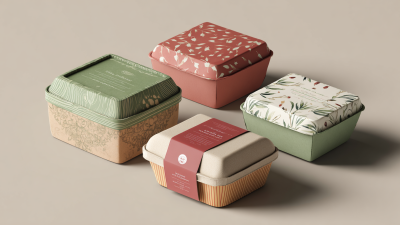
Moreover, aesthetic appeal and convenience are becoming increasingly important in food packaging. Research indicates that 65% of consumers are influenced by visual packaging elements when making purchasing decisions. Therefore, brands are focusing on eye-catching graphics and easy-to-open designs, which resonate with consumers and encourage brand loyalty. To meet these evolving preferences, food producers must stay informed about the latest packaging technologies and consumer trends.
Tips: Consider conducting regular surveys to gather insights on consumer preferences. Additionally, staying updated on emerging materials can aid in developing forward-thinking packaging strategies. Engaging with consumers through social media can also provide valuable feedback and foster a more responsive approach to packaging development.