Food packaging printing plays a crucial role in the food industry, influencing not only the product's marketability but also its safety and compliance with regulations. As packaging serves as the first point of contact between consumers and products, the design and quality of food packaging are essential in conveying information, maintaining freshness, and ensuring protection. According to Dr. Jane Thompson, a leading expert in food packaging technology, "Effective food packaging printing not only enhances the aesthetic appeal of the product but also communicates essential information that can impact consumer choices."
In today's competitive market, brands must leverage food packaging printing to stand out. The visual elements and printed information on packaging can significantly influence consumer perceptions and behavior. Furthermore, advancements in printing technology have allowed for innovative packaging solutions that prioritize sustainability without compromising quality. With increasing consumer awareness of environmental issues, the food industry must adapt its packaging strategies, making food packaging printing an integral focus for future developments.
As we delve deeper into the importance of food packaging printing, we will explore its various functions—from safety and branding to sustainability—highlighting how it shapes the way food products are perceived and preferred in the marketplace.
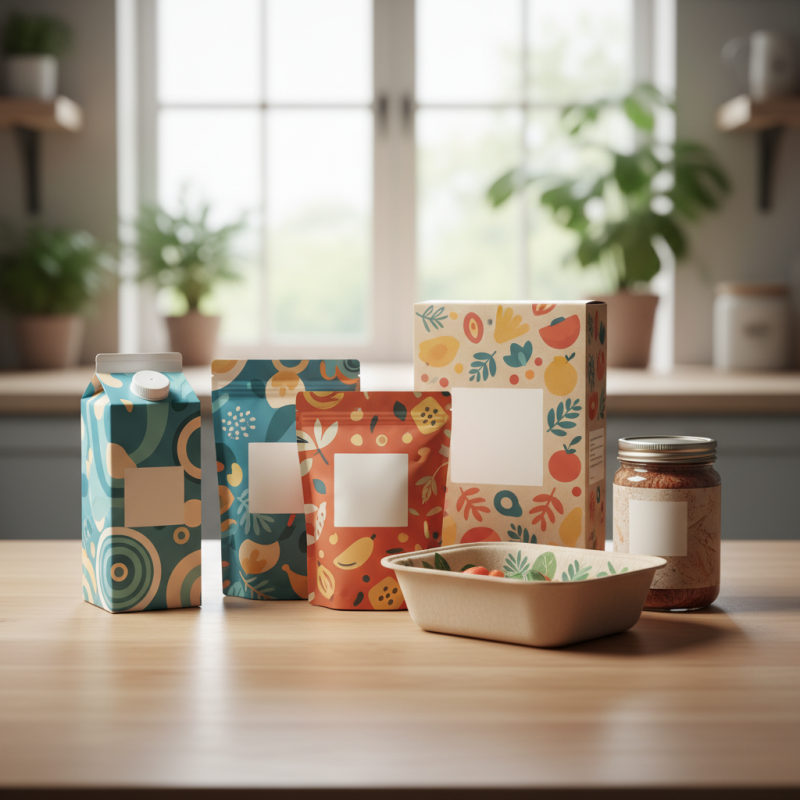
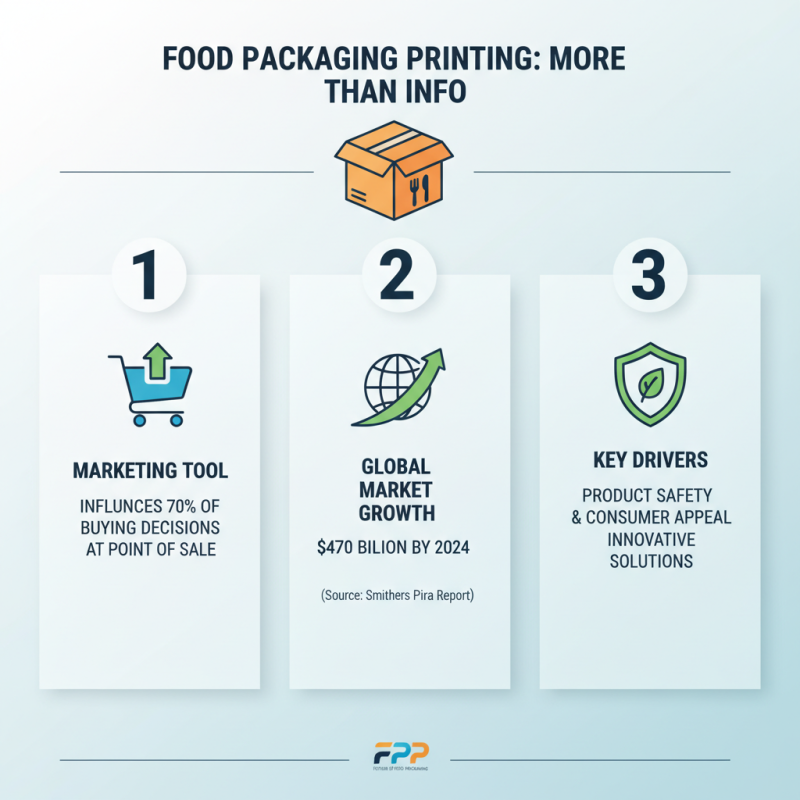
Food packaging printing plays a crucial role in the food industry, serving not only as a means to provide information about the product but also as a vital marketing tool. According to a report by Smithers Pira, the global market for food packaging printing is expected to reach $470 billion by 2024, primarily driven by the increasing demand for innovative packaging solutions that enhance product safety and appeal. Effective packaging can directly influence consumer buying decisions, with studies indicating that nearly 70% of purchasing decisions are made at the point of sale, emphasizing the importance of eye-catching designs and clear labeling.
When it comes to printing methods, techniques such as flexography and digital printing are becoming increasingly popular due to their efficiency and adaptability. Flexographic printing, for instance, allows for high-speed production of large runs, making it ideal for mass-produced items. Additionally, with the growth of eco-conscious consumers, sustainable packaging options are leading the market shift, with a noted 32% of consumers willing to pay more for products with environmentally friendly packaging. This trend highlights the importance of combining innovative printing techniques with sustainable practices.
Tips: Consider using vibrant colors and bold typography to make your packaging stand out on the shelf. Additionally, incorporating QR codes can enhance customer engagement by directing them to more detailed product information, promotions, or your brand story. Lastly, always ensure that your label complies with local food labeling regulations to build trust and transparency with your consumers.
Food packaging printing plays a crucial role in the food industry by not only enhancing product visibility but also ensuring safety and compliance with regulatory standards. Key techniques in food packaging printing include digital printing, flexographic printing, and gravure printing. According to a report from Smithers Pira, the global market for food packaging printing is expected to grow significantly, reaching $400 billion by 2028. Digital printing, in particular, is gaining traction due to its flexibility and ability to produce high-quality graphics with lower set-up costs, making it ideal for short runs and custom designs.
Flexographic printing remains one of the most widely used techniques in food packaging due to its speed and efficiency. This method is recognized for its ability to print on various substrates, including plastic, paper, and foil, making it versatile for different types of food products. A 2022 study by ResearchAndMarkets found that flexographic printing captured approximately 45% of the total food packaging printing market, underscoring its prevalence in the industry. On the other hand, gravure printing is preferred for high-volume production runs, offering exceptional print quality and sharp images, which are essential for appealing food packaging. These techniques collectively contribute to the durability, attractiveness, and functionality of food packaging, ultimately supporting the industry's growth and consumer satisfaction.
Design and branding play a crucial role in food packaging printing, as they directly influence consumer perception and purchasing decisions. According to a market report by Smithers Pira, the global food packaging market is expected to reach $469 billion by 2024, highlighting the immense importance of effective packaging design in capturing consumer attention.
With the ever-increasing competition within the food industry, a well-thought-out packaging design serves as a vital communication tool that not only conveys brand identity but also reflects product quality and safety.
The aesthetic elements of packaging, such as color, typography, and graphics, significantly impact consumer behavior. A study by the Packaging Association indicates that about 70% of purchasing decisions are made at the point of sale, where visually appealing designs can make a critical difference. Moreover, branding through packaging helps establish an emotional connection with consumers, fostering brand loyalty. Research has shown that consistent packaging design can lead to a 20% increase in sales, proving that effective branding strategies in food packaging are essential for driving market success.
Regulatory standards play a crucial role in ensuring the safety and integrity of food packaging. Governments and regulatory bodies establish guidelines that dictate the materials and processes used in food packaging to minimize any risk to consumers. These standards include specifications for the chemical composition of packaging materials, limits on contaminants, and clarity on labeling practices. Compliance with these regulations not only secures public health but also promotes trust in food products within the market.
In addition to safety, regulatory compliance enhances the transparency of food packaging, providing consumers with essential information about ingredients, nutritional content, and storage conditions. Proper labeling is vital in informing consumers and allowing them to make informed choices about the products they consume. Moreover, adherence to these standards helps producers avoid legal repercussions, ensuring that their products can compete effectively in the marketplace. By prioritizing regulatory standards, the food industry can better protect public health while fostering accountability and sustainability in food packaging practices.
Food packaging printing plays a pivotal role in influencing consumer behavior by serving as a critical touchpoint between the product and the buyer. The aesthetics of packaging, including its color, graphics, and overall design, can significantly impact the perception of the food inside. Effective packaging not only captures attention on crowded shelves but also communicates essential information about the product. From nutritional details to ingredient transparency, well-printed packaging makes it easier for consumers to make informed choices, thus elevating the purchasing experience.
Moreover, food packaging printing can evoke emotional responses, driving consumer loyalty and preference. Consumers often associate visually appealing packaging with higher quality and premium products. This psychological effect can lead to increased sales, as shoppers are more likely to choose products that stand out due to their attractive packaging. Additionally, sustainable printing methods and eco-friendly materials resonate with environmentally conscious consumers, further influencing their purchasing decisions. By aligning packaging design with consumer values and preferences, food brands can foster stronger connections and encourage repeat purchases.