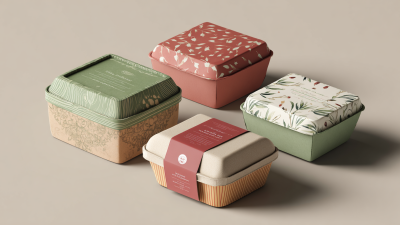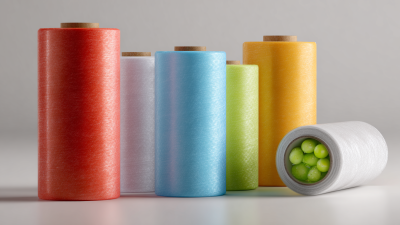
The food packaging industry is at a pivotal moment. As consumer preferences shift, companies must adapt to new demands. Sustainability is no longer optional; it’s essential. Many brands are exploring eco-friendly materials. Innovations, such as biodegradable packaging, are gaining traction. Yet, challenges remain. Not all sustainable options are feasible or affordable for small businesses.
Moreover, safety concerns are paramount. Packaging must protect food while using minimal resources. Striking this balance is complex. Regulations often complicate progress. The rise of online grocery shopping adds pressure for effective packaging solutions. How can businesses ensure food stays fresh during transport?
The future is uncertain. Companies must invest in research and development. They should consider new technologies, like smart packaging, that can enhance consumer experience. Engaging with customers about their values is crucial. The food packaging industry is evolving, and those who ignore this change may struggle to survive. Reflection and innovation will be key in navigating the future landscape.
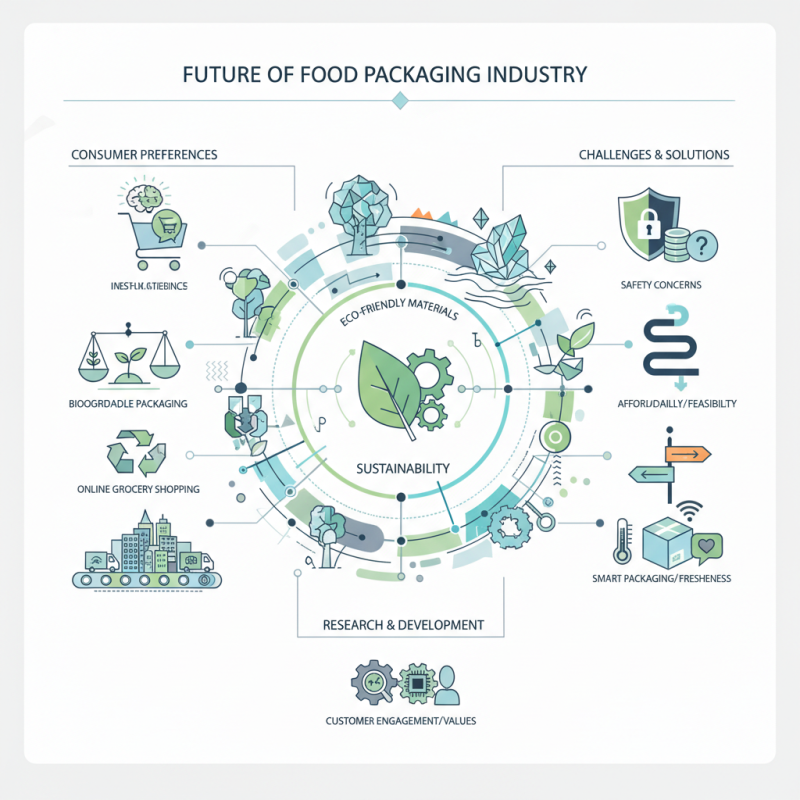
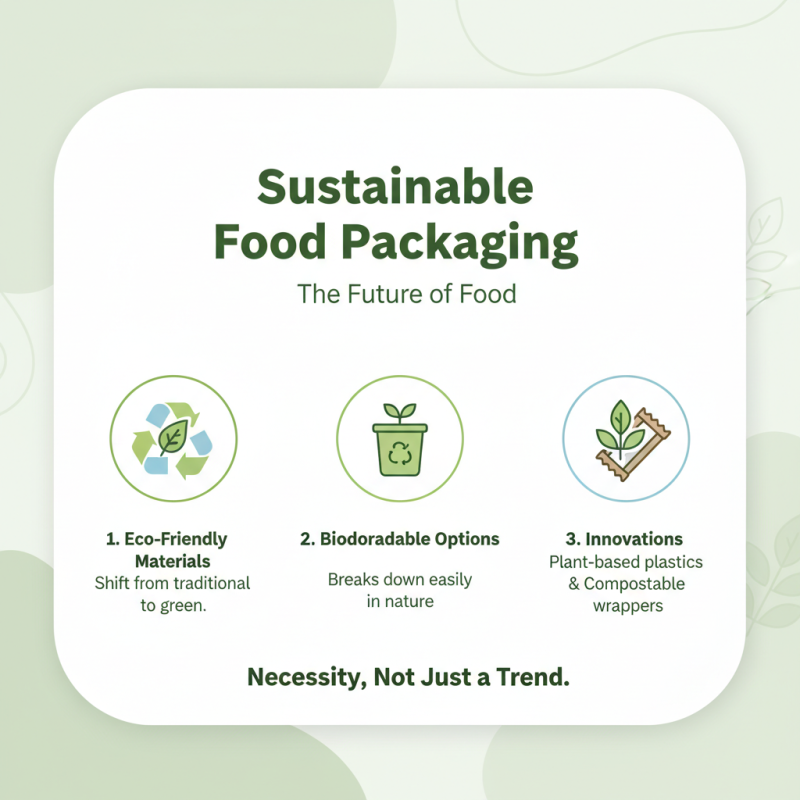
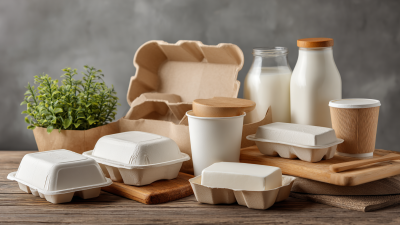
Sustainable food packaging is gaining traction. The industry is shifting toward eco-friendly materials. Companies are now exploring biodegradable options. These materials break down more easily in nature. Innovations include plant-based plastics and compostable wrappers. They are not just trends; they are necessities.
Consumer demand drives these changes. People are becoming more environmentally conscious. They want to reduce waste and pollution. However, some challenges remain. Not all sustainable options are suitable for every product. Cost is a major factor. Cheaper materials often prevail, despite their environmental impact.
Additionally, the recycling infrastructure struggles to keep pace. Many regions lack proper systems to handle new materials. This creates confusion for consumers. They may not know how to dispose of these products. Education is crucial in this transition. More awareness is needed about sustainable practices. It’s a complex situation that requires ongoing discussion and improvement.
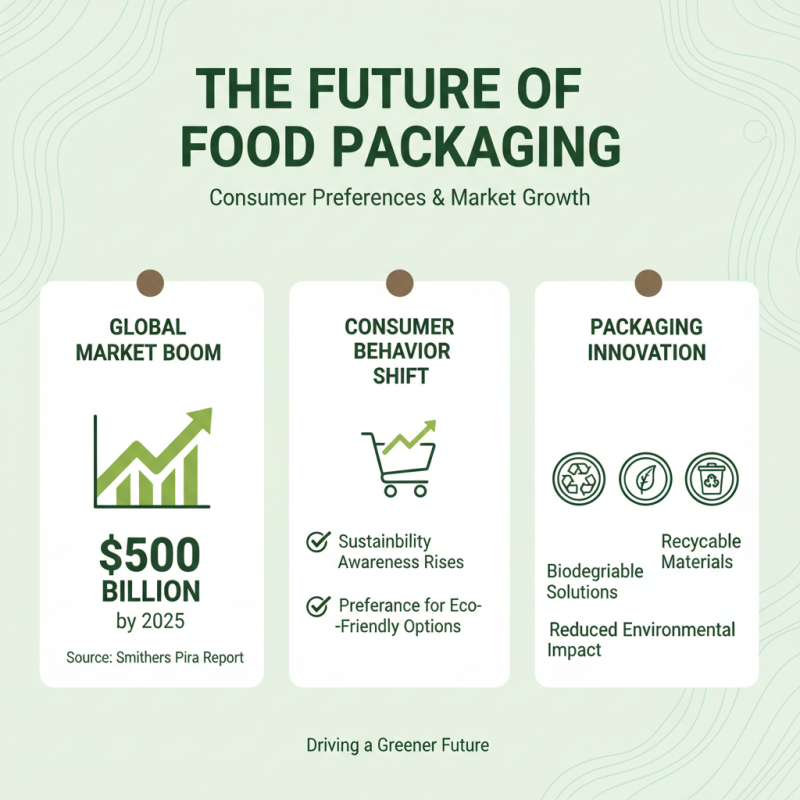
Consumer behavior is shifting, and it's reshaping food packaging preferences. A recent report by Smithers Pira suggests the global food packaging market will reach $500 billion by 2025. This surge is largely due to rising consumer awareness of sustainability. Many consumers now prefer packaging made from recyclable or biodegradable materials.
Another study indicates that 74% of consumers consider packaging sustainability when purchasing food. They want clear labeling that outlines recyclability and material sources. However, not all brands meet these demands effectively. Some still use excessive packaging that contradicts sustainability goals. This disconnection leads to frustration among eco-conscious consumers.
Additionally, convenience remains paramount. Nearly 65% of shoppers opt for packaging that enhances usability. Easy-open seals and resealable options are increasingly favored. Yet, companies often overlook these practical needs. They may prioritize aesthetics over functionality, leading to subpar user experiences. Addressing these packaging issues is essential for the industry's future.
The food packaging industry is undergoing a significant transformation driven by technological innovations. According to a recent report by Smithers Pira, the global food packaging market is projected to reach $500 billion by 2025. This growth is largely fueled by advancements in materials and technology. For instance, smart packaging solutions are gaining traction, which can monitor freshness and reduce food waste.
One notable innovation is the use of biodegradable materials. These, derived from plant sources, respond to consumer demand for sustainability. Reports indicate that the biodegradable packaging segment could grow at a CAGR of 14% between now and 2027. However, questions remain regarding the compostability of some of these materials, raising concerns over their real environmental impact.
Another focus area is the integration of digital technologies. Packaging with QR codes or NFC tags allows consumers to access product information instantly. Yet, this raises issues related to data privacy and security. While these innovations promise convenience, they also bring challenges that require careful consideration. The future of food packaging is exciting but complex.
| Innovation | Description | Impact on Industry | Expected Adoption Year |
|---|---|---|---|
| Biodegradable Plastics | Plastics that decompose naturally in the environment | Reduces waste and environmental impact | 2025 |
| Smart Packaging | Packaging with integrated technology for tracking and freshness | Enhances consumer experience and reduces spoilage | 2023 |
| Recyclable Materials | Using materials that can be processed and reused | Promotes sustainability and reduces landfill waste | 2024 |
| Nanotechnology | Use of nanoscale materials to enhance packaging properties | Improves barrier properties and shelf life | 2026 |
| Edible Packaging | Packaging made from food-grade materials that can be consumed | Reduces waste and adds value to products | 2027 |
The food packaging industry is undergoing significant changes due to regulatory shifts. New regulations focus on safety and sustainability. Packaging materials must meet these standards to ensure consumer protection. As laws evolve, manufacturers must adapt. Compliance can be challenging, but it is crucial for success.
For businesses, staying informed is vital. Monitor local and international regulations regularly. Develop relationships with regulatory bodies for insights. Building a compliant culture within the organization fosters innovation and trust.
Tips: Use eco-friendly materials whenever possible. They often meet regulatory requirements and attract eco-conscious customers. Remember, non-compliance can lead to penalties, so stay proactive. Engage with stakeholders for feedback on materials. Continuous improvement is necessary in this dynamic industry.
The global food packaging sector is experiencing rapid growth. Recent estimates suggest it will exceed $500 billion by 2025. This significant increase is driven by rising consumer demand for convenience and sustainability. With more people eating on-the-go, packaging plays a crucial role in product appeal.
Sustainable materials are gaining traction. A 2022 report highlighted that eco-friendly packaging could capture up to 55% of the market share in the next few years. However, challenges remain. Not all companies are prepared for these changes. The transition to biodegradable or recyclable materials requires investment and innovation. Many packaging solutions still rely on traditional plastics.
The impact of regulations is also noticeable. New laws aimed at reducing plastic waste are reshaping the industry. Companies that adapt will likely flourish. But there are risks if they fail to comply. The future of food packaging hinges on the balance between convenience, compliance, and sustainable practices.