What is the Future of the Packaging Industry?

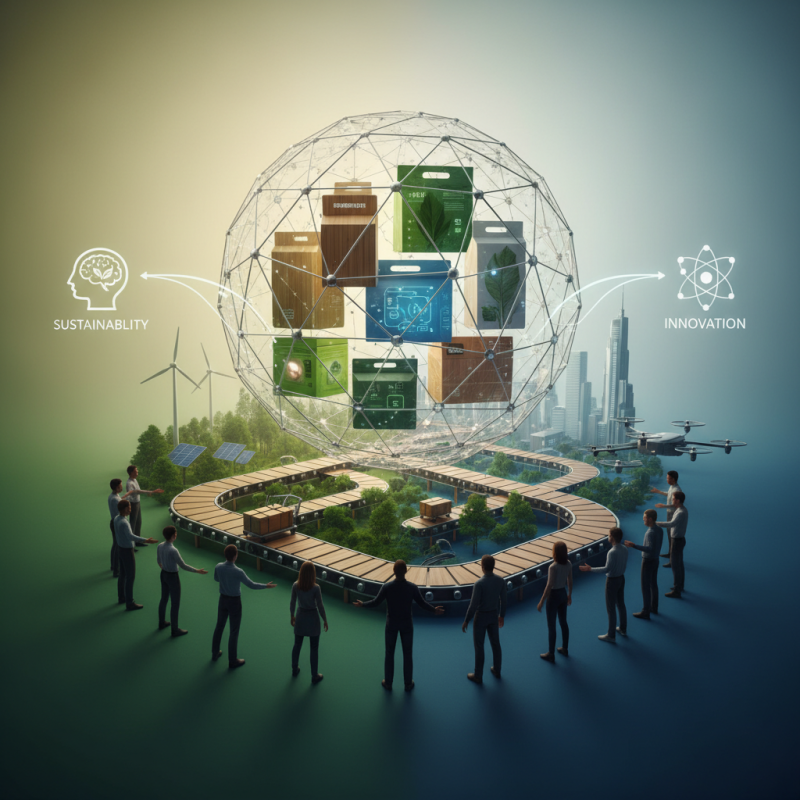
The future of the packaging industry is a topic of great importance. Experts like Dr. Emily Chen highlight this by stating, "Sustainability and innovation will drive the packaging industry's evolution." As consumers become more environmentally conscious, brands face pressure to adapt.

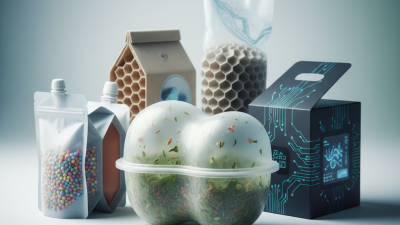
New technologies, such as biodegradable materials and smart packaging, are emerging. These advancements are reshaping how products are packaged and delivered. Innovative designs can enhance user experience. Yet, the transition is not without challenges. Traditional methods often clash with new practices.

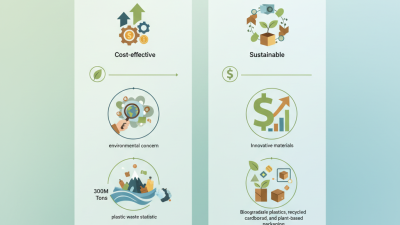
Moreover, cost implications can hinder progress. Companies may struggle to balance sustainability with affordability. The packaging industry must navigate this complex landscape. Addressing these concerns requires collaboration among stakeholders. As we look ahead, the need for thoughtful solutions becomes clear.
What is the Future of the Packaging Industry?

Current Trends Shaping the Packaging Industry Landscape

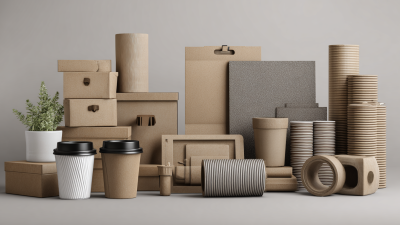
The packaging industry is undergoing significant transformations. Currently, sustainability is at the forefront of innovation. According to recent studies, 74% of consumers prefer sustainable packaging. This shift pushes companies to rethink their materials and methods. Biodegradable and compostable materials are no longer niche. They are becoming mainstream. More packaging companies are investing in eco-friendly solutions.

Digitalization also shapes the packaging landscape. Smart packaging solutions are on the rise. They offer enhanced tracking and improved supply chain visibility. Reports indicate that the smart packaging market could reach $50 billion by 2024. However, not all advancements are without challenges. Implementing new technologies can be costly. Many small and medium enterprises struggle with the investment.

Consumers are also demanding transparency. They want to know what materials are used and how they impact the environment. Studies show that 66% of consumers are willing to switch brands for sustainable options. However, companies often fall short of delivering this transparency. The challenge lies in balancing cost, innovation, and consumer expectations. As these trends continue, the industry must adapt or risk falling behind.
Trends in the Packaging Industry (2023)

Impact of Sustainability on Packaging Design and Materials

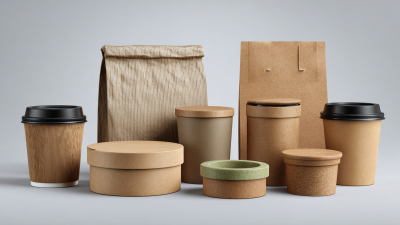
The packaging industry is undergoing significant changes. Sustainability has become a crucial factor. Consumers are increasingly aware of environmental issues. They demand eco-friendly materials and designs. This shift is pushing brands to rethink their packaging strategies. Recyclable and biodegradable materials are gaining popularity. However, not all companies can adapt quickly.

Some still rely on traditional materials, creating waste. For instance, plastics are convenient but harmful to the environment. Choices made today will resonate in the future. Innovative alternatives are being developed. Mushroom-based packaging and seaweed materials show promise. Yet, challenges remain with scaling production. Will these solutions meet demands?

Design also plays a key role in sustainability. Minimalist designs reduce waste and improve efficiency. Packaging that is easier to open and dispose of can lead to better recycling rates. However, not every design is practical. Companies must balance aesthetics and functionality. The evolution of the packaging industry is complex. Finding a sustainable path is critical but not straightforward.

Technological Innovations Transforming Packaging Solutions

The packaging industry is on the brink of a technological transformation. New materials are emerging every day. These innovations promise not only efficiency but also sustainability. For instance, biodegradable plastics are making waves. They break down naturally, reducing landfill waste. However, the transition is not easy. Many companies struggle to adopt these new materials. This often leads to confusion in the manufacturing processes.

Automation is another crucial aspect of this transformation. Smart packaging solutions utilize sensors and RFID technology. These allow brands to track their products in real-time. But the integration of such technologies comes with challenges. Data security concerns are at the forefront. Implementing these systems demands significant investment. Not every company can afford the upfront costs, creating a divide in the industry.

The rise of e-commerce further complicates things. Packaging must now cater to direct-to-consumer models. This requires innovative designs that protect products during transit. Yet, some designs still fail to meet user expectations. Inefficient packaging can lead to damage and increased returns. The industry continues to evolve, but gaps remain. Workers must adapt to these changes while ensuring quality and safety.

What is the Future of the Packaging Industry? - Technological Innovations Transforming Packaging Solutions
Innovation Type Description Potential Impact Adoption Rate (%)
Smart Packaging Packaging that uses sensors and indicators to provide information about the product status. Enhanced consumer engagement and improved product safety. 40
Biodegradable Materials Packaging made from materials that decompose naturally, reducing environmental impact. Significant reduction in plastic waste and a move towards sustainability. 25
Automated Packaging Solutions Use of robotics and AI to enhance packaging efficiency and reduce labor costs. Increased production speed and reduced operational costs. 55
Augmented Reality Packaging Integration of AR technologies for interactive consumer experiences. Improved customer engagement and increased brand loyalty. 15
Blockchain in Packaging Use of blockchain for traceability and transparency of supply chains in packaging. Enhanced traceability and reduced fraud in the supply chain. 30

Consumer Preferences and Their Role in Packaging Evolution

The future of the packaging industry is closely tied to consumer preferences. Today's shoppers are more eco-conscious than ever. They demand sustainable materials and responsible practices. A recent study shows that 74% of consumers are willing to pay more for eco-friendly packaging. This shift is prompting companies to rethink their packaging strategies.

As brands adapt, they face challenges. Balancing sustainability with cost can be tricky. For instance, biodegradable materials often come at a premium. Consumers expect not only environmental benefits but also functionality. Packaging must protect products while being easy to open. Companies that neglect this may lose customer loyalty.

Tip: Integrate customer feedback into your packaging designs. Use surveys to understand what matters to your audience. Staying attuned to consumer preferences can create competitive advantages.

Stylish, minimalistic designs are trending. Many consumers prefer simplicity over complexity. Packaging that looks good on social media gets shared. However, brands must ensure that aesthetics do not compromise usability or sustainability. Reflecting on these aspects is vital for future success.

Tip: Regularly assess your packaging for functionality and appeal. Engage consumers in the design process to capture their needs. Their insights can steer your brand toward growth.

Regulatory Challenges and Opportunities for the Future of Packaging

What is the Future of the Packaging Industry?

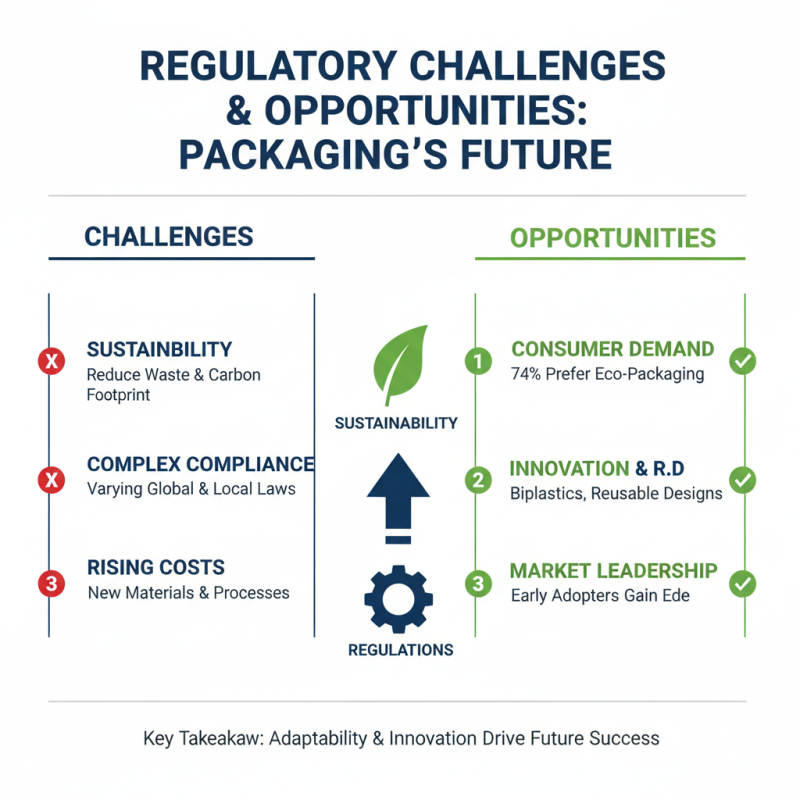
The packaging industry faces a myriad of regulatory challenges and opportunities. Policymakers are prioritizing sustainability. According to a recent study, 74% of consumers prefer eco-friendly packaging. This shift drives companies to innovate. However, compliance with regulations can be burdensome. Many businesses struggle to keep up with changing laws.

Countries worldwide are implementing stricter regulations on plastic use. The European Union has set ambitious targets to reduce plastic waste by 55% by 2030. This goal pressures companies to find alternatives. Innovative materials, like biodegradable plastics, are gaining traction. Yet, the production costs can be high. Not every company can afford the changes.

The transition to sustainable packaging is not straightforward. Some companies face backlash over misleading claims. Transparency is crucial in this evolving landscape. A report suggests that 63% of consumers want clear labeling on packaging materials. Brands that fail to communicate effectively may lose customer trust. The future of packaging holds potential, but challenges remain.