
Why Industrial Vision Inspection is Essential at the 2026 Canton Fair?

As the 2026 Canton Fair approaches, the significance of Industrial Vision Inspection cannot be overstated. This year’s exhibition will showcase advanced manufacturing and electronics, highlighting the need for precision and quality in these sectors. John Smith, an expert in Industrial Vision Inspection, remarked, "The future of product quality lies in automation and vision technology." His observations ring true as industries strive for higher standards.

The fair will feature AI-driven solutions that enhance the procurement process. With over 1.55 million square meters of exhibit space, effective navigation is crucial. Industrial Vision Inspection technologies can streamline quality checks, ensuring products meet required certifications like ISO and CE. It is about automating processes for efficiency. However, some challenges remain. Misalignment might occur without proper calibration.

The introduction of smart search functions aims to facilitate better supplier selection. Yet, it's essential to remember that technology should complement human oversight. Poor implementation of vision inspection systems can lead to errors. Reflecting on these points, the necessity for Industrial Vision Inspection is evident. It shapes the future of manufacturing and guarantees the quality that buyers demand.
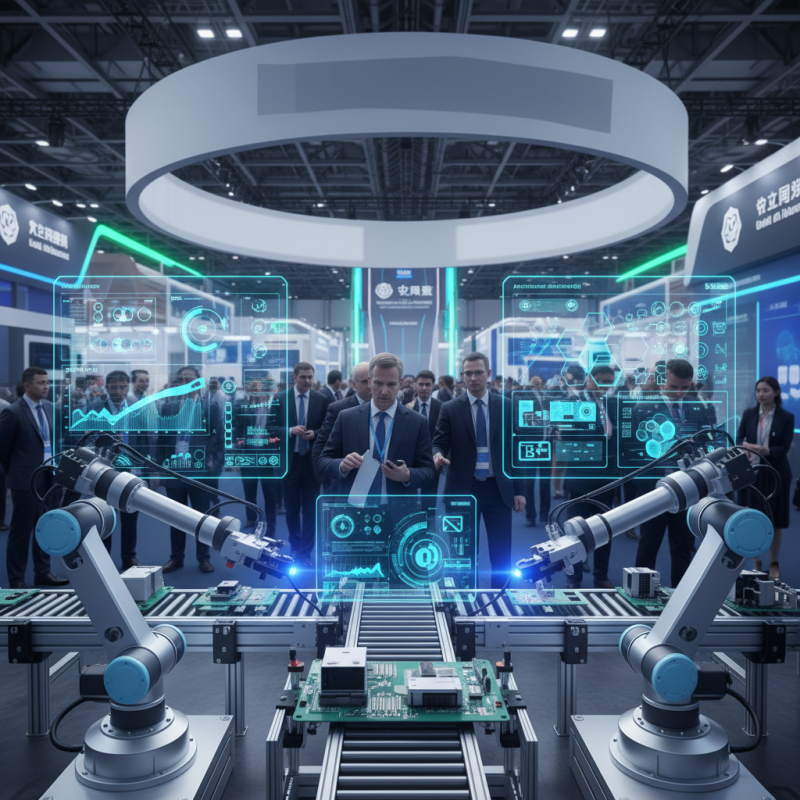
Why Industrial Vision Inspection is Essential at the 2026 Canton Fair?

The Role of Industrial Vision Inspection in Quality Control

Industrial vision inspection plays a crucial role in quality control, especially in high-stakes settings like trade shows. The 2026 Canton Fair will showcase thousands of products. Ensuring their quality is paramount. According to a recent report, defects in manufacturing can lead to a 5-10% loss in revenue for companies. This emphasizes the need for robust inspection systems.

Vision systems automate the detection of defects. They offer speed and accuracy, often exceeding human capabilities. Data indicates that these systems can reduce inspection times by up to 30%. However, reliance solely on technology can be problematic. Human oversight is still necessary to address the nuances that machines may overlook. There must be a balance between automated processes and human intuition.

Ensuring consistency is another challenge. Sometimes, even advanced systems misinterpret data due to environmental factors. Fluctuating lighting or lens distortions can lead to false positives. Manufacturers must continually evaluate and adjust their vision systems to maintain effectiveness. Quality control should not be a one-time effort; it is an ongoing process that requires constant refinement and vigilance.

Key Benefits of Implementing Vision Inspection Systems

Industrial vision inspection systems are increasingly vital, especially at events like the 2026 Canton Fair. These systems enhance quality control and production efficiency. Recent industry reports reveal that implementing such systems can reduce defects by up to 30%. This level of accuracy significantly boosts manufacturers' reputation and customer satisfaction.

Integration of vision inspection can streamline operations. For instance, automated inspections allow for real-time monitoring. This leads to quicker identification of defects. Data indicates that companies using vision systems reported a 20% decrease in production downtime. Yet, not every organization sees immediate success. Some struggle with technology integration, highlighting the need for proper training and resources.

Moreover, vision inspection systems offer a clear advantage in adapting to high production demands. As the industry shifts toward greater automation, these systems provide the necessary support. However, relying solely on technology may lead to complacency. Regular evaluation of inspection processes is crucial to maintain quality standards, ensuring that innovation does not compromise product integrity.

Technological Advancements Shaping Industrial Vision Inspection

In recent years, technological advancements have transformed industrial vision inspection. High-resolution cameras and AI algorithms are now commonplace in factories. These tools enhance accuracy and speed. Yet, integration is not always seamless. Many companies struggle to adapt their processes to new technologies. They face challenges in training staff and managing data flow efficiently.

Recent innovations, like 3D imaging and machine learning, promise greater efficiency. These technologies can detect defects that human eyes might miss. However, relying solely on machines can lead to oversight. Sometimes, human judgment is still essential. Balancing automation and manual inspection is crucial for optimal quality control.

The 2026 Canton Fair will spotlight these advancements. It’s a platform for showcasing innovations, yet many firms remain hesitant. Slow adoption can hinder competitiveness. Companies must embrace change while reflecting on their current practices. It’s a delicate dance between tradition and technology, and the stakes are high.

Industrial Vision Inspection Trends in Manufacturing (2026)

Impact of Vision Inspection on Operational Efficiency

Industrial vision inspection plays a critical role in enhancing operational efficiency. At the 2026 Canton Fair, this technology will be vital. Companies face pressure to maintain high standards. Vision inspection systems can quickly identify defects that human inspectors might overlook. This ensures that faulty products do not reach consumers.


Incorporating vision inspection can streamline production. Automated monitoring reduces the reliance on manual checks. It offers real-time feedback, allowing quick adjustments. However, not all systems are flawless. Some may struggle with environmental variations. Lighting conditions or product placements can impact accuracy. Companies must assess these factors carefully.


Training staff to use this technology is essential. Even with advanced systems, human oversight matters. Employees need to understand how to interpret inspection results. Without proper training, miscommunication may arise. This can lead to mistakes in decision-making processes. Embracing industrial vision inspection means balancing automation with human insight.

Significance of Vision Inspection for Trade Show Success at Canton Fair

Trade shows like the Canton Fair are critical for businesses looking to thrive in a competitive market. Vision inspection plays a significant role in ensuring product quality. According to industry reports, 75% of manufacturers face challenges related to quality control. This is crucial at the Canton Fair, where first impressions matter immensely. Vision systems help detect defects, ensuring products meet high standards before they reach potential buyers.

The impact of implementing vision inspection technology is profound. It can increase productivity by up to 30% while reducing waste. Data from recent studies indicates that companies using advanced vision systems report a 50% drop in product returns. However, some companies still overlook this technology and suffer the consequences. They might miss opportunities or damage their reputations due to inconsistent product quality.

Overall, the use of innovative vision inspection is not just a trend but a necessity. While some businesses lag behind, others are reaping significant benefits. Investing in such technology can boost confidence at the Canton Fair. Yet, the challenge lies in adapting to ongoing advancements in this field.

Why Industrial Vision Inspection is Essential at the 2026 Canton Fair?

Inspection Aspect Importance Level Impact on Trade Show Examples of Applications
Quality Control High Ensures product quality meets standards. Defect detection in manufacturing.
Efficiency Improvement Medium Reduces time spent on manual inspections. Automated inspection systems.
Data Collection High Provides valuable insights for decision-making. Statistical process control analysis.
Customer Satisfaction High Enhances customer trust and satisfaction. Final product inspections before shipping.
Regulatory Compliance Medium Ensures adherence to industry standards. Certifications and audits.