
The Canton Fair provides a vital platform for global buyers exploring the Injection Molding industry. Leaders in the field recognize the significance of innovation and efficiency. John Smith, a renowned expert in Injection Molding, once said, "Embracing advanced technology allows us to optimize production and reduce waste." This quote underlines the importance of integrating new technologies in today’s market.
At the upcoming Canton Fair, from April 15 to May 5, buyers will discover the latest advancements in Injection Molding. This event showcases key sectors such as advanced manufacturing and electronics. With the integration of AI-driven tools, navigating through 1.55 million square meters of exhibits has never been easier. Buyers can filter suppliers based on certifications like ISO and CE.
Despite the promising advancements, challenges remain. Many manufacturers struggle with adapting to new technologies or fail to meet sustainability goals. Injection Molding should focus not only on productivity but also on environmental impact. Engaging with suppliers who prioritize ethical practices is essential for the industry’s future. The journey of transformation continues, inviting reflection and action from all participants.
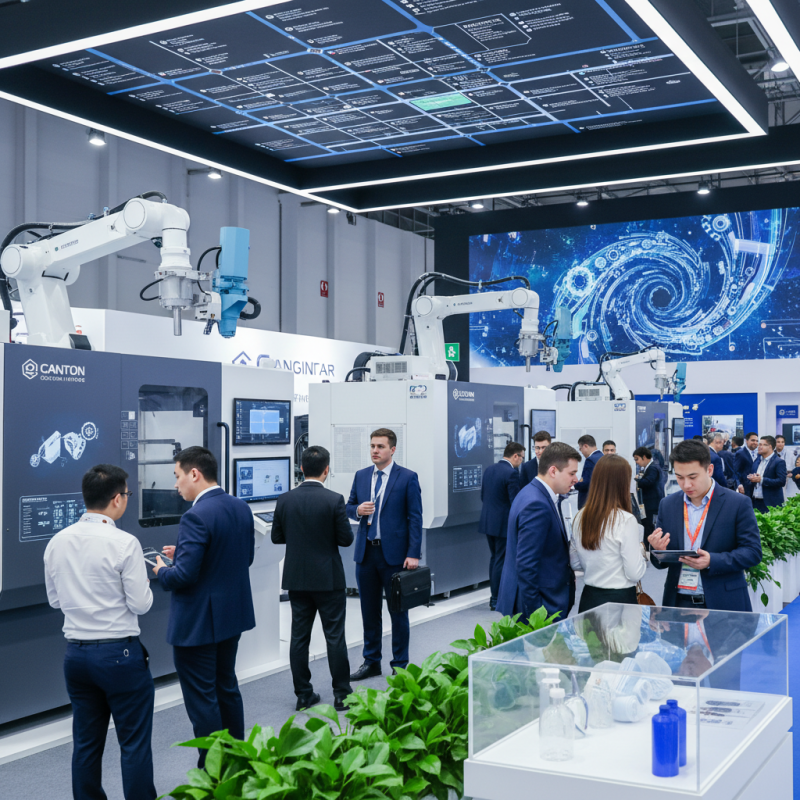
Injection molding is a critical technology in manufacturing various plastic products. This method involves injecting molten plastic into a mold to create precise shapes. It is widely used across different industries, from automotive to consumer goods. Each product, from intricate components to basic containers, showcases the versatility of this technique.
The applications of injection molding are vast. It can produce small, detailed parts or large objects in one go. The process allows for high efficiency and a fast production rate. Companies often appreciate this technology because of its repeatability and consistency. However, the initial setup costs can be high. It pushes some businesses to reconsider if they can afford it.
The environmental impact of injection molding is worth reflecting on. The process requires energy and produces waste. While improvements are being made, challenges remain. Companies might need to explore sustainable materials or recycling methods. This consideration is vital as global awareness of environmental issues grows. Being aware of these factors can lead to better practices in the industry.
Injection molding has become a significant trend in the manufacturing world. Global buyers must stay aware of these market trends, especially at events like the Canton Fair. This fair offers a unique platform for businesses to connect and explore the latest innovations in this industry.
One noticeable trend is the shift towards sustainability in injection molding. Companies are increasingly focusing on eco-friendly materials and processes. This shift is driven by consumer demand for greener products. Buyers should consider suppliers who prioritize sustainable practices. Choices that reflect environmental responsibility can boost a company's brand image.
Tips: Explore suppliers who offer transparent sourcing. Ask about their materials and production methods. It can lead to better options for sustainable products.
Another trend is the integration of automation and smart technology. Automation improves efficiency and reduces labor costs. Smart technology enables better quality control and faster production times. Buyers should evaluate how potential partners utilize these innovations. This can affect long-term profitability.
Tips: Always ask for case studies. Understand how automation improved production for other companies. It helps in making informed decisions on investments.
Buyers should remain proactive and informed. In an evolving market, adapting quickly can offer a competitive edge. Paying attention to these trends will aid in successful sourcing at the Canton Fair.
When evaluating injection molding suppliers, buyers should prioritize quality and reliability. Look for suppliers with a proven track record. They should demonstrate consistent production quality and timely delivery. Consider requesting samples to assess their capabilities firsthand. This ensures their products meet your specifications.
Communication is another critical factor. Suppliers should be responsive and open to feedback. It’s important to gauge their willingness to collaborate. Misunderstandings can lead to costly delays. Suppliers must be proactive in addressing potential issues. A good supplier will not shy away from discussing challenges.
Pricing is vital but shouldn’t be the only criterion. Low prices can be tempting, yet they may come with hidden costs. Evaluate the total cost of ownership. This includes materials, labor, and post-production services. Be wary of suppliers who pressure you into fast decisions. Reflect on past experiences when choosing a partner. Your instincts can guide you away from potential pitfalls.
This bar chart evaluates the key criteria for selecting injection molding suppliers, emphasizing the importance of quality, price, delivery time, customer service, and technical support. Each criterion is assessed on a scale of 0 to 100.
Sustainability is becoming critical in injection molding. Buyers are increasingly seeking eco-friendly materials and practices. A notable report indicates that the market for bioplastics could reach $27 billion by 2024. This is driven by consumer demand for greener products.
Implementing sustainable practices requires investment and awareness. Many manufacturers are still relying on traditional plastics. This approach can contradict the push for eco-friendly solutions. Not all companies are ready to embrace change. Challenges remain in sourcing sustainable materials that meet quality standards.
Recycling rates for plastics remain low globally, around 9%. This highlights the need for better waste management. Creating a circular economy is essential. It demands cooperation from manufacturers, suppliers, and consumers alike. Continuous innovation in biodegradable materials is needed. The industry must adapt to meet environmental expectations while ensuring product integrity.
| Dimension | Description | Eco-Friendly Practices | Materials Used |
|---|---|---|---|
| Energy Efficiency | Defining processes that require less energy. | Use of energy-efficient machinery and techniques. | Recycled and biodegradable polymers. |
| Waste Reduction | Strategies to minimize material waste during production. | Implementing closed-loop systems for recycled materials. | Using materials that are easier to recycle. |
| Water Conservation | Methods to reduce water usage in processes. | Rainwater harvesting and recycling water in production. | Using water-based adhesives and coatings. |
| Sustainable Sourcing | Obtaining materials from sustainable suppliers. | Partnerships with eco-conscious suppliers. | Bioplastics and other renewable resources. |
| Lifecycle Assessment | Evaluating the environmental impacts across a product's life. | Conducting thorough assessments and improving designs. | Materials with lower carbon footprints. |
Injection molding is a crucial aspect of modern manufacturing. Understanding its cost factors can help global buyers make informed decisions. Production expenses vary significantly based on multiple variables. The material choice is vital. Resins, for example, can account for 30-50% of production costs. Polypropylene and ABS lead the market due to their balance of price and performance.
Design complexities also influence costs. A simple design may reduce expenses, but intricate designs often require more expensive molds. The tooling cost, which can range from $5,000 to $100,000, directly impacts profitability. Reports suggest that buyers overlook this critical factor. Shipping and logistics add another layer of expenses. International shipping fees can spike based on weight and distance. Ignoring this factor can lead to budget overruns.
Additionally, the production volume affects the unit price significantly. High volumes can reduce per-unit costs drastically. Some reports indicate that achieving a production run above 10,000 units can decrease costs by up to 30%. However, committing to high volume can be risky without a solid market analysis. Buyers often face uncertainty regarding future demand. Careful evaluation of all these aspects is essential. Making informed choices can save money and enhance product quality.