
A cast iron stove is a timeless piece of equipment in kitchens worldwide. Its durability and heat retention make it a favorite among home cooks. According to a 2022 industry report, 75% of culinary professionals prefer cast iron cookware for its performance and flavor enhancement. However, maintaining a cast iron stove is crucial for its longevity.
Regular cleaning and seasoning can prevent rust and residue buildup. Neglecting these tasks can lead to uneven heating, impacting cooking efficiency. A common mistake is using soap during cleaning, which strips away the protective seasoning. It’s vital to develop a maintenance routine to ensure optimal performance.
Understanding the unique properties of cast iron is key. This material requires diligent care, yet many users overlook its needs. Reports indicate that users who invest time in maintenance experience a 30% increase in cooking satisfaction. It's not just about keeping the stove clean; it’s about respecting its craftsmanship. With proper attention, a cast iron stove can serve a household for generations, becoming a cherished kitchen staple.
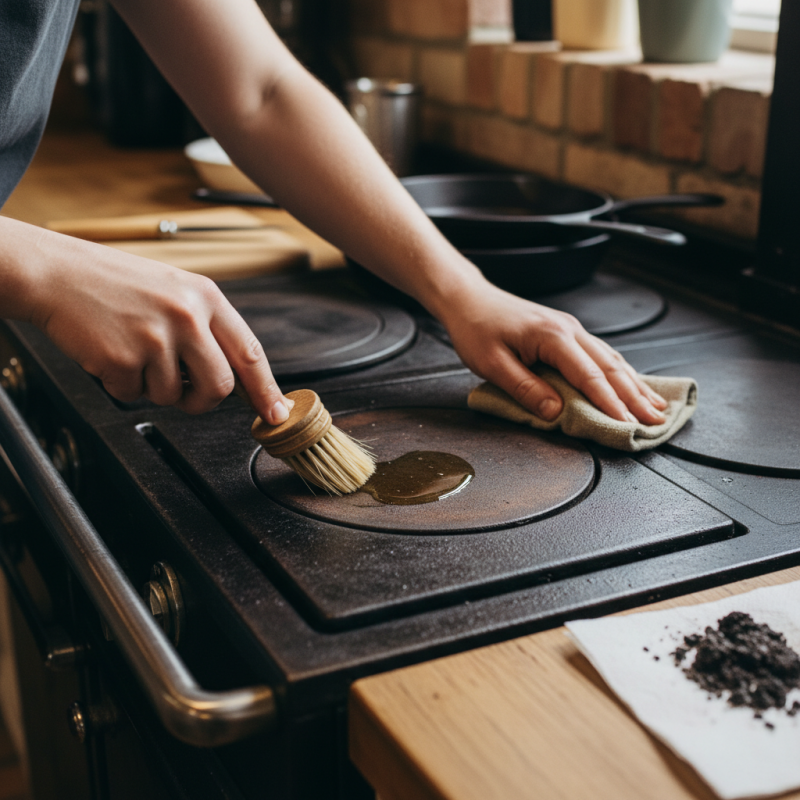
Choosing the right location for your cast iron stove is crucial for its effectiveness. Ideally, place the stove in a central area of your home. This helps distribute heat evenly. According to a report from the National Association of Home Builders, homeowners prioritize effective heating solutions in their living spaces. Central placement keeps rooms warm, reducing energy costs.
Consider venting options while selecting a location. Proper ventilation is key to maintaining good air quality. Make sure the stove is at least three feet away from flammable materials. Many safety guidelines suggest this minimum distance. If this isn’t possible, use heat-resistant barriers.
**Tip:** If you have an open floor plan, try positioning the stove near a high traffic area. This maximizes heat distribution.
Another factor to reflect on is the floor type. Cast iron stoves are heavy. Ensure your floor can support the weight. Some older homes might require reinforcement. Regular inspections can help avoid potential hazards.
**Tip:** Keep the stove away from drafts. Inconsistent temperatures can affect performance. This can lead to overworking your stove.
| Location Factor | Description | Importance Level |
|---|---|---|
| Ventilation | Ensure adequate airflow to enhance combustion and reduce smoke build-up. | High |
| Level Surface | Place the stove on a stable and level floor to prevent spills and ensure safety. | High |
| Clearance Space | Maintain space around the stove for safety and to prevent heat damage to walls. | Medium |
| Proximity to Fuel | Store firewood or fuel nearby for convenience but ensure it's stored safely to avoid fire hazards. | Medium |
| Humidity Control | Keep the area dry to prevent rust formation on the cast iron surface. | High |
Cleaning a cast iron stove is essential for its longevity. Regular maintenance not only enhances its performance but also ensures safety. Start with a soft brush to remove ash and debris. This step is crucial after each use. A damp cloth can wipe away soot and grime. However, don’t soak the stove. Excess moisture can cause rust.
Occasionally, use a mixture of vinegar and water for deeper cleaning. This helps eliminate stubborn stains. Just be cautious not to scratch the surface. If food residue remains, a gentle scrub with coarse salt can be effective. It’s important to dry the area completely after cleaning. It's a step many overlook.
Iron stoves thrive on attention. You might notice some trapped odors even after cleaning. This can be frustrating. Regular checks for rust spots are also essential, and addressing them promptly can prevent more significant issues. Remember, a little effort goes a long way in preserving the beauty and functionality of your cast iron stove.
Seasoning your cast iron stove is essential for optimal cooking. This process creates a non-stick surface. It improves the stove's lifespan. Start by cleaning the stove thoroughly. Remove any rust or old seasoning. Use a scrub brush and soap. Rinse well and dry completely.
Now, apply a thin layer of oil. Choose oils with high smoke points. Spread the oil evenly over the entire surface. Don’t overdo it. Too much oil can create a sticky surface. Preheat your oven to around 350°F. Place the stove upside down on the oven rack. Bake it for an hour. This helps the oil bond with the iron.
After baking, let it cool. The seasoning should turn a deep, shiny black. If it looks uneven, don’t worry. You can repeat the process. Be patient. Over time, your stove will develop a perfect non-stick surface. Regular maintenance is key. Avoid using soap for cleaning after seasoning. Instead, use hot water and a brush. Your cast iron stove will reward you with better performance.
Maintaining a cast iron stove is crucial for optimal performance. However, issues can arise over time. Common problems include rust, cracks, and difficulty in starting a fire. According to a recent survey by the Hearth, Patio & Barbecue Association, nearly 35% of stove owners reported issues related to rust. Rust not only affects aesthetics; it impacts heat efficiency.
Inspect your stove regularly. Look for small patches of rust and address them immediately. Use a wire brush and high-temperature paint to treat affected areas. Cracks can be more challenging. They can lead to further damage and inefficiency. The National Fire Protection Association recommends inspecting seals and joints at least once a year. Any gaps or cracks may require professional attention, potentially costing hundreds of dollars.
The firebox is another critical area. If you struggle to get a good burn, check for blockages. Creosote can build up and restrict airflow. A 2021 report highlighted that nearly 15% of stove-related incidents involved airflow issues. Cleaning the flue regularly is vital. However, over-cleaning can wear down the surfaces. Balance is key. Your cast iron stove can serve you well, but it needs your attention to keep it safe and efficient.
Maintaining a cast iron stove requires dedication and attention. Cleaning it after each use is essential. Wipe the surface with a soft cloth. This prevents food residue from building up. Sometimes, scrubbing is needed. A stiff brush can help remove stubborn bits. Be careful not to scratch the surface.
Seasoning the stove is another crucial task. Apply a thin layer of cooking oil regularly. This process helps create a non-stick surface. Each time you use the stove, you may need to reconsider your oil choice. Maybe some oils perform better than others. It’s important to test and observe.
Storage can also affect performance. Keep the stove in a dry area. Moisture can lead to rust, ruining your hard work. If you notice rust, don’t panic. Lightly sand the affected spot and re-season it.
Monitor your stove regularly for any signs of wear. Remember, it’s not just about cooking; it’s about maintaining tradition and craftsmanship.