What is Matcha Powder Benefits Uses and How to Make It?
Matcha Powder is gaining popularity for its unique flavor and vibrant green color. This finely ground tea offers numerous health benefits. Rich in antioxidants, it supports overall wellness. Many people appreciate it for boosting energy without the jitters common with coffee.
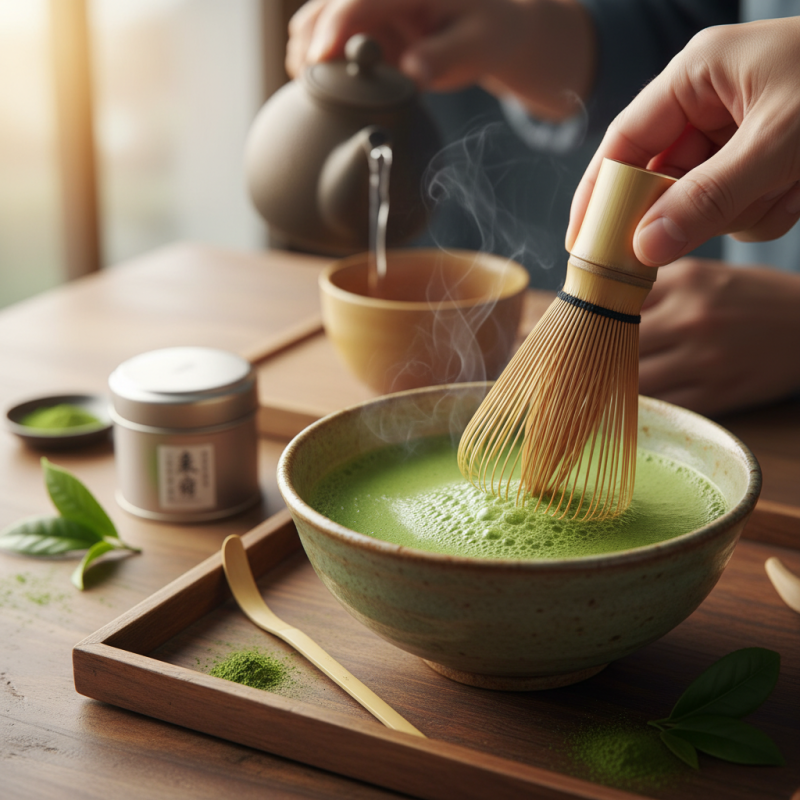
When preparing Matcha Powder, the ritual itself becomes a mindful experience. The process requires attention and care. You can whisk it with hot water to create a frothy drink. Alternatively, it can be added to smoothies or baked goods. However, not everyone can master its preparation right away. Mistakes can happen, like clumping or bitterness if the water is too hot.
Embracing the journey with Matcha Powder may lead to frustration initially, but patience pays off. The vibrant taste and health advantages make the effort worthwhile. With practice, you can enjoy a perfect cup of matcha every time.
What is Matcha Powder?
Matcha powder is a finely ground powder made from specially grown green tea leaves. Unlike regular tea, matcha involves consuming the entire leaf, which offers a higher level of nutrients. According to a study published in the "Journal of Nutritional Science," matcha contains over 137 times more antioxidants than standard green tea. These antioxidants, particularly catechins, are known for their health benefits, including promoting heart health and reducing inflammation.
In addition to its nutritional perks, matcha is often praised for its unique flavor and vibrant green color. It can be used in various culinary applications, from traditional tea ceremonies to modern lattes and desserts. Some individuals have reported enhanced focus and energy after consuming matcha; however, individual reactions can vary significantly. A 2021 report indicated that about 30% of matcha drinkers experience jitters similar to those from coffee. This variance prompts a reflection on how personal tolerance affects the consumption of caffeinated products.
The preparation of matcha is an art in itself. Proper whisking techniques can influence texture and flavor, often posing challenges for novices. Users may struggle with achieving the right consistency, which can result in clumpy or grainy drinks. While many enjoy the ritual of making matcha, others find it time-consuming. This duality highlights the importance of understanding one's preferences and the learning curve involved in matcha preparation.
The Nutritional Profile of Matcha Powder
Matcha powder is gaining popularity due to its unique nutritional profile. It is rich in antioxidants, particularly catechins. These compounds help fight free radicals in the body. This makes matcha a powerful ally in promoting overall health. Additionally, matcha contains amino acids like L-theanine. This amino acid is known to promote relaxation without causing drowsiness. It’s interesting how these compounds work synergistically to enhance mental clarity.
In terms of vitamins and minerals, matcha is quite impressive. It has vitamin C, selenium, and magnesium. These nutrients support the immune system and energy metabolism. However, the caffeine content in matcha can be a concern for some. Drinking too much can lead to jitters or anxiety. It's important to find a balance that suits individual tolerance levels.
Many people enjoy matcha in various forms. It can be a warm tea or a refreshing iced beverage. Some even incorporate it into smoothies or baked goods. Experimenting with matcha can lead to creative culinary discoveries. Each person’s experience with matcha is unique. Finding the right way to enjoy it requires some trial and error.
Matcha Powder Benefits
Health Benefits of Matcha Powder
Matcha powder is gaining widespread attention for its multiple health benefits. It contains a high concentration of antioxidants, particularly catechins. In fact, a study published in the "Journal of Nutritional Science" found that matcha has over 137 times more antioxidants than standard green tea. This powerful antioxidant content can help combat oxidative stress and inflammation in the body.
Moreover, matcha may support mental clarity and focus. The presence of L-theanine, an amino acid, can promote relaxation without drowsiness. Research indicates that L-theanine increases alpha waves in the brain. These waves are associated with a state of calm alertness. Many users report improved concentration and productivity after consuming matcha.
However, it is important to note that excessive consumption can lead to unwanted effects. Some individuals may experience jitteriness or increased heart rate due to its caffeine content. Balancing matcha intake with other food and drinks can prevent these issues. Listening to your body’s response is crucial when incorporating matcha into your diet.
How to Use Matcha Powder in Recipes
Matcha powder is versatile and can elevate many recipes. You can use it in drinks, desserts, and savory dishes. For a simple matcha latte, mix one teaspoon of matcha with hot water and whisk until frothy. Add your choice of milk for a creamy texture. This drink is not only delightful but also packed with antioxidants.
In baking, matcha adds a unique flavor. Try incorporating it into cookies or pancakes. It gives a vibrant green color and a subtle earthiness. Just replace a small amount of flour with matcha powder. Don't be surprised if the taste is different than expected. It may take a few tries to perfect the balance.
Tips: Start with small amounts of matcha. Too much can overpower your dish. Experiment patiently to find the perfect flavor. Store matcha in a cool, dark place to maintain freshness. Enjoy discovering new recipes that incorporate this unique ingredient!
Step-by-Step Guide on How to Make Matcha Tea
Matcha tea has gained popularity due to its numerous health benefits. Making matcha tea can be a bit tricky, but following a step-by-step guide can help. First, start with high-quality matcha powder. The process begins with boiling water. The ideal temperature for water should be around 175°F (80°C). If the water is too hot, it may result in a bitter taste.
Next, sift about one to two teaspoons of matcha powder into a bowl. This helps in breaking up any clumps, ensuring a smoother drink. Pour a small amount of hot water over the matcha. Use a bamboo whisk or a frother to blend the powder. A study published in the Journal of Nutritional Science found that whisking enhances the antioxidant levels in tea. For a frothy texture, whisk in a zigzag motion for about 15-30 seconds.
Once combined, add more water according to your taste preference. Some people prefer a thicker consistency, while others like it lighter. Enjoy your tea as it is, or try adding a splash of milk or sweetener. Even with this guide, the temperature and whisking technique can vary. Experimenting helps find the perfect cup, as individual preferences can make a significant difference.