Top Packaging Materials Trends to Watch in 2026?

The landscape of packaging materials is evolving rapidly. By 2026, we can expect significant shifts. Companies are focusing on sustainability and innovation. This means new materials will emerge. Traditional plastics are under scrutiny, leading to alternatives. Biodegradable and recyclable options are on the rise.

There's a noticeable trend towards minimalism in packaging design. Brands aim to reduce waste while maintaining functionality. Creative solutions are redefining what packaging can be. Yet, challenges remain. Not all sustainable materials meet the same standards. Consumer expectations are high, and some innovations fall short.

In this dynamic environment, staying informed is crucial. The packaging materials of tomorrow promise both opportunities and obstacles. Businesses must adapt or risk falling behind. With thoughtful strategies, companies can meet both consumer needs and environmental goals.

Top Packaging Materials Trends to Watch in 2026?

Emerging Sustainable Packaging Materials in 2026
Top Packaging Materials Trends to Watch in 2026?

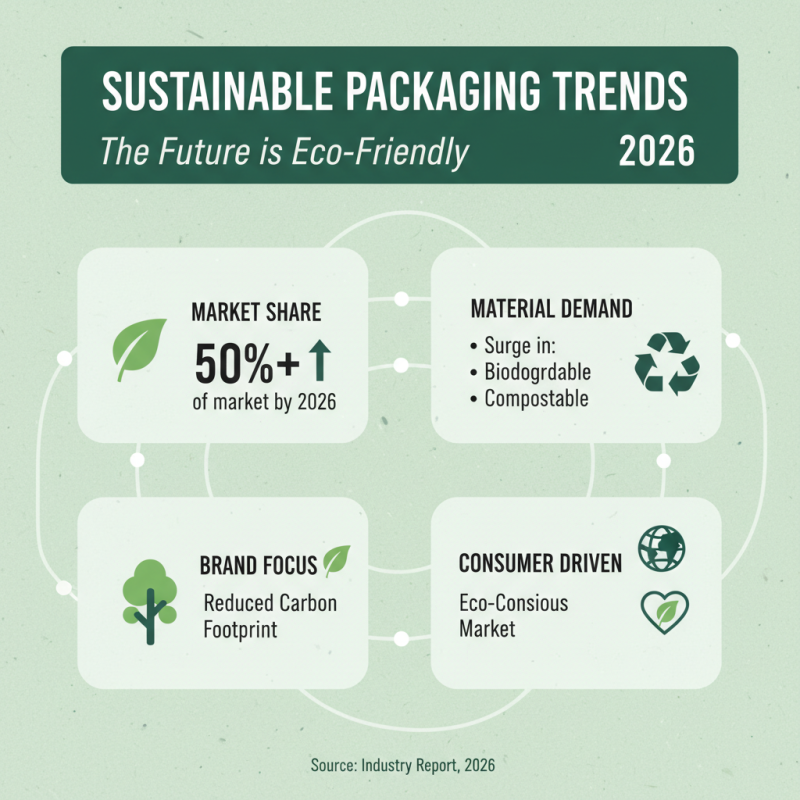
As the world shifts towards sustainability, packaging materials are evolving rapidly. Emerging trends for 2026 reveal a clear focus on eco-friendly solutions. According to a recent industry report, sustainable packaging could account for over 50% of the market by 2026. The demand for biodegradable and compostable materials is surging. Brands are seeking ways to reduce their carbon footprints, which is crucial in today’s eco-conscious market.

Bioplastics, derived from renewable sources, are gaining traction. They offer similar performance to traditional plastics while minimizing environmental impact. A study indicates that bioplastics can reduce greenhouse gas emissions by up to 80% compared to petroleum-based plastics. This is a significant step towards a more sustainable future. However, challenges remain. The production process for some bioplastics still requires energy-intensive methods. This creates a dilemma about their overall sustainability.

Furthermore, innovative materials like mushroom packaging and seaweed-based films are emerging. These alternatives demonstrate promise in reducing plastic waste significantly. Nevertheless, they aren’t without limitations. The scalability of these materials for mass production is a concern. As companies explore these options, balancing performance and sustainability becomes critical. The road ahead is not without hurdles, but the potential for meaningful change is immense.

The Role of Advanced Technology in Packaging Solutions

Advanced technology is rapidly changing packaging solutions. Robotics are streamlining production lines, making packaging faster and more efficient. Smart packaging materials can monitor freshness and enhance product safety. These innovations are not just trendy; they address real-world challenges.

However, the implementation of technology often falls short. Many companies struggle with integration. There can be substantial costs associated with upgrading equipment and training staff. Data management is another hurdle. Companies need to ensure their tech systems communicate effectively.

Sustainability remains a critical focus. Biodegradable materials and reduced waste are essential. Yet, achieving this balance is challenging. Some companies may resort to quick fixes that compromise quality. The path to tech-driven sustainability is complex. Continuous improvement and innovation are necessary for real progress.

Top Packaging Materials Trends to Watch in 2026

This chart showcases the predicted market share of various packaging materials by 2026, highlighting the significant role of advanced technology in the development and adoption of sustainable solutions.

Consumer Preferences Shaping Packaging Material Choices

Consumer preferences are dramatically influencing the packaging materials industry. In 2026, we see a shift towards sustainable options. Many consumers now seek biodegradable and recyclable materials. This trend raises questions about the effectiveness of these options. Not all biodegradable products break down efficiently. Some consumers might not understand what “compostable” really means.

Moreover, convenience remains a key factor in consumer choices. Easy-open packaging can attract more buyers. However, is convenience always compatible with sustainability? Packaging that is lightweight may reduce waste. Yet, it may not provide adequate protection for products. Balance is essential, but achieving it presents challenges.

The aesthetic aspect of packaging also plays a critical role. Consumers enjoy visually appealing products. Unique designs can stand out on shelves. But what about the environmental impact of more extravagant materials? Creativity often clashes with eco-friendly practices. This tension in the market highlights the complexity of consumer expectations and the need for thoughtful innovation.

Innovative Biodegradable Options for the Future

The rise of biodegradable packaging is transforming the industry. In 2026, experts predict that these materials will dominate the market, pushing for sustainable solutions. Currently, around 55% of companies are exploring biodegradable options. This trend responds to increasing consumer demand for eco-friendly products.

Innovative materials, like plant-based bioplastics, are leading the charge. These options break down naturally, minimizing environmental impact. Reports indicate that the global bioplastics market will reach $44 billion by 2026. However, challenges remain. Not all biodegradable materials decompose efficiently in different environments. This inconsistency raises questions about their true effectiveness.

Recyclability is another concern. Biodegradable packaging can disrupt traditional recycling streams. Some facilities are not equipped to handle such materials, leading to contamination. Alongside this, the perception of biodegradable versus conventional packaging still requires more awareness. Education is essential as businesses and consumers navigate these new developments.

Regulatory Influences on Packaging Material Trends

Regulatory influences are shaping packaging materials significantly. By 2026, compliance with sustainability regulations will be critical. A report from Smithers states that more than 30% of packaging decisions will revolve around legal requirements. Companies must adapt quickly to avoid penalties and market withdrawal.

The European Union is leading with strict directives on single-use plastics. The recent Plastics Strategy mandates reductions in plastic waste. In response, 45% of packaging professionals plan to shift to renewable materials by 2026. This shift is not just about compliance; it's also a market demand for eco-friendly solutions.

Recent studies indicate that 70% of consumers prefer sustainable packaging. Regulations push companies toward biodegradable and recyclable materials. However, many firms grapple with high costs and supply chain challenges. Compliance does not guarantee market success. It requires innovation and integration of customer feedback into packaging designs. Balancing regulatory demands with consumer preferences is more complex than ever.