What is a Packing Machine and How Does It Work?
Packing machines are essential in various industries, including food, pharmaceuticals, and consumer goods. According to a report by Grand View Research, the global packing machine market is projected to reach $48.8 billion by 2028, growing at an annual rate of 4.2%. This highlights the increasing demand for efficient packaging solutions around the world.
Experts like Dr. Emily Tran, a leading authority in automation technology, emphasize the value of packing machines in streamlining operations. She noted, "Packing machines not only enhance productivity but also ensure consistency in product presentation." This underscores the importance of automation in maintaining quality and reducing labor costs.
Despite advancements, many businesses struggle with integrating new packing technologies. Companies face challenges in choosing the right machine tailored to their specific needs. A thoughtful approach is crucial. The effectiveness of a packing machine depends on several factors, including product type and production speed. Understanding these variables is key to maximizing efficiency and minimizing waste.
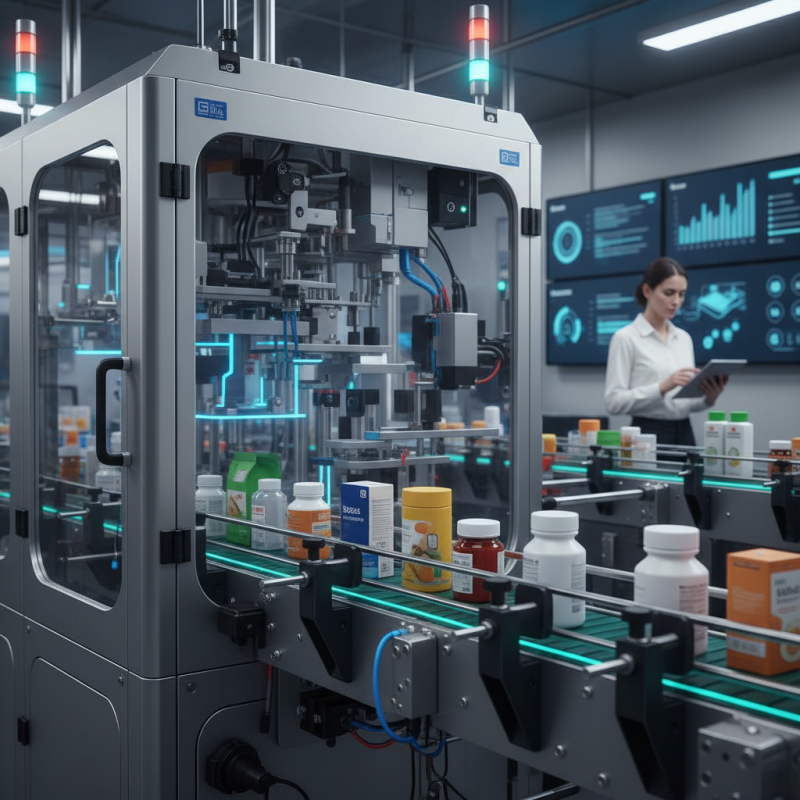
What is a Packing Machine? An Overview of its Definition and Purpose
A packing machine is an essential device in the manufacturing and distribution sector. It automates the packaging process, enhancing efficiency and reducing labor costs. Typically, it operates by sealing products in various types of packaging. This can range from boxes to shrink wrap. The global packing machine market was valued at approximately $39 billion in 2021 and is projected to grow significantly. According to a recent industry report, the rise in consumer demand for ready-to-eat products boosts this growth.
The purpose of a packing machine extends beyond mere packaging. It ensures product safety during transportation and storage. Proper sealing prevents contamination and preserves freshness. However, not all machines meet the same standards. Some may require frequent maintenance, leading to downtime. Efficiency is often compromised when machines malfunction.
A study indicated that about
15% of production time can be lost due to equipment issues. Companies need to weigh these factors when investing in packing solutions.
Moreover, the design of a packing machine plays a critical role in its effectiveness. Machines need to accommodate various product shapes and sizes. Inflexible designs may lead to waste or inefficient use. Surveys show that manufacturers express feelings of frustration over the limitations of certain models. This can hinder their ability to adapt to changing market trends. Keeping up with technology is essential for businesses seeking to thrive in a competitive landscape.
Key Components of Packing Machines: Understanding Mechanisms and Functions
Packing machines are essential tools in many industries. They automate the process of packaging products, ensuring efficiency and consistency. Understanding the key components of these machines can enhance your appreciation for their intricate designs and functions.
One vital component is the
conveyor system. It transports items to the packing station.
Tip: Regularly check for blockages to ensure smooth operation.
Another important part is the
sealing mechanism. This seals the packages securely. Different sealing types serve various materials. Users may overlook this but must consider the
seals' durability.
Tip: Test seals regularly for effectiveness.
Additionally, packing machines often include
sensors. These detect the presence and alignment of products. Misalignment can lead to wasted materials or time.
Tip: Monitor sensor functionality to maintain precision.
A deeper dive into packing machines reveals their complexity. Each component plays a crucial role in the overall success of the packaging process. Yet, even small issues can create significant disruptions. Focusing on these
key components and their functions helps optimize operations and reduces risks.
Types of Packing Machines: Analyzing Various Solutions for Different Industries
Packing machines play a crucial role in various industries, adapting to diverse needs. Their types vary based on the products they handle. For example, food and beverage sectors often use vertical form-fill-seal machines, which are efficient for liquid and dry goods. According to a recent industry report by Grand View Research, the global packaging machinery market is projected to reach $55 billion by 2025, showing a significant compound annual growth rate (CAGR) of 4.3%. This growth reflects the increasing demand for automated solutions in packing processes.
In contrast, pharmaceutical industries require specialized machines. These packing solutions must adhere to stringent regulatory standards. Blister pack machines, for instance, are designed to protect sensitive medications. They ensure product integrity and extend shelf life. A study from Market Research Future highlighted that the pharmaceutical packaging market could witness a CAGR of 6.7% over the next five years. Such figures emphasize the need for advanced technologies and reliable machines in the sector.
However, while these machines enhance efficiency, challenges exist. Companies must invest in training personnel to operate complex machinery. Maintenance is also a critical factor that can lead to downtime. Addressing these issues can be resource-intensive. Some manufacturers struggle to keep up with evolving technology and consumer expectations. Balancing innovation with cost-effectiveness remains an ongoing challenge for many industries.
How Packing Machines Work: Step-by-Step Process of Packaging Goods
Packing machines are essential in various industries, streamlining the packaging process. The step-by-step procedure begins with product orientation. Items are aligned for efficient handling before they reach the packaging station. This initial step is crucial, as misalignment can lead to increased waste. According to industry reports, improper packing can result in up to 30% product loss.
Next, the machine dispenses the appropriate packaging materials. This can involve filling pouches, boxes, or shrink-wrapping goods. Different products require tailored solutions. The machine often uses sensors to detect items and adjust accordingly. For precision, some models utilize advanced technology for real-time monitoring.
**Tip:** Regular maintenance of the machine can prevent malfunctions and ensure optimal performance. Operators should receive proper training to manage issues effectively. It’s also beneficial to conduct periodic reviews of the packaging process, as inefficiencies can be identified early on. Lastly, investing in the latest technology can enhance efficiency but requires careful analysis of costs versus benefits.
What is a Packing Machine and How Does It Work?
| Type of Packing Machine | Functionality | Speed (Units per Minute) | Common Applications |
| Vertical Form Fill Seal (VFFS) | Automatically forms, fills, and seals bags from a roll of film. | 30-100 | Snacks, grains, and powders. |
| Horizontal Flow Wrapper | Wraps products in film or foil with a horizontal flow. | 50-200 | Confectionery, bakery items, and meats. |
| Cartoning Machine | Packages products into cardboard boxes. | 20-60 | Beverages, pharmaceuticals, and cosmetics. |
| Shrink Wrapper | Applies shrink film around products and uses heat to shrink. | 30-80 | Multi-pack items, bundles, and promotional packs. |
| Blister Packaging Machine | Forms blisters, seals them with a backing material. | 20-120 | Pharmaceuticals, electronics, and consumer goods. |
Industry Standards and Efficiency: Measuring Packing Machine Performance Metrics
Packing machines play a crucial role in modern production lines, enhancing efficiency and consistency in packaging processes. To measure their performance, various industry standards come into play. Efficiency metrics often include speed, accuracy, and reliability. These metrics help manufacturers gauge how well a machine meets production goals.
Speed, for instance, is measured by the number of packages produced per hour. However, speed should not compromise quality. An overly fast machine can lead to errors or damaged products. Accuracy is equally important; it ensures that each package's weight and dimensions meet specified standards. When a machine consistently under or overfills packages, it can lead to waste and customer dissatisfaction.
Reliability is another vital metric. A machine that frequently breaks down can halt production and result in financial losses. Tracking machine downtime helps in understanding its operational efficiency. Regular maintenance is essential, yet many overlook this aspect, which can lead to unexpected failures. Manufacturers should reflect on these metrics regularly to make informed decisions for improving their packing operations.