What is Pastry Packaging and Why Does It Matter?

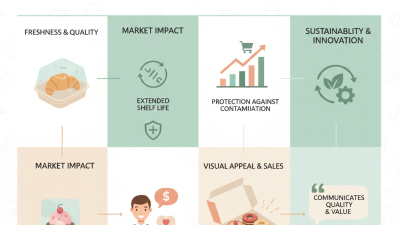
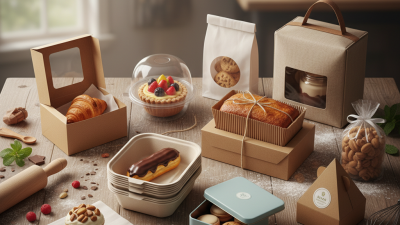
Pastry packaging plays a crucial role in the culinary world. It goes beyond mere aesthetics. Good packaging protects the delicate nature of pastries while enhancing their appeal. When a pastry arrives at the consumer’s door, it should evoke a sense of quality and care.

Think about a beautifully crafted croissant. If it’s squished or stale, the experience is ruined. Effective pastry packaging keeps baked goods fresh and intact. Using the right materials can help maintain texture and flavor for longer periods.

However, not all packaging is created equal. There are countless options, often leading to confusion. Should a bakery choose eco-friendly materials, or prioritize sturdiness? Finding the right balance is essential. Pastry packaging matters, and it reflects the care and commitment of the baker.
What is Pastry Packaging and Why Does It Matter?

Definition of Pastry Packaging and Its Key Components

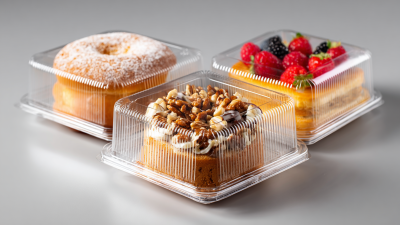
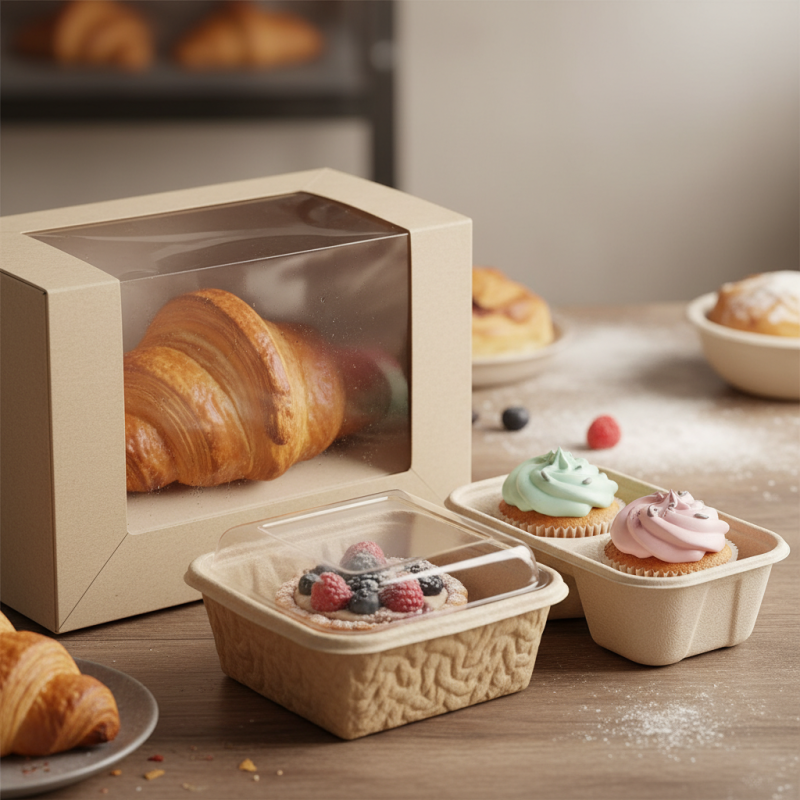
Pastry packaging plays a vital role in the food industry. It ensures products stay fresh and appealing. Good packaging protects pastries from environmental elements. This includes air, moisture, and light. Materials used often include plastic, paper, and foil. Each type has distinct properties that affect preservation.


Key components of pastry packaging include design, functionality, and sustainability. Attractive designs catch consumers' eyes. A well-thought-out design enhances brand recognition as well. Functionality ensures that packaging can withstand handling and transportation. Sustainable options are gaining popularity. They reflect a commitment to environmental responsibility.


However, challenges exist. Not all packaging materials are eco-friendly. Some pastries may spoil quickly, regardless of the packaging used. Consumers increasingly prefer biodegradable and recyclable options. Yet, balancing cost and sustainability remains a complex issue. The evolution of pastry packaging continues to invite debate, creativity, and innovation in the industry.
Importance of Proper Pastry Packaging for Preservation

Proper pastry packaging is crucial for preserving freshness. When pastries are exposed to air, they can become stale quickly. Packaging keeps moisture in and prevents drying out. It also acts as a barrier against contaminants. This is essential for maintaining taste and quality. Without it, pastries lose their appeal.

Tips: Use airtight containers for short-term storage. For longer preservation, consider vacuum-sealing your pastries. Also, reusable bags can be useful for reducing waste.

Choosing the right packaging materials is also important. Avoid materials that might alter the pastry's flavor. For example, plastic can sometimes trap moisture too well, leading to soggy textures. And don't forget to label your packages. Indicate the type and date. This helps track freshness.

Imperfect packaging can lead to disappointing experiences. A torn bag or a broken seal can ruin your efforts. Take the time to inspect your packaging. Small details matter. They ensure that your pastries are enjoyable even days after baking.

Materials Used in Pastry Packaging: A Comprehensive Overview

What is Pastry Packaging and Why Does It Matter?

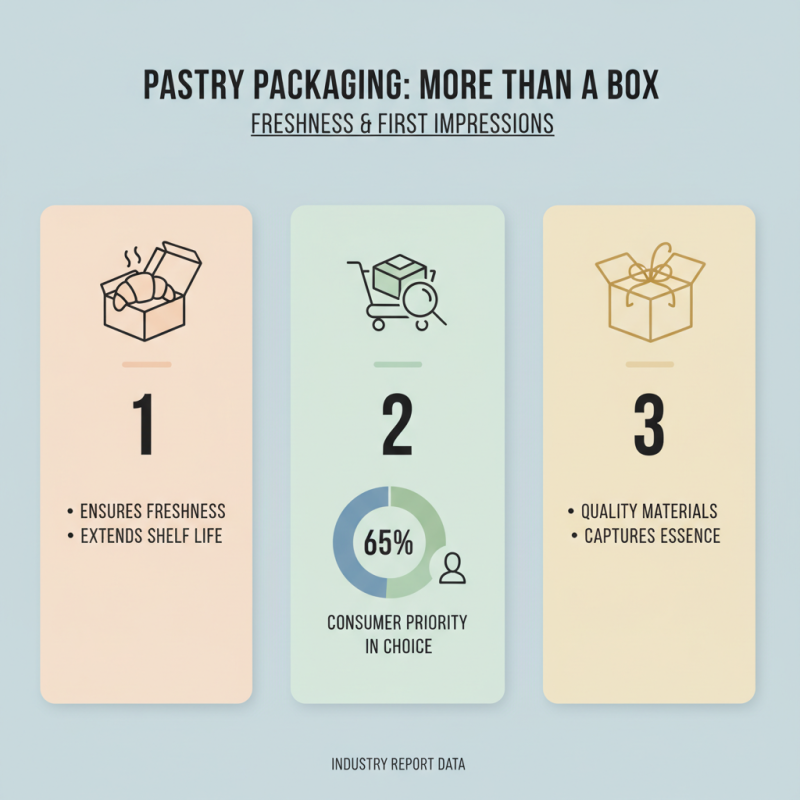
Pastry packaging plays a crucial role in the food industry. It ensures freshness and extends shelf life. According to a recent industry report, 65% of consumers prioritize packaging when choosing baked goods. This statistic underscores the importance of using quality materials that capture the essence of the product.

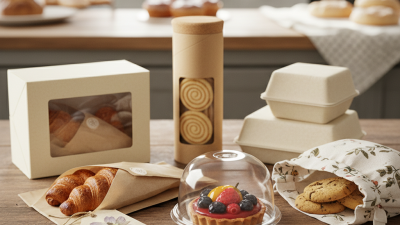
Common materials in pastry packaging include paper, plastic, and biodegradable options. Paper offers breathability, preventing moisture buildup. This is essential to maintain the texture of pastries. Plastics, while durable, can trap moisture. This trade-off needs careful consideration. Biodegradable options are gaining traction, with 40% of consumers willing to pay more for eco-friendly packaging.

The wrong choice can lead to waste. For instance, improper sealing might cause stale products. A significant 30% of bakers reported customer complaints regarding packaging issues. These figures highlight that understanding material properties is vital. Missteps in packaging decisions can negatively impact customer satisfaction and brand loyalty.

Innovative Packaging Solutions for Enhanced Pastry Presentation

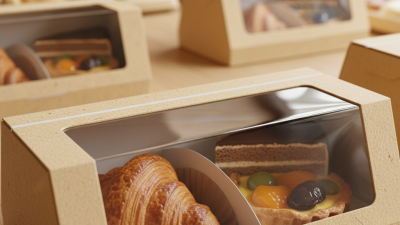
Pastry packaging plays a vital role in the culinary world. Innovative solutions not only keep pastries fresh but also enhance their visual appeal. Consider the way a beautifully designed box can elevate a simple pastry. Clear windows, vibrant colors, and unique shapes invite curiosity and excitement.

For bakers, presentation is key. A well-packaged pastry stands out among competitors. It speaks to quality and care. Using eco-friendly materials is also a consideration. Many customers appreciate packaging that is kind to the environment. However, balancing aesthetics and functionality is a challenge. Sometimes, a stunning design may compromise the pastry's protection during transport.

Creativity in packaging can reflect the personality of the bakery. Customized prints or whimsical designs can set a brand apart. Yet, these choices should also consider usability. Can the consumer easily open it? Does the packaging fit the pastry perfectly? These are crucial questions. Reflecting on these aspects ensures the packaging is not just beautiful, but also practical.

Environmental Considerations in Pastry Packaging Choices

Pastry packaging choices greatly impact the environment. Traditional materials often contribute to significant waste. Many don’t decompose easily, adding to landfill problems. Single-use plastics are a major concern. They’re convenient but harmful. The fight against pollution requires a shift in perspective.

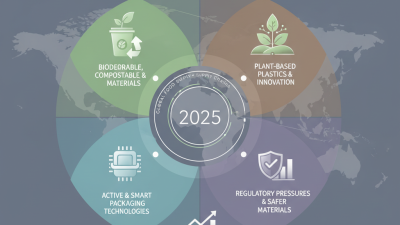
Instead of relying solely on plastic, businesses can explore eco-friendly options. Compostable materials are gaining popularity. They break down naturally and enrich the soil. However, finding the right balance can be tricky. These materials might cost more and may not always provide the same durability. This trade-off requires careful consideration.

Recycling can also play a role. Educating consumers about proper disposal is crucial. Many people are unsure of what to recycle. The confusion leads to waste mixed with recyclables. A simple guide can help. Yet, even the best intentions won’t solve everything. Sustainable packaging is a journey, not just a destination. Balancing environmental benefits with practical needs is essential.