
What is Print Inspection and Why is it Important?

In today's fast-paced printing industry, Print Inspection has emerged as a critical practice. Experts like John Smith, a leading figure in quality control, emphasize its significance: "Print Inspection is not just a checkpoint; it's a commitment to excellence." This statement reflects the vital need for rigorous evaluation processes.

Print Inspection ensures that each printed product meets the highest standards. Without it, errors can slip through the cracks, impacting brand reputation and customer satisfaction. Imagine a company delivering brochures filled with typos or faded images. Such mistakes can lead to costly reprints and damaged trust.

Quality should never be compromised. Yet, in a rush to meet deadlines, some may overlook the Print Inspection phase. This oversight can result in unrecognized flaws that tarnish the final product. Continuous reflection on inspection processes is essential to maintain quality and reliability. The balance between efficiency and thoroughness remains a challenge for many in the industry.
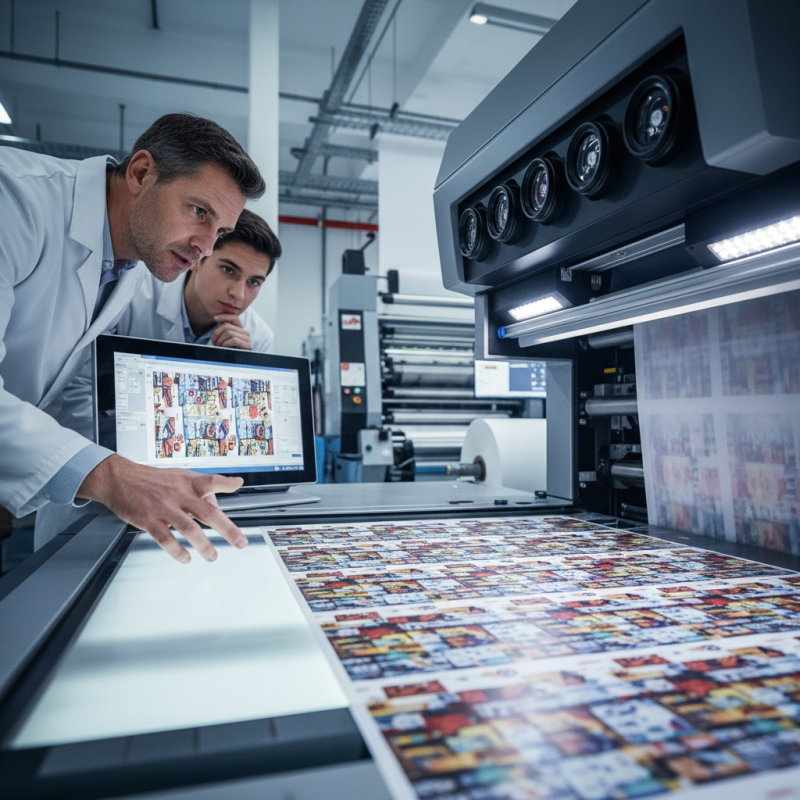
What is Print Inspection and Why is it Important?

What is Print Inspection?

Print inspection is a vital process in the world of printing. It involves examining printed materials for quality and accuracy. This process ensures that the end product meets specified standards. Attention to detail is crucial in print inspection. Overlooking minor flaws can lead to significant issues down the line.

Tip: Always use proper lighting when inspecting prints. This can help reveal discrepancies that might go unnoticed in dim conditions.

Many factors affect print quality. These include color consistency, alignment, and clarity. A small misalignment can spoil the entire batch. Regular checks during the printing process are essential. However, it’s easy to become complacent and miss defects.

Tip: Train your team to recognize common print defects. Frequent training can improve overall print quality.

Issues like ink smudging or color fading can occur. These problems may arise from equipment malfunctions or poor-quality materials. Identifying these flaws early saves time and resources. Neglecting print inspection might lead to customer dissatisfaction and loss of credibility.

The Process of Print Inspection Explained

Print inspection is a critical process in the printing industry. It ensures that printed materials meet specified quality standards. The inspection process often relies on technologies like cameras and sensors. These tools help identify defects during production. Real-time monitoring can reduce waste significantly. According to recent industry reports, up to 30% of printed materials may require reworking without proper inspection protocols.

Implementing a robust print inspection system involves analyzing various aspects of a print run. This includes color accuracy, alignment, and overall print quality. Each aspect plays a crucial role in the final product. Consistent quality control enhances brand reputation. However, many companies still underestimate the importance of thorough inspections. Studies indicate that nearly 25% of companies have vague quality guidelines.

The integration of automated inspection technologies can streamline processes. By replacing manual inspections, companies can increase efficiency. Yet, automation isn't flawless. Errors can emerge if machines misinterpret data. Continuous training and adaptation are vital. Industry experts emphasize the need for ongoing improvement and human oversight. It's clear that print inspection is essential, but its execution must evolve.

Print Inspection Metrics

Print inspection is vital for maintaining quality and efficiency in printing processes. This chart illustrates the various metrics that underscore the significance of print inspection, including quality assurance, error detection, time efficiency, and cost reduction. Each metric highlights the critical role print inspection plays in delivering consistent and high-quality printed materials.

Key Technologies Used in Print Inspection

Print inspection is vital in ensuring the quality and integrity of printed materials. Various technologies empower print inspection processes today. Machine vision systems are among the top tools. They use high-resolution cameras to scan prints in real-time. This technology identifies defects like misalignments and color inconsistencies.

Automated optical inspection (AOI) systems enhance quality control significantly. These systems work by comparing printed output against reference images. They can detect missing elements or incorrect patterns. However, human oversight is still crucial. Relying solely on machines can lead to missed errors that require a human touch.

Another key technology is spectroscopy. It measures color accuracy and consistency. Spectroscopic tools help ensure that every print aligns with specific color standards. Yet, tech can falter; fluctuations in lighting can affect measurements. Therefore, combining technologies may yield the best results in print inspection.

Benefits of Print Inspection in Quality Control

Print inspection plays a critical role in quality control. It involves examining printed materials to ensure they meet set standards. This process can significantly reduce defects, ultimately improving customer satisfaction. According to a recent industry report, businesses that implement robust print inspection systems see up to a 30% decrease in printing errors.

One of the key benefits of print inspection is its ability to catch errors early. For example, an error in color reproduction can be detected before the final product is created. This proactive approach helps prevent large-scale reprints, saving time and resources. Studies indicate that companies save an average of $50,000 per year by avoiding rework from defects.

**Tip:** Regularly update your inspection techniques to include the latest technology. This ensures you're not falling behind competitors.

Additionally, integrating automated print inspection systems can increase efficiency. These systems can operate continuously, monitoring print quality every second. While they are beneficial, it’s crucial to remain vigilant. Over-reliance on automation can lead to overlooking subtle issues that may require human intervention.

**Tip:** Conduct periodic training for staff to recognize potential print defects. This helps maintain a balance between automation and human expertise.

Common Challenges in Print Inspection and Solutions

Print inspection is crucial in ensuring the quality of printed materials. However, it comes with its own set of challenges. One common issue is the detection of color inconsistencies. Variations in ink formulation can lead to noticeable differences. These discrepancies can affect brand perception. Furthermore, they can result in costly reprints.

Another challenge is the misalignment of printed elements. This can occur during printing or finishing processes. It may seem minor, but improper alignment can ruin the effectiveness of promotional materials. Solutions include using advanced technology for better alignment adjustments. Regular equipment maintenance can also prevent this issue.

Human error plays a significant role in print inspection. Inattention can lead to missed defects. Training staff to recognize potential issues is essential. Additionally, implementing automated inspection systems can minimize reliance on manual checks. Embracing hybrid approaches can enhance accuracy, but it's important to evaluate these strategies continuously.