Why Is Proper Pastry Packaging Essential for Quality and Freshness?

In the world of culinary delights, the role of proper pastry packaging cannot be overlooked. According to industry expert Jane Smith, “Excellent packaging is key to maintaining freshness and quality in pastries.” This statement resonates deeply in a market where consumers expect not only taste but also a visual appeal that reflects quality.

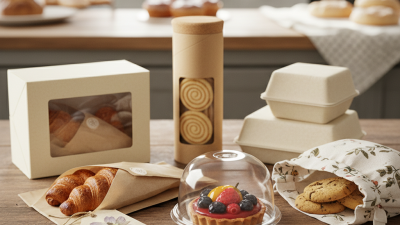
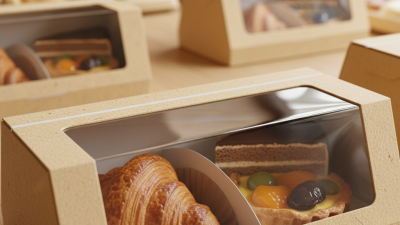
Pastry packaging serves multiple functions. It protects delicate pastries from damage during transport. It also preserves flavor and texture. However, many businesses still underestimate its importance. Some may see it as an additional cost rather than an investment. Without proper packaging, even the finest pastries can lose their appeal. Stale or damaged goods can tarnish a brand's reputation in a heartbeat.

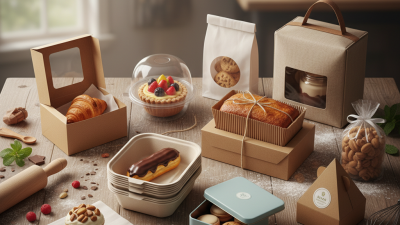
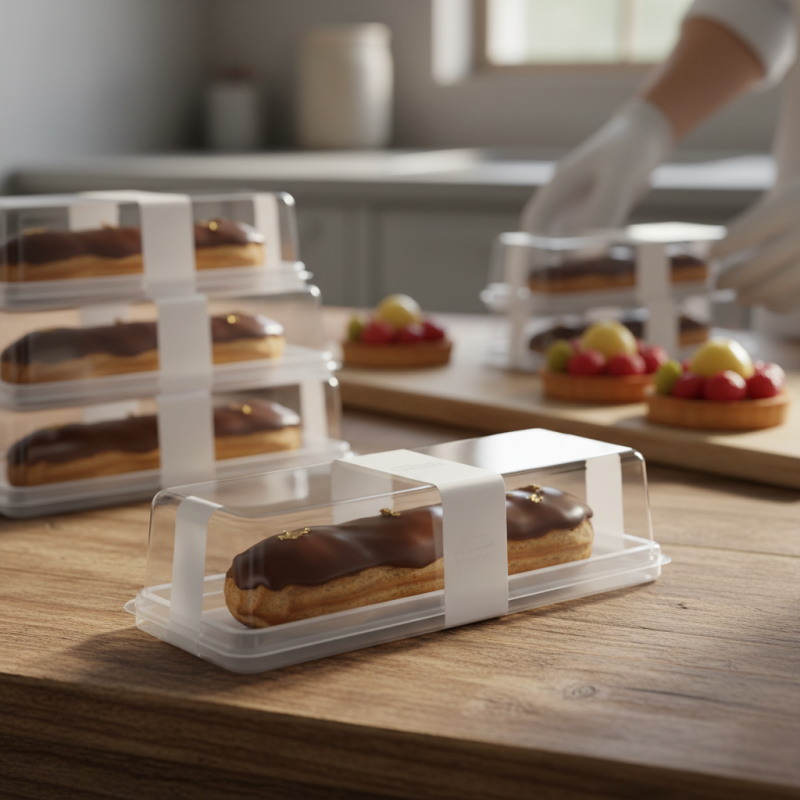
Consider a delightful chocolate eclair. If it's packaged poorly, it may become squished or dry long before reaching the customer. This scenario highlights how pastry packaging goes beyond mere aesthetics. It plays a critical role in maintaining that first bite experience. Businesses must reflect on their current practices. Are they truly prioritizing the quality of their product? The right packaging could be the key to their success.
Why Is Proper Pastry Packaging Essential for Quality and Freshness?

Importance of Proper Pastry Packaging for Quality Maintenance

Proper pastry packaging is crucial for maintaining quality. Studies show that over 70% of consumers prefer fresh pastries. However, improper packaging can lead to staleness and loss of flavor. Air exposure is the enemy. It can dry out pastries in just a few hours.

Using vacuum sealing or airtight containers can significantly extend freshness. A report from the Pastry Institute reveals that vacuum-sealed items can last up to five times longer. Yet, many small producers overlook these methods. They often use plastic wrap or simple boxes, which fail to preserve taste.

Visual appeal also matters. Proper packaging can enhance the eating experience. However, not all designs consider air flow and moisture control. A well-designed package can keep pastries crispy and delicious. Balancing aesthetics with functionality is challenging. Many might do well to revisit their packaging strategies.

Importance of Proper Pastry Packaging for Quality Maintenance

This chart illustrates the impact of different packaging methods on the freshness and quality of pastries over a period of time. As the storage duration increases, proper packaging significantly slows down quality degradation compared to inadequate packaging.

Factors Affecting Freshness in Pastry Products

Proper pastry packaging plays a vital role in maintaining quality and freshness. Several factors affect the freshness of pastry products. Air exposure is one of the biggest culprits. When pastries are left unprotected, they can quickly become stale. Moisture can also ruin the texture, making them soggy or dry. Selecting the right packaging material is essential for preserving flavor and integrity.

Tips: Always choose airtight containers for baked goods. Vacuum sealing is another excellent method. It helps keep moisture and air at bay.

Temperature is a key element too. Pastries should be stored at optimal temperatures. Room temperature is suitable for daily consumption. However, for longer storage, refrigeration or freezing may be necessary. Remember, freezing affects texture. Some pastries do not thaw well, leading to disappointment.

Tips: Wrap pastries tightly before freezing. Use parchment paper to keep layers separate. This small step can make a significant difference upon thawing.

Lastly, ingredients matter. Fresh, high-quality ingredients contribute to longer shelf life. Avoid using expired ingredients. Stale flour or old butter can compromise the entire batch. Taking these aspects into account can enhance the overall pastry experience.

Types of Packaging Materials Suitable for Pastries

When it comes to pastry packaging, material choice plays a critical role. Different types of packaging materials can significantly impact quality and freshness. Studies indicate that improper packaging leads to a 30% increase in spoilage rates. This statistic underlines the need for effective preservation techniques.

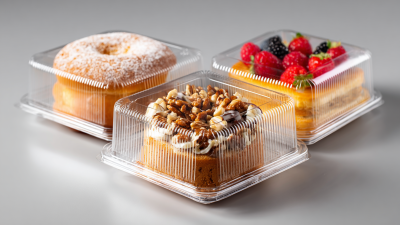
Plastic films are popular due to their barrier properties. They protect against moisture and oxygen. However, inadequate ventilation can lead to sogginess. This dual effect impacts the taste and texture of pastries. A 2022 report suggested that 50% of consumers avoid products with poor packaging. This finding highlights the importance of choosing the right materials.

Paperboard packaging is another viable option. It offers breathability and is recyclable, appealing to eco-conscious consumers. Yet, it may not provide the same level of moisture resistance as plastic options. In some cases, combining materials can yield better results. Packaging designs that allow air circulation can help mitigate moisture retention issues. Balancing quality and sustainability remains a growing challenge in the industry.

Techniques for Effective Pastry Packaging and Storage

Effective pastry packaging is crucial for maintaining quality and freshness. A good package protects pastries from environmental factors. Air exposure and humidity can ruin delicate textures. Use airtight containers or vacuum-sealed bags to safeguard flavors. Some may overlook the importance of temperature control. Keep pastries in a cool, dry place to prevent spoilage. For short-term freshness, consider using paper wraps. They help absorb moisture while allowing pastries to breathe.

Storage techniques also matter. Layer pastries carefully in boxes to avoid crushing. If you're stacking them, use parchment paper between layers. This simple step prevents sticking. Don't rush the packaging process. Hasty wrapping can lead to broken pastries and loss of appeal. Experiment with different materials to find what works best for your treats.

Sometimes, perfect packaging doesn’t guarantee freshness. Pastries can still lose their taste over time. Evaluate your methods and adjust as necessary. Observe how differing environments affect your pastries. Each pastry type may require unique care. Keep refining your techniques to ensure they remain delightful.

Why Is Proper Pastry Packaging Essential for Quality and Freshness?

Packaging Type Impact on Freshness Recommended Storage Conditions Shelf Life
Plastic Wrapping Moderate - maintains moisture Cool, dry place 3-5 days
Airtight Containers High - prevents air exposure Refrigerated 1-2 weeks
Aluminum Foil High - light protection Cool, dark environment 1 week
Wax Paper Low - limited moisture control Room temperature 2-3 days
Vacuum Sealing Very High - eliminates air Freezer 2-3 months

Impact of Packaging on Customer Satisfaction and Sales

Why Is Proper Pastry Packaging Essential for Quality and Freshness?

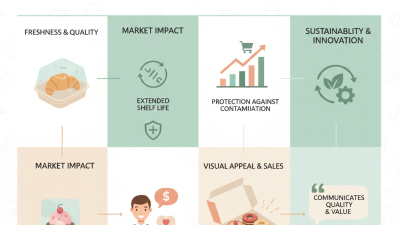
Proper pastry packaging significantly influences customer satisfaction and sales. According to market research, 72% of consumers consider packaging in their purchase decision. A well-designed package can evoke emotions and create anticipation. For instance, vibrant colors and appealing graphics can attract attention on crowded shelves. Simple, functional designs can make the product seem fresh and accessible.

Moreover, 63% of customers believe that packaging quality reflects product quality. If a pastry is poorly packaged, it can lead to a negative perception. A stale item wrapped in flimsy material may turn buyers away. The integrity of flavors and textures is vital. Quality packaging can help maintain freshness, which is essential for pastries. Reports indicate that 60% of customers will prefer products that look fresh and well-packaged.

Yet, many brands overlook these aspects. They focus more on product development rather than packaging. This creates a gap in customer empathy. Packaging should tell a story while serving its function. It’s a critical touchpoint that aids in creating lasting impressions. Ignoring it can lead to missed opportunities for engagement and sales.