
In the world of electronics, the role of a reliable PCB manufacturer cannot be overstated. With the increasing complexity of electronic devices, quality printed circuit boards (PCBs) are essential. Dr. Alice Chen, an expert in PCB manufacturing, emphasizes, “Choosing the right PCB manufacturer can make or break your product.” This highlights the critical nature of selecting a trustworthy partner.
A reliable PCB manufacturer ensures consistent quality. This is vital for maintaining standards in production. However, not all manufacturers offer the same level of service. Some may cut corners, leading to costly failures. Finding a manufacturer that prioritizes quality over cost is essential. This choice affects not just the product but the entire business.
Moreover, the right PCB manufacturer offers support throughout the design and production process. Working with experienced professionals can help avoid errors that might arise during manufacturing. Yet, many businesses overlook this. They underestimate the influence of a manufacturer on their project’s success. Ultimately, a careful selection can lead to innovation and efficiency.
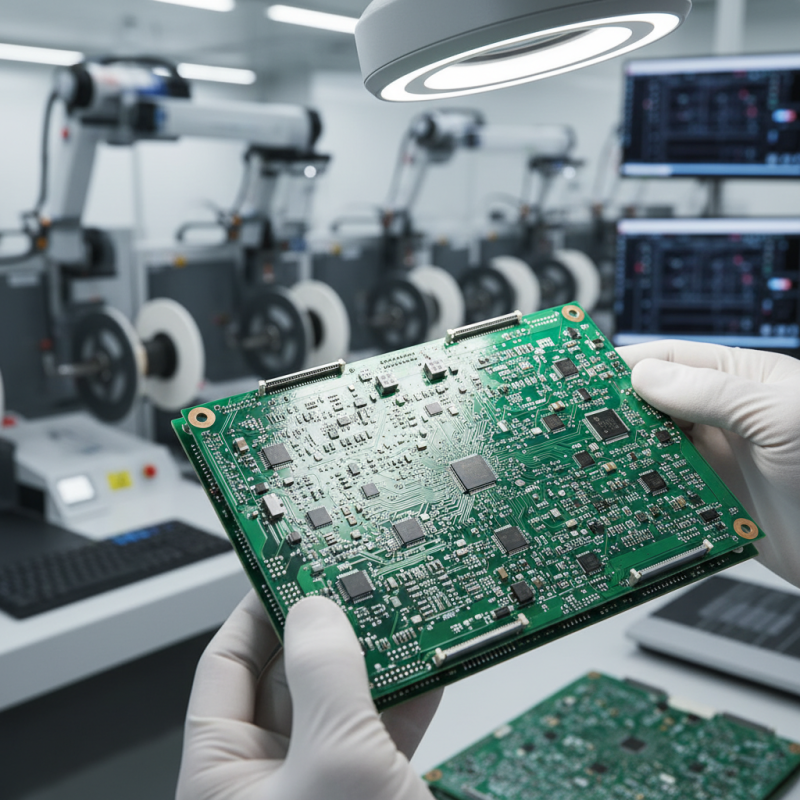
Quality assurance in PCB manufacturing plays a critical role in the success of any electronic project. When components are poorly made, it can lead to device malfunctions. This often results in delays, increased costs, and unhappy customers. A reliable manufacturer understands the importance of maintaining high standards. They invest in regular testing and validation, ensuring that each PCB meets strict requirements.
A manufacturer with strong quality assurance practices can provide detailed reports. These documents can reveal potential weaknesses or areas for improvement. It’s essential to pay attention to these insights. Even minor defects can cause major issues down the line. Using advanced technologies, manufacturers can detect flaws early in the process.
Neglecting quality assurance might seem cost-effective initially. However, the long-term consequences can be devastating. Businesses that choose to cut corners often face higher rates of failure. In the electronics industry, trust is vital. Customers depend on reliable products. PCB manufacturers that prioritize quality assurance build a reputation for excellence. This can ultimately lead to lasting partnerships and business growth.
This bar chart illustrates key quality assurance metrics in PCB manufacturing. It highlights the importance of low defect rates, timely delivery, high customer satisfaction, and compliance with industry standards for a reliable PCB manufacturer.
When choosing a PCB manufacturer, quality stands out as a key factor. A reliable manufacturer ensures that the printed circuit boards meet the required specifications. You need to check their certifications and previous work. This will help you gauge their capabilities and commitment to quality. Don't hesitate to ask for samples. Holding a physical product can reveal a lot.
Another significant factor is the manufacturer’s production capabilities. Some companies may offer low prices but compromise on speed. Delays can harm your project timelines. Ensure that the manufacturer can handle your volume requirements quickly. Clear communication is essential. You want a partner who responds promptly and understands your needs. Miscommunication can lead to costly errors.
It's crucial to consider after-sales support as well. A good manufacturer will assist you even after delivery. They should offer help with any potential issues. Sometimes, you may face unexpected challenges that require immediate attention. Trustworthy manufacturers are willing to provide this support. Balancing these factors can be tricky, but it is essential for your business success.
| Factor | Description | Importance | Considerations |
|---|---|---|---|
| Experience | Years in the industry and expertise level. | High | Check for a proven track record in PCB manufacturing. |
| Certifications | ISO, UL certifications indicating quality standards. | High | Verify current certifications and compliance with industry standards. |
| Technology | Manufacturing capabilities and technologies used. | Medium | Ensure they have modern and advanced manufacturing equipment. |
| Lead Time | Time taken to complete and deliver orders. | High | Ask for typical lead times and options for expedited service. |
| Customer Support | Quality of service and support provided. | Medium | Inquire about the support process and availability. |
| Pricing | Cost-effectiveness of their services. | High | Compare quotes carefully to assess value for money. |
Choosing an experienced PCB manufacturer can greatly enhance business efficiency and product quality. According to industry reports, companies that partner with seasoned manufacturers see a 20% reduction in production costs. These manufacturers understand the nuances of design and assembly, minimizing errors that could lead to costly rework.
Additionally, a reliable manufacturer offers advanced technology and expertise. A recent market analysis indicates that businesses using high-quality PCBs experience 30% fewer product failures. This reliability can lead to improved customer satisfaction and increased trust in your brand.
However, not all manufacturers deliver the same quality. Some might cut corners to save costs, which can compromise the final product. It’s essential to evaluate their track record and customer feedback. Mistakes in PCB production can have lasting impacts, affecting everything from supply chain management to market reputation. Investing time in selecting a trustworthy partner can provide long-term benefits for your business.
In the evolving world of PCB manufacturing, technology plays a crucial role in ensuring reliability. Advanced machinery can significantly reduce defects. According to a recent industry report, manufacturers using automated systems report a 30% decrease in errors. This not only enhances production quality but also boosts overall efficiency.
However, relying solely on technology isn't without challenges. Software glitches and machine malfunctions can still occur. A 2022 survey revealed that 15% of manufacturers faced unexpected downtime due to technology failures. It's essential to have manual checks in place. Sometimes, human oversight can catch what machines miss.
Investing in reliable technology is vital. Companies must stay updated with the latest advancements. Digital twins and AI-driven inspections are promising. A notable study indicated that firms implementing these technologies saw a 25% improvement in product reliability. Yet, even the most advanced tech can falter. Continuous staff training and adaptation remain key to balancing human and machine contributions in manufacturing.
In PCB production, understanding lead times is crucial for any business. Industry experts report that average lead times range from two to eight weeks. This variation depends on factors like the complexity of the design and the materials used. A simple design may be ready within a fortnight, while intricate boards could push delivery to over a month. Unfortunately, delays can occur, impacting project timelines and budgets.
Delivery schedules can also be inconsistent. A recent survey showed that 40% of companies experience unexpected delays in PCB deliveries. This can stem from supply chain disruptions or manufacturing issues. When choosing a manufacturer, it's vital to ask about their typical lead times. Are they reliable? A good manufacturer will provide transparent timelines. They should also have contingency plans for delays.
Quality control plays a significant role in lead times. Inadequate testing can lead to reworks, extending the delivery schedule. On a positive note, the industry is evolving. Many companies now use advanced technologies to streamline production. However, businesses must remain vigilant in tracking their orders. Each delay can lead to unforeseen costs and project setbacks. Careful planning and communication with manufacturers can mitigate these risks.