Why is Sustainability Essential in the Packaging Industry?

Sustainability is becoming a cornerstone of the packaging industry. According to John Smith, a renowned expert in sustainable design, "The future of the packaging industry hinges on our ability to innovate responsibly." This statement underscores the shifting focus of the industry towards more eco-friendly practices.

Every year, millions of tons of packaging waste contribute to a growing environmental crisis. The packaging industry has a crucial role in mitigating this impact. Professionals now prioritize materials that are recyclable, compostable, or biodegradable. As consumers become more environmentally conscious, demand for sustainable options rises.

However, challenges remain. Transitioning to sustainable materials can be costly. Some companies struggle with supply chain logistics. This raises questions about the true commitment to sustainability in the packaging industry. A genuine effort towards sustainability requires collaboration, understanding, and sometimes, tough choices. The path forward is complex but necessary for our planet's health.

Why is Sustainability Essential in the Packaging Industry?

Importance of Sustainability in the Packaging Industry

Sustainability in the packaging industry is crucial for several reasons. A report from Smithers reveals that the global sustainable packaging market is projected to reach $400 billion by 2027. This highlights a growing demand for eco-friendly solutions. Consumers are increasingly opting for brands that prioritize sustainability. In fact, 75% of consumers are more likely to purchase a product with sustainable packaging.

The shift towards sustainable practices helps reduce waste and lower carbon footprints. According to the Ellen MacArthur Foundation, switching to circular packaging systems could save the industry an estimated $700 billion by 2025. However, challenges remain. Many companies struggle with sourcing sustainable materials. The inconsistency in regulations across regions adds complexity to implementation.

While advancements are being made, the journey is not perfect. Educating consumers about recyclable versus compostable packaging remains difficult. Misunderstanding of these terms can lead to improper disposal. Continuous improvements in materials science are needed to provide effective solutions. The transition to a fully sustainable packaging industry will require collaboration and innovation.
Environmental Impact of Traditional Packaging Practices

The packaging industry faces an urgent need to address environmental impacts due to traditional practices. According to a report by the Environment Protection Agency, packaging waste accounts for nearly 30% of landfill materials in the United States. This staggering amount highlights the pressing challenges posed by single-use plastics and non-biodegradable materials. Each year, the production of plastic packaging generates over 100 million tons of greenhouse gases, contributing significantly to climate change.

The lifecycle of traditional packaging also reveals its environmental burden. It requires substantial energy and natural resources, from raw material extraction to manufacturing and disposal. In fact, a study from the Ellen MacArthur Foundation estimated that plastic packaging could contribute to an increase in global warming by 1.5°C by 2050 if current trends continue. The urgency for sustainable alternatives is clear. Recyclable, compostable, and reusable materials can help mitigate these effects. However, the transition is not without its challenges, including the need for infrastructure upgrades and consumer education.

Furthermore, the effectiveness of recycling programs is often overestimated. Nearly 72% of recyclable plastics are not processed due to contamination and inadequate systems. This reality presents a significant roadblock in adopting sustainable packaging solutions. Despite the growing awareness and demand for eco-friendly options, the industry still has much work to do to implement truly sustainable practices.

Why is Sustainability Essential in the Packaging Industry? - Environmental Impact of Traditional Packaging Practices

Packaging Type Environmental Impact (CO2 Emissions per kg) Recyclability (%) Biodegradability (%) Usage (%)
Plastic 6.0 9 0 42
Glass 3.0 80 0 30
Cardboard 1.5 75 75 41
Aluminum 5.0 90 0 25
Bioplastics 4.0 50 90 20

Benefits of Sustainable Packaging Materials

Sustainable packaging materials bring numerous benefits to businesses and the environment. These materials often use renewable resources, reducing reliance on fossil fuels. For example, biodegradable options can break down naturally, unlike traditional plastics that linger for centuries. This shift decreases landfill waste and lowers carbon emissions.


Moreover, sustainable packaging can enhance brand reputation. Consumers today prefer brands that prioritize sustainability. Using eco-friendly materials can attract a loyal customer base. Studies show that nearly 70% of shoppers are willing to pay more for sustainable options. This trend highlights the business advantages of adopting greener practices.


However, challenges remain in sourcing and implementing sustainable materials. Manufacturers may struggle with cost and availability. Some materials can also have performance issues, like durability or shelf life. It is vital for the industry to address these shortcomings. Balancing sustainability with functionality is essential for long-term success. Collaboration and innovation will be key in overcoming these hurdles.

Innovative Technologies Enhancing Sustainable Packaging

Innovative technologies are reshaping the packaging industry. These advancements aim for sustainability while addressing environmental concerns. Biodegradable materials are becoming more common. For example, plant-based plastics reduce reliance on fossil fuels. This shift is crucial as traditional plastics contribute significantly to pollution.

Another exciting development is smart packaging. This technology monitors product conditions in real-time. Sensors can detect spoilage, ensuring minimal waste. It also enhances customer experience. For instance, consumers can quickly see product freshness. This transparency builds trust in brands and their commitment to sustainability.

Recycling processes have also evolved. Advanced sorting techniques increase the efficiency of material recovery. However, not all facilities are equipped for these innovations. This lack highlights the need for industry-wide collaboration. The path to a fully sustainable packaging future requires ongoing reflection and adaptation. Addressing challenges ensures that innovations truly contribute to sustainability.

Growth of Sustainable Packaging Solutions in the Last Decade

The chart above illustrates the market growth of various sustainable packaging solutions from the last decade, showcasing a rising trend towards environmentally friendly materials. As industries evolve, the demand for sustainable packaging options is expected to continue growing, reflecting a significant shift in consumer preferences and environmental awareness.

Regulatory and Consumer Pressures Driving Sustainable Practices

Why is Sustainability Essential in the Packaging Industry?

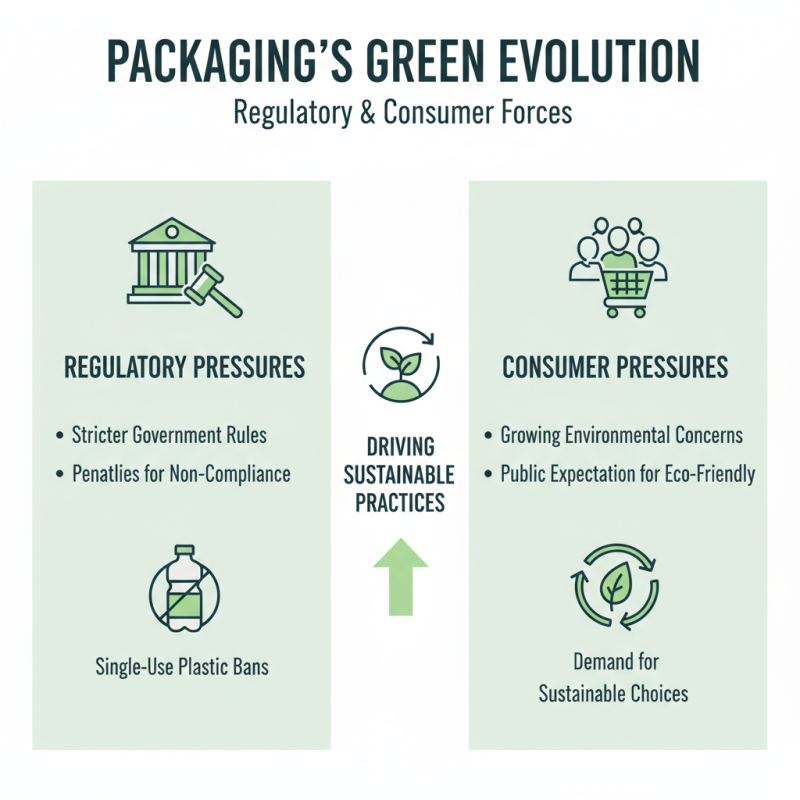
As environmental concerns grow, the packaging industry faces undeniable regulatory and consumer pressures. Governments worldwide are implementing stricter regulations on packaging waste. These rules encourage companies to adopt sustainable practices or face penalties. For instance, reducing single-use plastics is now a common mandate in many regions. Compliance is not just a legal obligation; it's a public expectation as well.

Consumers increasingly prefer brands that prioritize sustainability. A recent study revealed that nearly 70% of shoppers consider eco-friendly packaging when making purchases. This consumer shift means businesses cannot ignore sustainability without risking their market share. To remain competitive, companies must innovate and find alternatives to traditional materials. For example, biodegradable or recycled materials can replace conventional packaging options.

Tips: Consider conducting a sustainability audit for your packaging processes. Identify areas where you can reduce waste. Engage with your suppliers about eco-friendly materials. Many businesses discover that small changes can lead to significant progress. Keep in mind, it may take time to see full benefits. However, the journey toward sustainable packaging is essential for long-term success.