Sustainable food packaging is a growing concern in the food packaging industry. As consumers become more environmentally conscious, businesses must adapt. Packaging plays a crucial role in preserving food quality. It also impacts environmental health significantly. Traditional materials often contribute to waste and pollution.
Many companies are now exploring eco-friendly alternatives. These include biodegradable, compostable, and recyclable materials. However, switching to sustainable options is not always straightforward. Producers face challenges in cost, availability, and performance.
It's essential to strike a balance between sustainability and practicality. This requires collaboration among stakeholders in the food packaging industry. Solutions must be both innovative and accessible. As we move forward, the urgency to adopt sustainable practices cannot be ignored. The health of our planet depends on it.
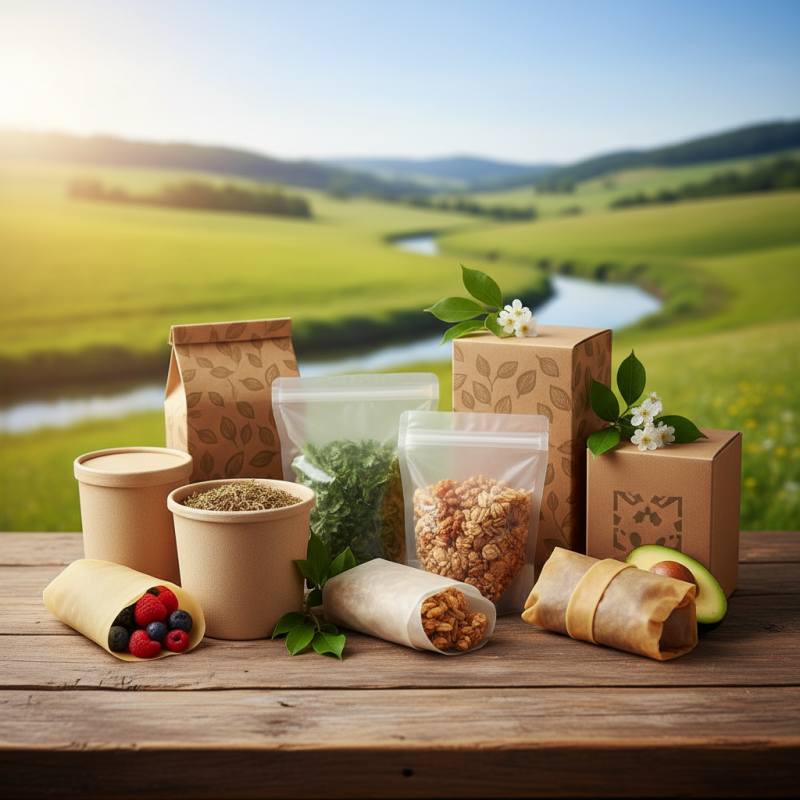
Sustainable food packaging focuses on materials and processes that protect food while minimizing environmental impact. It typically includes biodegradable, recyclable, or compostable options. This approach aims to reduce reliance on single-use plastics, which harm ecosystems and contribute to landfill waste.
The importance of sustainable packaging extends beyond environmental benefits. It reflects growing consumer demand for eco-friendly practices. Businesses adopting sustainable methods can gain a competitive advantage. However, achieving effective sustainable packaging can be challenging. Not all materials are cost-effective or practical for mass production.
Choosing the right sustainable option requires careful consideration. Companies must balance functionality with sustainability. Feedback from customers can guide these decisions. Moreover, the industry must continuously innovate to improve the effectiveness of sustainable packaging solutions. This journey toward sustainability invites reflection on past practices.
Traditional food packaging practices have significant environmental impacts. A 2022 report from the Food Packaging Forum highlights that packaging waste contributes to over 30% of global plastic waste. This waste often ends up in landfills and oceans, leading to pollution and harming marine life. Moreover, the production of plastic packaging consumes vast amounts of fossil fuels, emitting greenhouse gases that exacerbate climate change. Every year, around 300 million tons of plastic are produced, revealing the scale of the problem.
The reliance on single-use plastics creates a cycle of waste. A study by the Ellen MacArthur Foundation noted that only 9% of plastic is ever recycled. Many materials end up being incinerated or discarded improperly, further polluting our environment. Communities near landfills face health risks due to toxic substances leaching into groundwater. This shows an urgent need for the food industry to rethink packaging approaches. Transitioning towards sustainable alternatives can mitigate these effects and foster a healthier planet. The shift is not just beneficial; it’s essential for the future of our food systems.
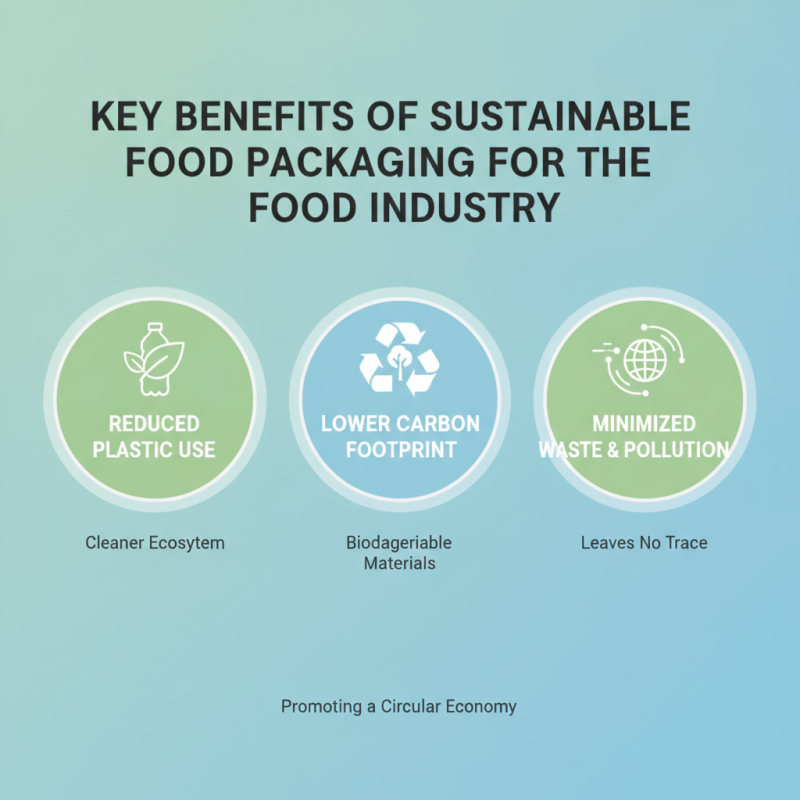
Sustainable food packaging is becoming a focal point for the food industry. It addresses waste and environmental concerns, crucial issues today. This packaging reduces plastic use, promoting a cleaner ecosystem. By choosing biodegradable materials, companies can minimize their carbon footprint. Imagine a world where packaging disappears, leaving no trace behind.
Local sourcing of packaging materials can also benefit economies. This practice supports small businesses and reduces transportation emissions. However, not all alternatives are perfect. Some biodegradable options might still require specific conditions to break down. Educating consumers about this is vital. They must understand the impact of their packaging choices.
Moreover, sustainable packaging can enhance brand reputation. Consumers increasingly prefer companies that prioritize the environment. This shift in consumer behavior drives brands to innovate. But, companies must balance sustainability with cost. It raises questions about trade-offs. Are we sacrificing quality for environmental benefits? Such discussions are important for the industry to reflect on.
Sustainable food packaging is more than a trend; it's becoming a necessity in the industry. Innovative materials, like bioplastics and mushroom-based packaging, are changing the landscape. According to recent studies, more than 60% of consumers prefer products with sustainable packaging. This shift challenges manufacturers to adapt quickly.
The use of biodegradable materials can drastically reduce landfill waste. For instance, a report by the Ellen MacArthur Foundation states that transitioning to sustainable packaging could cut down plastic pollution by 80% by 2040. New technologies, such as edible packaging made from seaweed or rice, are also emerging. These not only offer a practical solution but can also add value to the product experience.
**Tip:** Prioritize local sourcing for packaging materials. This minimizes carbon footprints and supports local economies.
However, the development of sustainable packaging isn't without its challenges. Costs can be higher than conventional packaging. Many companies are still exploring viable options that balance sustainability and affordability.
**Tip:** Engage with suppliers who specialize in eco-friendly materials. They can provide insights that bridge the gap between sustainability and cost-efficiency.
As the industry evolves, continuous innovation is essential. The goal isn't just to meet consumer demand but to create a circular economy where packaging is reused or recycled efficiently.
This bar chart illustrates the growth of the sustainable food packaging market from 2018 to 2023, highlighting the increasing investment in innovative materials and technologies.
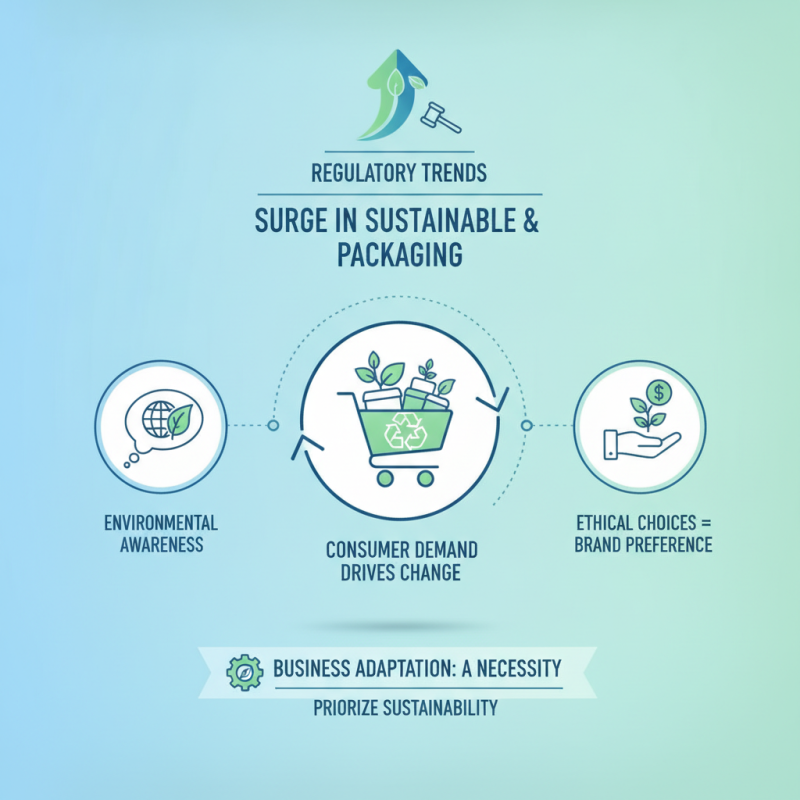
Consumer demand for sustainable food packaging has surged in recent years. More people are aware of environmental issues. They seek eco-friendly alternatives. This shift forces businesses to adapt quickly. The stakes are high, as customers increasingly prefer brands that prioritize sustainability. It's no longer just about convenience; ethics play a role too.
Regulatory trends reflect changing priorities. Governments worldwide are establishing stricter guidelines. These laws push companies towards sustainable practices. In many regions, single-use plastics are being phased out. Brands must comply or risk penalties. The challenge lies in finding suitable materials. Some innovations like biodegradable options show promise. Yet, they often come with higher costs.
Balancing sustainability with affordability is a complex task. Companies might struggle to maintain profit margins while going green. Consumers also have mixed feelings. Some are willing to pay more for sustainable products, while others are not. This creates a dilemma for businesses. They need to find ways to educate consumers about the importance of sustainable choices. Building trust will be crucial in navigating this evolving landscape.