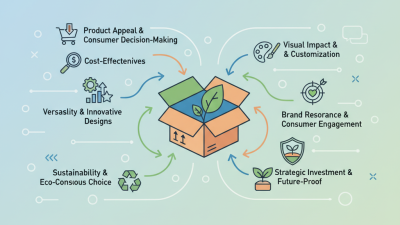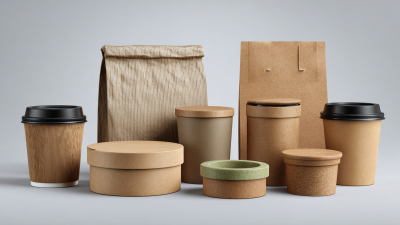
Choosing the right food packaging materials is crucial for businesses today. The global food packaging market was valued at over $300 billion in 2023, according to industry reports. This growth emphasizes the importance of material selection. Sustainable options, such as biodegradable materials, are in high demand. In fact, 45% of consumers prefer products with eco-friendly packaging.
Businesses face challenges in balancing cost and quality. Some materials may be cheaper but offer inadequate protection. This can lead to food spoilage and waste. Reports indicate that improper packaging contributes to 30% of food waste. Companies need to assess both the environmental impact and the effectiveness of their chosen materials.
Ultimately, the decision on food packaging materials affects brand reputation and customer satisfaction. It's not just about functionality; aesthetics and safety play essential roles. Choosing wisely involves ongoing reflection on market trends and consumer preferences. Companies should stay informed to adapt to ever-changing demands.
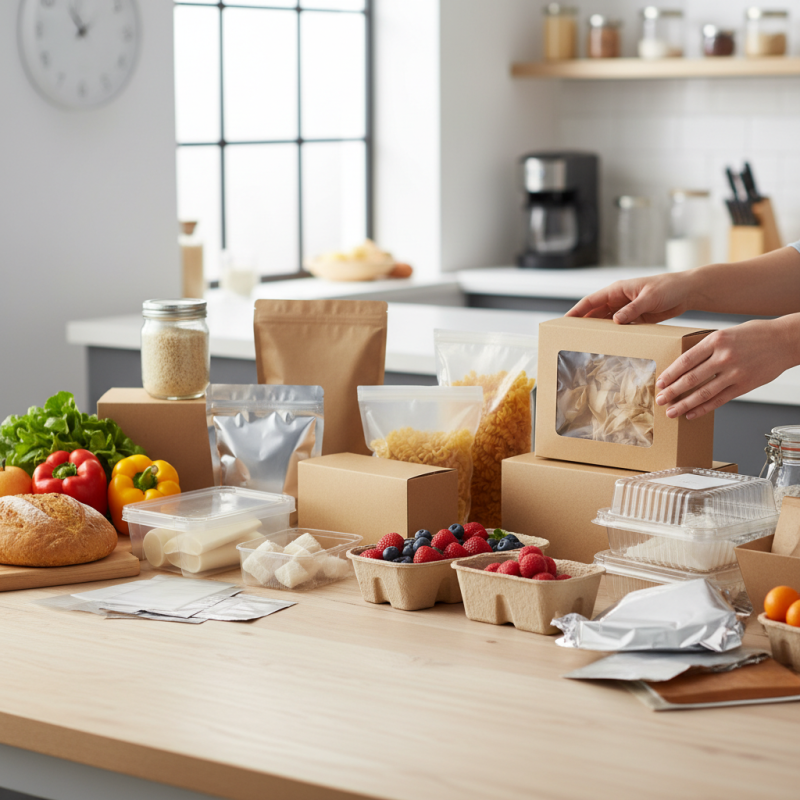
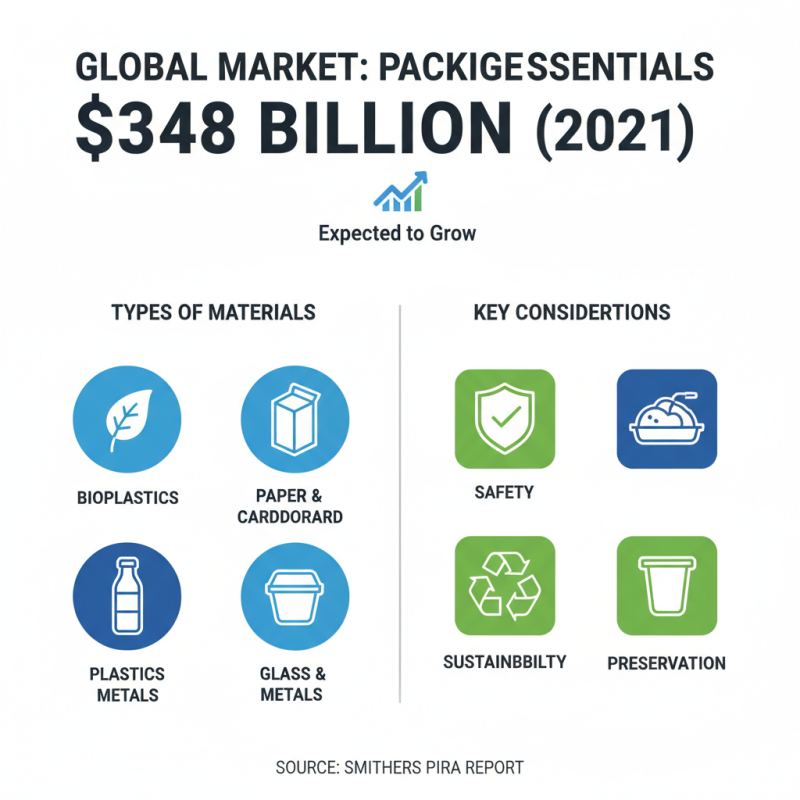
When selecting food packaging materials, it's crucial to understand the various types available. According to a report by Smithers Pira, the global food packaging market was valued at approximately $348 billion in 2021, and it is expected to grow. This highlights the importance of choosing the right packaging for both safety and sustainability.
Materials range from plastics and glass to metals and paper. Each type has unique properties. For instance, glass is highly recyclable and impermeable, preserving food quality. However, it is heavy and susceptible to breakage. On the other hand, many plastics can leach chemicals over time. This can affect food safety. Knowing these nuances is vital for informed choices.
Tips for choosing food packaging include considering the environmental impact. Look for recyclable options. Studies show that over 80% of consumers prioritize eco-friendly packaging. Additionally, analyze the shelf-life requirements of your product. Not all materials support long-term freshness. Balancing durability with sustainability is a challenge, but it's necessary for modern packaging demands.
When evaluating food packaging materials, safety and compliance are paramount. The Global Food Safety Initiative (GFSI) reported that 25% of food safety incidents can be traced back to packaging failures. This statistic underlines the importance of selecting materials that meet strict safety standards. For instance, materials should comply with regulations like FDA guidelines and EU regulations on food contact substances. These standards help prevent contamination and ensure consumer protection.
The choice of packaging also impacts sustainability. A 2021 study by the European Commission indicated that about 30% of all plastic waste comes from food packaging. Brands are under pressure to adopt recyclable and biodegradable materials. Yet, there is a gap in understanding what "biodegradable" really means. Many consumers assume all biodegradable materials dissolve quickly, but that isn't always true. Packaging could take years to decompose under the wrong conditions.
Additionally, consider potential chemical leaching from packaging into food products. A report from the World Health Organization highlighted concerns about certain chemicals—like bisphenol A (BPA)—in food packaging. Research shows BPA can disrupt endocrine functions, leading to health issues. This means careful evaluation of packaging materials is essential. Decision-makers must weigh safety, sustainability, and health impacts together, which can be a challenging task.
When selecting food packaging materials, the environmental impact is a crucial factor. Many options are available, but not all are eco-friendly. For instance, plastic, while convenient, often ends up in landfills. This contributes significantly to pollution. The challenge lies in finding alternatives that are both practical and sustainable.
Biodegradable materials can be a viable option. They break down over time, reducing waste. However, they may not be as sturdy as traditional plastics. This compromises the safety and quality of food. Recyclable materials provide another solution but require proper disposal systems. If consumers do not recycle, the benefits are lost.
Consider the life cycle of packaging. From production to disposal, each step has environmental consequences. Transporting materials also adds to carbon emissions. Consumers should question if a product's convenience is worth the environmental cost. Reflecting on these aspects can lead to more responsible choices when it comes to food packaging.
This chart represents the estimated carbon footprint (in kg CO2e per kg of material) of various food packaging materials, helping to inform sustainable choices.
Choosing the right food packaging materials requires careful consideration of both cost and quality. It can be a challenging balance to strike. While lower-cost options may seem tempting, they often compromise product integrity. High-quality materials may be pricier, but they provide better protection and enhance consumer trust.
When selecting packaging, consider the environmental impact as well. Many cost-effective materials are not eco-friendly. Shoppers today prioritize sustainability. Using recyclable or biodegradable options might be more costly initially, but they can improve brand loyalty in the long run.
Here are some tips for finding that balance: Assess all material properties. Think about durability, barrier function, and shelf life. Test various samples with your products. This step is crucial for ensuring that the packaging meets quality standards. Lastly, consider your target market's preferences. Their values can influence what they are willing to pay.
| Material Type | Cost per Unit | Shelf Life | Sustainability Rating | Recommended Uses |
|---|---|---|---|---|
| Plastic | $0.05 | 12 months | Low | Snacks, Liquids |
| Glass | $0.30 | 24 months | High | Beverages, Jams |
| Metal | $0.20 | 36 months | Medium | Canned Foods, Soups |
| Biodegradable | $0.15 | 6 months | High | Takeout, Produce |
| Paper | $0.10 | 8 months | Medium | Bakery, Dry Goods |
Food packaging plays a crucial role in preserving freshness and extending shelf life. A report from the Food and Agriculture Organization reveals that about one-third of food produced globally is wasted. Improper packaging contributes significantly to this waste. Effective materials can drastically reduce spoilage rates, which can vary from 10% to 30% depending on the food type.
Choosing the right packaging material is key. For example, vacuum-sealed bags can double the shelf life of meats. Similarly, breathable materials can enhance the longevity of fruits and vegetables. However, the industry struggles with balancing cost and effectiveness. Some materials may seem cheaper up front but lead to higher spoilage rates long-term. The challenge lies in finding solutions that prevent food waste while being economically viable.
Additionally, consumers are increasingly concerned with sustainability. The demand for eco-friendly packaging is growing, with a study indicating 66% of consumers willing to pay more for sustainable options. Yet, this often leads to compromises in shelf life. Brands must constantly innovate, ensuring their packaging protects food effectively while addressing environmental concerns. Reflecting on this, it's clear that the food packaging industry has room for improvement and innovation.