What Are the Top 10 Packaging Companies in China?
China’s packaging market is broad, fast-moving, and closely tied to manufacturing, e-commerce, food, and consumer goods. For buyers, choosing a supplier means looking beyond an attractive sample. A carton must survive stacking and delivery. A flexible pouch needs dependable seals and clear printing. Small details can shape product protection, costs, and customer experience.
This guide explores ten prominent companies in China’s packaging industry and the strengths that may distinguish them. It considers factors such as product range, manufacturing focus, industry experience, and publicly available company information. That matters. A company suited to luxury boxes may not meet the needs of a high-volume food producer. Nor does a large factory automatically make the right partner for every project.
The list is intended as a practical starting point, not a universal ranking. Company capabilities, certifications, and service coverage can change, so buyers should verify current details directly before making decisions. Not every supplier fits. Regional access, order size, material requirements, and communication standards may also affect the outcome. Some comparisons are imperfect because public information does not always reveal production consistency or after-sales support. A careful review should include samples, specifications, timelines, and clear quotes. With that context, the following overview can help readers identify potential partners and ask better questions.
China’s Packaging Industry: Scope, Segments, and Market Role
What Are the Top 10 Packaging Companies in China?
China’s Packaging Industry: Scope, Segments, and Market Role
China’s packaging industry covers far more than boxes. It includes paperboard cartons, flexible films, glass containers, metal cans, labels, and protective materials. These products serve food, beverages, household goods, electronics, and healthcare supply chains. The boundaries are not always neat: some manufacturers make packaging, while others also provide printing, filling, or logistics services.
Different materials solve different problems. A corrugated carton cushions appliances during shipping; a sealed pouch can help protect dry foods from moisture. Paper and plastic formats are not interchangeable, and their environmental impact depends on design, collection, and local processing. There is no simple material winner.
The sector matters because packaging connects factories with retailers and consumers. It can reduce transit damage, carry handling information, and help products stay usable. Yet material costs, changing customer preferences, and recycling infrastructure can shape which formats are practical. Company rankings also depend on what is measured: sales, production capacity, or a specific packaging segment. Comparisons need care. The numbers can mislead.
China’s Packaging Industry: Scope, Segments, and Market Role
Operating revenue of packaging enterprises above the designated size, 2019–2023
Revenue provides a broad measure of the industry’s economic scale across packaging segments. The figures cover enterprises above the designated size, not the entire market, and do not rank individual companies.
Source: China Packaging Federation; values shown in trillion yuan.
How the Top 10 Packaging Companies Were Selected
What Are the Top 10 Packaging Companies in China?
How the Top 10 Packaging Companies Were Selected
A useful ranking needs more than impressive sales figures. China Packaging Federation data put 2023 operating revenue for above-designated-size packaging firms at roughly RMB 1.15 trillion. That figure shows the sector’s scale, but it does not identify which suppliers perform best. We would compare verified revenue, production capacity, export experience, delivery reliability, and product quality. Evidence should come from audited reports, factory records, and relevant certification documents, not promotional claims.
Smithers’ 2023 study, The Future of Global Packaging to 2028, estimated the global packaging market at about US$1.17 trillion in 2023. This context highlights why material range and manufacturing consistency matter. A supplier making cartons, flexible packs, or protective components should be assessed against its own category. Environmental reporting also deserves scrutiny: check whether recycled-content or waste-reduction claims include measurable, independently supported data. No scorecard is perfect. Public disclosures differ, and smaller firms may publish less information.
Tips: Ask for recent quality-control records and samples from actual production runs. Compare quoted lead times with documented delivery performance. A polished sample is useful, but it cannot show how a factory handles a full order.
| What Are the Top 10 Packaging Companies in China? - How the Top 10 Packaging Companies Were Selected |
| Editorial selection framework: candidates are assessed using documented, comparable evidence. The weights below are evaluation criteria, not company-specific results or an independently verified ranking. |
| Selection Criterion |
Weight |
Evidence to Review |
How It Is Assessed |
| Business scale and operating capacity |
15% |
Published annual reports, audited financial statements, and disclosed production capacity |
Compare available revenue, output, and operating-capacity information across the same reporting period. |
| Product and packaging-format range |
12% |
Company product information and filings describing packaging formats and materials |
Assess the range of packaging categories served, such as paper-based, flexible, rigid, and protective packaging. |
| Manufacturing and quality systems |
12% |
Facility disclosures and valid, independently verifiable management-system certificates |
Review the documented scope of quality systems, including ISO 9001 certification where applicable. |
| Customer-sector diversification |
10% |
Public disclosures about served industries and customer-sector mix |
Consider whether activity spans multiple sectors rather than relying on one disclosed end market. |
| Geographic and export reach |
10% |
Annual reports and other disclosures on domestic operations, overseas facilities, or exports |
Evaluate the geographic breadth of operations using only publicly documented information. |
| Research, development, and innovation |
10% |
R&D expenditure disclosures, patent records, and documented product or process development |
Review evidence of sustained development activity; treat patent counts as supporting evidence, not a stand-alone measure. |
| Environmental management and material responsibility |
10% |
Sustainability reports, environmental disclosures, and relevant certification records |
Assess disclosed environmental management practices and material-sourcing information. ISO 14001 and FSC chain-of-custody certificates are relevant only within their stated scopes. |
| Regulatory and disclosure transparency |
8% |
Company filings, audited reports, and clearly dated public disclosures |
Give greater confidence to information that is traceable, current, and consistent across sources. |
| Operational footprint |
7% |
Disclosed manufacturing sites, distribution facilities, and regional coverage |
Compare the documented footprint and its relevance to serving customers across China. |
| Business resilience and performance consistency |
6% |
Multi-year financial statements and disclosures on material business changes |
Review performance over several reporting periods and note major changes that affect comparability. |
| Total weighting |
100% |
Scores should be based on dated, verifiable evidence and compared using consistent definitions. |
Profiles of the Top 10 Packaging Companies in China
China’s packaging leaders are best compared by material expertise, scale, and customer fit—not by a single public ranking. The China Packaging Federation reported that large-scale packaging enterprises generated about RMB 1.16 trillion in operating revenue in 2023. That figure covers a broad industry, not just the ten largest companies. With company names omitted, these profiles describe capability types rather than a verified league table.
A corrugated-board producer serves warehouses and online orders with sturdy shipping cartons. A folding-carton specialist supplies crisp print and tight tolerances for retail shelves. A flexible-packaging converter runs thin films and high-speed printing lines. A glass-container maker focuses on bottle strength and furnace efficiency. A metal-packaging producer forms cans and closures. A molded-pulp supplier turns recovered fiber into protective trays. An adhesive-label converter handles small text and curved surfaces. A rigid-plastics producer molds tubs and protective components. A paperboard mill supplies roll stock to downstream converters. An integrated packaging group combines design, materials, and delivery.
The distinctions matter. A buyer may need clean cut edges, reliable color matching, or cartons that survive a damp loading dock. Company-level capacity and environmental data are not always directly comparable. That is a real limitation. The federation’s revenue figure is useful context, but it does not prove quality or sustainability; purchasers should check audited disclosures, sample performance, and delivery records.
Industry Trends Shaping China’s Packaging Companies
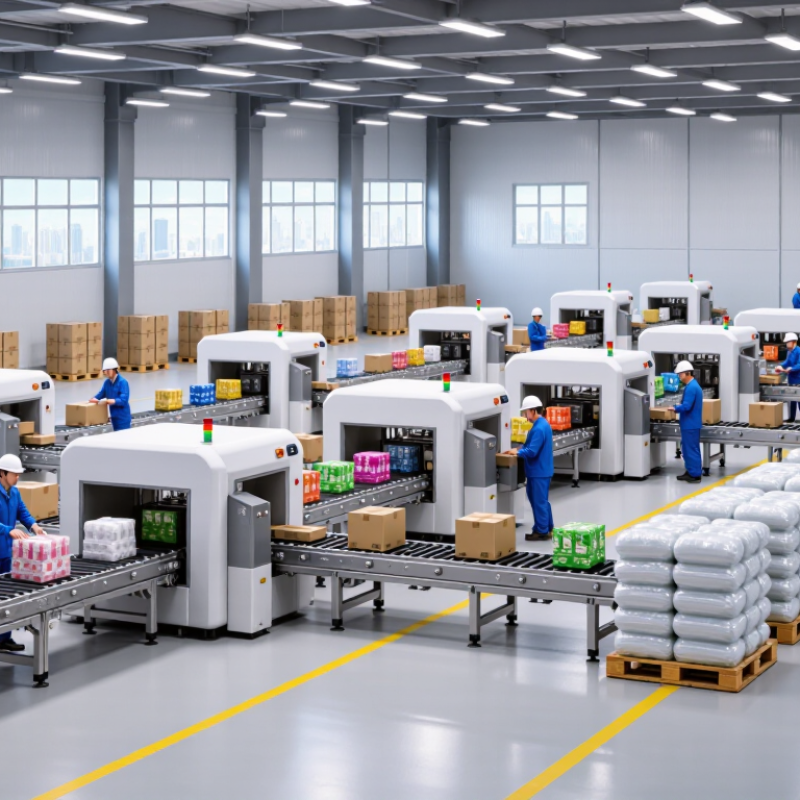
China’s packaging sector is being reshaped by e-commerce growth, cost pressure, and demands for more efficient materials. The State Post Bureau recorded 132.07 billion express parcels in 2023, up 19.4% year on year. That volume encourages lighter cartons, right-sized boxes, and quicker production changeovers. Less empty space can mean less filler and lower shipping weight. China Packaging Federation statistics put revenue for above-designated-scale packaging firms at about RMB 1.15 trillion in 2023, down 0.22%. Growth is not automatic. Procurement teams still track material use and production delays closely.
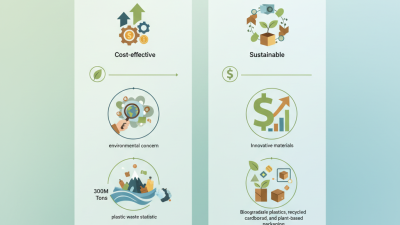
Sustainability is influencing packaging design, though practical trade-offs remain. The OECD’s Global Plastics Outlook (2022) estimates that packaging generated about 40% of global plastic waste in 2019. In response, manufacturers are testing recyclable, single-material structures and recycled content. Paper is not a magic fix. Moisture resistance and heavier transport weight can limit its value in some applications. Automation and inspection sensors can also reduce defects, but equipment upgrades require investment. At the packing line, even a poorly sized carton can waste board and slow sealing. The direction is clear; the best material choice is not.