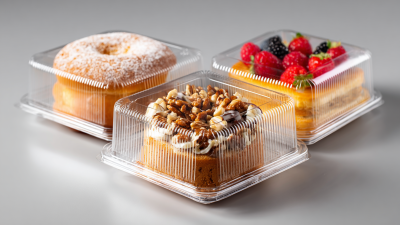
In the competitive landscape of the food industry, the presentation and preservation of products are crucial for capturing consumer interest and ensuring business growth. One of the most effective ways to enhance the appeal of your food offerings is through the strategic use of food packaging boxes. These boxes do not merely serve the basic function of containing products; they play a vital role in branding, safety, and customer experience.
Food packaging boxes offer numerous benefits that can significantly contribute to your business success. By investing in high-quality packaging, businesses can create a strong visual identity, making their products immediately recognizable to consumers. Furthermore, well-designed packaging safeguards food items from contamination and spoilage, enhancing product longevity and maintaining freshness. This protective nature is especially important in today’s health-conscious market, where consumers seek assurance about the safety of their food choices.
Additionally, food packaging boxes can facilitate convenience and portability, making it easier for customers to carry and consume food on the go. The importance of packaging in influencing purchasing decisions cannot be overstated; engaging and functional food packaging can encourage repeat purchases and foster customer loyalty. In summary, leveraging the potential of food packaging boxes is essential for any food business aiming to thrive in a dynamic marketplace, making it an investment that pays dividends in numerous ways.
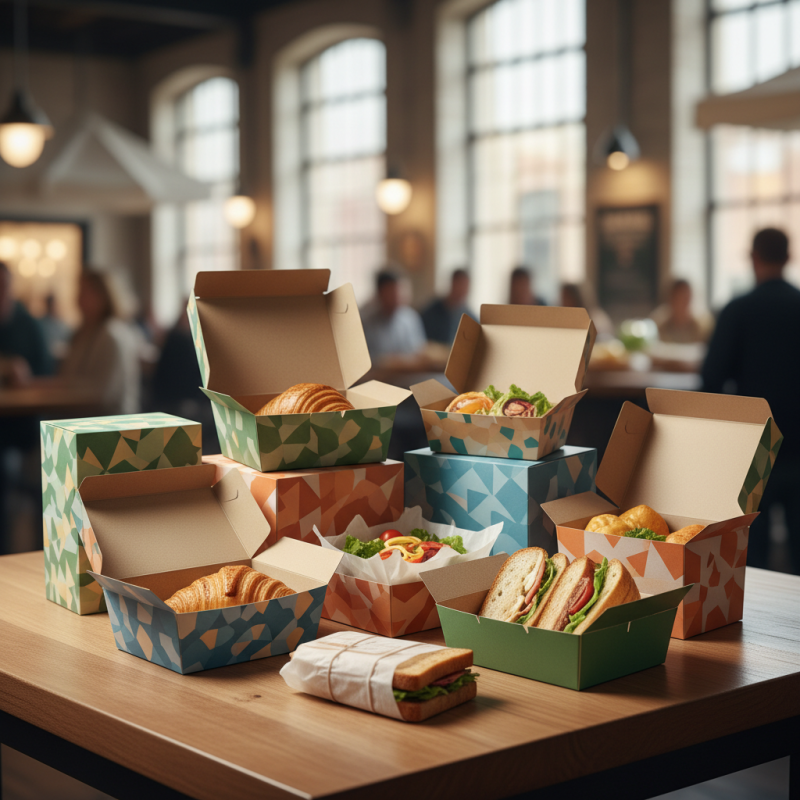
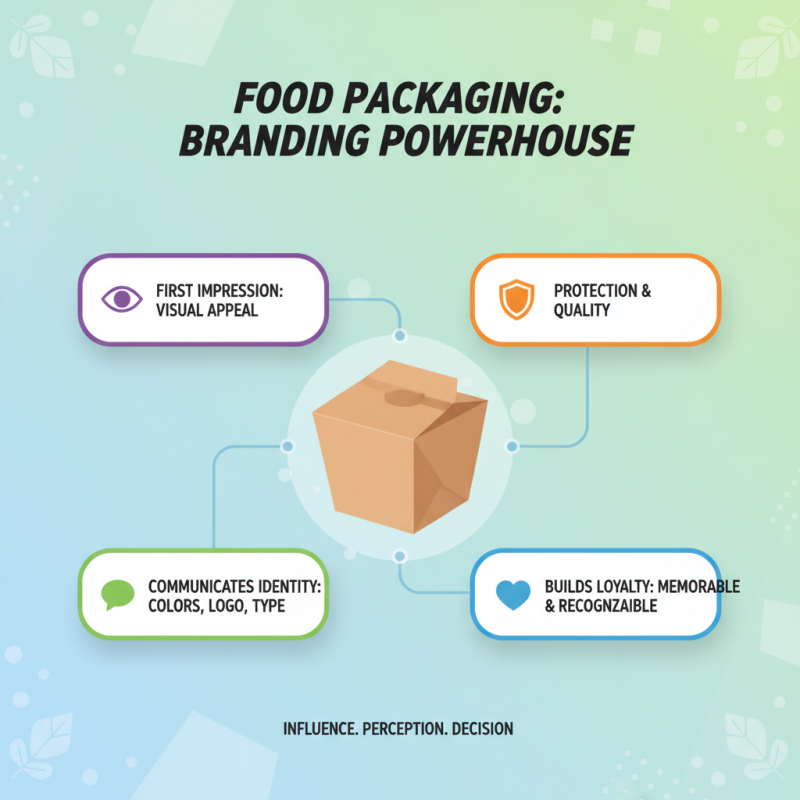
Food packaging boxes play a critical role in branding and marketing, serving as the first point of interaction between a product and potential customers. The visual appeal of packaging can significantly influence consumer perceptions and decisions. A well-designed box not only protects the food but also communicates the brand’s identity, values, and quality. By incorporating distinctive colors, logos, and typography, food packaging can create a memorable impression that resonates with consumers, fostering brand loyalty and recognition.
Moreover, food packaging boxes can be effectively used to convey important messages about the product, such as its ingredients, nutritional benefits, and sustainability practices. This transparency can enhance consumer trust and appeal to a growing market segment that prioritizes health and environmental consciousness. Additionally, innovative packaging designs can create a unique unboxing experience, encouraging customers to share their experiences on social media, further amplifying the brand’s reach and visibility. Thus, investing in high-quality food packaging is not only essential for product protection but also a strategic move to enhance branding and marketing efforts.
Food packaging boxes are essential in preserving the quality and freshness of food products. They serve as a barrier against environmental factors that can lead to spoilage or contamination. By utilizing materials that are resistant to moisture, air, and light, these boxes help maintain the integrity of the food inside. This level of protection not only extends the shelf life of products but also enhances customer satisfaction, as consumers receive items that meet their expectations in terms of quality and taste.
Moreover, effective food packaging boxes contribute to better logistics and handling during transportation. The structural strength of these packaging solutions ensures that products remain intact throughout transit, minimizing the risk of damage. This is particularly vital for perishable goods, where even slight exposure to unfavorable conditions can compromise freshness. By investing in high-quality packaging, businesses can significantly reduce waste due to spoilage, ultimately translating to increased profitability and a stronger market presence.
| Benefit | Description | Impact on Business |
|---|---|---|
| Product Protection | Food packaging boxes shield food items from physical damage and contamination. | Minimized loss and returns due to damaged products. |
| Freshness Retention | Packaging helps in preserving the quality and freshness of food items. | Increased customer satisfaction and repeat purchases. |
| Brand Image | Well-designed packaging enhances brand reputation and visibility. | Improved market presence and customer loyalty. |
| Convenience | Easy-to-use packaging improves the consumer experience. | Higher sales due to increased customer engagement. |
| Sustainability | Eco-friendly packaging options appeal to environmentally conscious consumers. | Attracts a growing market segment focused on sustainability. |
Custom food packaging solutions offer remarkable cost-effectiveness for businesses in the food industry. By investing in packaging that is tailored to your product, you can significantly reduce material waste and transportation costs. Custom packaging often uses materials that can be designed for efficient stacking and storage, which optimizes space utilization both in transit and on retail shelves. This means lower shipping expenses as well as reduced storage fees, contributing directly to your business’s bottom line.
Tip: Consider using eco-friendly packaging materials. Not only can these often be obtained at competitive prices, but they also attract environmentally conscious consumers, adding value to your brand while keeping costs manageable.
Moreover, well-designed food packaging can enhance brand recognition and customer loyalty. With your unique branding prominently displayed, packaging becomes a marketing tool that communicates your business’s values and quality. By avoiding generic packaging solutions, you create a strong visual identity that resonates with your target audience, potentially leading to increased sales without incurring substantial marketing costs.
Tip: Test various designs to determine which resonates most with your customers. Engaging with your audience through surveys or social media can provide insights into design preferences, allowing you to make informed decisions that enhance both your packaging appeal and cost-effectiveness.
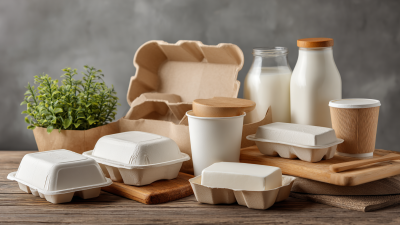
The growing emphasis on sustainability in food packaging is reshaping the way businesses operate, with substantial implications for their success. A recent report by Smithers Pira indicates that the global green packaging market is projected to reach $500 billion by 2027. This surge is driven by heightened consumer awareness and demand for eco-friendly products, compelling businesses to adopt sustainable packaging solutions. Companies utilizing biodegradable or recyclable materials not only contribute to environmental preservation but also enhance their brand image, meeting the expectations of increasingly conscientious consumers.
Moreover, sustainable food packaging has been shown to positively impact a company’s bottom line. According to a Nielsen study, 66% of consumers are willing to pay more for products packaged sustainably. This shift in consumer preference signifies a lucrative opportunity for businesses to differentiate themselves in a crowded marketplace. In addition to enhancing customer loyalty and attracting new clientele, implementing sustainable practices can often lead to reduced production costs in the long run due to efficiencies and lower material expenses. By aligning with sustainability trends, businesses not only contribute to a healthier planet but also position themselves for long-term profitability and growth.
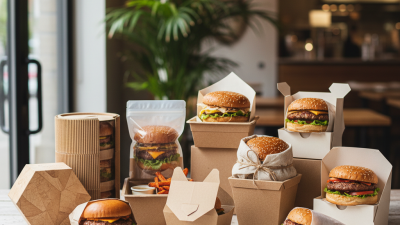
The design of food packaging plays a pivotal role in shaping consumer perception and preference. When potential customers encounter a product on the shelf, the packaging is often the first element they notice. A well-crafted design can convey quality, freshness, and trustworthiness, which can significantly influence a buyer's decision. Eye-catching colors, innovative shapes, and informative graphics not only attract attention but also communicate the brand's values and promises. Consumers are more likely to choose products that feature packaging they find visually appealing and easy to understand.
Moreover, packaging design can evoke emotions and create a connection between the consumer and the product. Elements like sustainable materials or minimalist designs can appeal to eco-conscious shoppers, while bold, vibrant designs may attract a younger audience seeking excitement. The packaging not only protects the food but also serves as a storytelling medium that informs consumers about the product's origins, ingredients, and benefits. This layer of communication enhances the overall experience and helps build brand loyalty, as customers feel more engaged with products that resonate with their preferences and values.