Top 10 Burger Packaging Solutions for Global Buyers?

In the growing fast food industry, effective burger packaging plays a vital role. According to a recent report by Smithers Pira, the global packaging market for food is projected to reach $500 billion by 2024, with burgers being a key segment. Consumers increasingly prefer sustainable packaging solutions. This shift challenges brands to innovate while maintaining functionality.

While traditional packaging offers convenience, it often fails in sustainability. Many companies struggle to balance cost and environmental impact. This creates gaps in the market, leaving room for new ideas. A notable rise in biodegradable packaging has emerged as a response to consumer demands. Brands that adapt their burger packaging strategies can outperform competitors.

Additionally, quality packaging not only preserves the product's integrity but also enhances the overall customer experience. Reports indicate that well-packaged burgers can increase perceived value. Yet, finding the right materials remains a hurdle. This landscape makes it essential to explore the top burger packaging solutions available to global buyers.
Top 10 Burger Packaging Solutions for Global Buyers?

Overview of Burger Packaging Solutions in the Global Market

The global market for burger packaging solutions is rapidly evolving. According to a recent report by MarketsandMarkets, the food packaging market is projected to reach $1 trillion by 2024. This growth reflects an increasing demand for sustainable and efficient packaging options. Many manufacturers are recognizing the need for eco-friendly materials. This shift is vital as environmental concerns continue to rise.

A key trend in the industry is the use of biodegradable materials. This aligns with consumer preferences for sustainability. The global biodegradable packaging market is expected to achieve a compound annual growth rate (CAGR) of 14.5% from 2022 to 2027. However, not all biodegradable options meet the necessary durability for food safety. Some products fail to provide adequate moisture barrier properties, leading to potential spoilage. Companies need to balance sustainability with functionality.

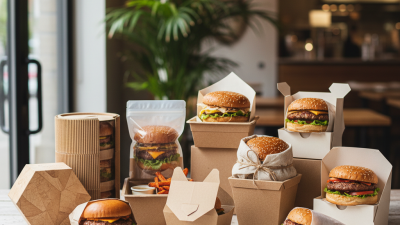
Moreover, innovative designs are changing how burgers are presented. Packaging not only serves a protective function but also enhances consumer experience. Engaging designs can improve brand visibility. However, the challenge lies in creating designs that are both eye-catching and practical. Ensuring the efficiency of the supply chain is another critical factor. Poor packaging can lead to increased food waste, stressing logistic networks. Each of these elements requires careful consideration within the global burger packaging landscape.

Criteria for Selecting Effective Burger Packaging Solutions

When selecting effective burger packaging solutions, buyers should prioritize materials that preserve freshness. Packaging should be lightweight yet durable, ensuring protection during transit. Compostable and recyclable options are increasingly popular due to environmental concerns. Packaging that maintains temperature is vital for a satisfying dining experience.

Design is another crucial factor. A well-designed package enhances the overall appeal. It should be user-friendly, allowing customers easy access to the burger. Clear branding and attractive graphics can draw attention on crowded shelves. However, striking a balance between aesthetics and functionality is essential.

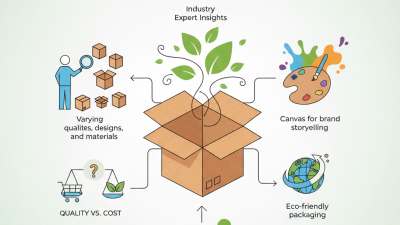
Additionally, cost plays a significant role in decision-making. Businesses must consider budget constraints without compromising quality. Evaluating various suppliers can provide insights into cost-effective options. Reflecting on these criteria helps streamline the selection process. Effective packaging can elevate the brand experience when done correctly.

Top 10 Burger Packaging Solutions - Effectiveness Comparison

Top Innovations in Eco-Friendly Burger Packaging

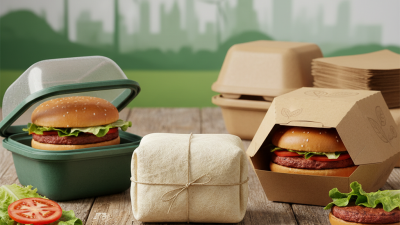
As the demand for eco-friendly solutions grows, innovative burger packaging has emerged as a priority for the industry. According to a recent report by Smithers Pira, the global market for sustainable packaging is projected to reach $400 billion by 2027. This shift highlights the importance of biodegradable materials, especially in fast-food sectors. Many suppliers are exploring compostable films and plant-based containers. These alternatives significantly reduce plastic waste, aligning with consumer preferences for sustainability.

Tips: Always consider the source of your packaging materials. Look for certifications that ensure eco-friendly practices. Transparency is vital in this shift.

Another notable trend is the introduction of edible packaging. Research indicates that this innovative approach can cut down packaging waste drastically. Edible wrappers, made from seaweed or starch, offer an exciting alternative. While still in their infancy, these solutions show promise for the future landscape of food packaging.

However, challenges remain. Many eco-friendly materials still come with higher costs and shorter shelf lives. Not every sustainable option holds up against traditional packaging in terms of durability. Finding a balance between environmental responsibility and cost-effectiveness is essential for businesses. Embracing such innovative solutions requires ongoing evaluation and adaptation.

Analysis of Cost-Effective Burger Packaging Materials

When analyzing cost-effective burger packaging materials, several options stand out for global buyers. Biodegradable materials are gaining traction. These sustainable choices often reduce waste, appealing to environmentally conscious consumers. The initial costs can be higher, but long-term benefits include brand loyalty and reduced disposal costs.

Another effective option includes recycled paperboard. This material is both affordable and strong. It provides excellent protection for burgers during transit. Importantly, it can be customized with various designs. However, its moisture resistance should be reconsidered to avoid sogginess. Investing in improved coatings might offset this issue.

Plastic packaging, while versatile, poses environmental challenges. Careful thought must be placed on sourcing. Using thinner plastics can lower costs, but this may compromise durability. Finding the right balance is key. Conscious choices lead to better outcomes for both the business and the planet.

Case Studies of Successful Burger Packaging Implementations

In the competitive world of food service, innovative packaging can make or break a brand. For successful burger packaging, one case study involved using biodegradable materials that appealed to eco-conscious consumers. The distinct look and feel of this packaging caught attention right away. Customers commented on how the box was both sturdy and environmentally friendly. However, some initial issues arose with moisture retention. This aspect required tweaks to ensure the burgers stayed fresh without compromising quality.

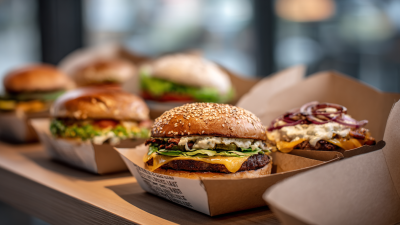
Another interesting implementation focused on convenience. A fast-food chain adopted a new folding design that allowed for easy handling. The packaging featured a grease-resistant layer, preventing messy situations. While customers loved the practicality, feedback indicated that the design could be improved for easier opening. Some packages were tricky, frustrating the customers seeking a quick meal experience. Continuous refinement and testing helped to resolve these concerns, ensuring a user-friendly product while maintaining durability.

These examples illustrate real challenges brands face in their packaging efforts. It's essential to strike a balance between functionality and aesthetic appeal. When the customer experiences satisfaction, feedback often leads to more reliable packaging solutions. The journey of improvement involves listening to consumer voices and taking deliberate actions.