
In the ever-evolving landscape of construction and manufacturing, Concrete Production Batch Plants play a critical role. These facilities are the backbone of concrete supply, ensuring high-quality output for various projects. However, managing these plants effectively can be a daunting task. Adopting the right digital solutions can make a significant difference.
Today's market demands efficiency and precision. Advanced digital technologies help streamline operations, reducing waste and improving productivity. From automated batching software to real-time monitoring systems, these tools are essential. Yet, many plants still rely on outdated methods. This gap reveals opportunities for improvement.
Investing in innovative digital solutions is not just a trend; it is a necessity. Companies can enhance their operations while staying competitive. However, choosing the right technology requires careful consideration. Not every solution fits every plant. Reflecting on these factors is key to successful integration and long-term growth.
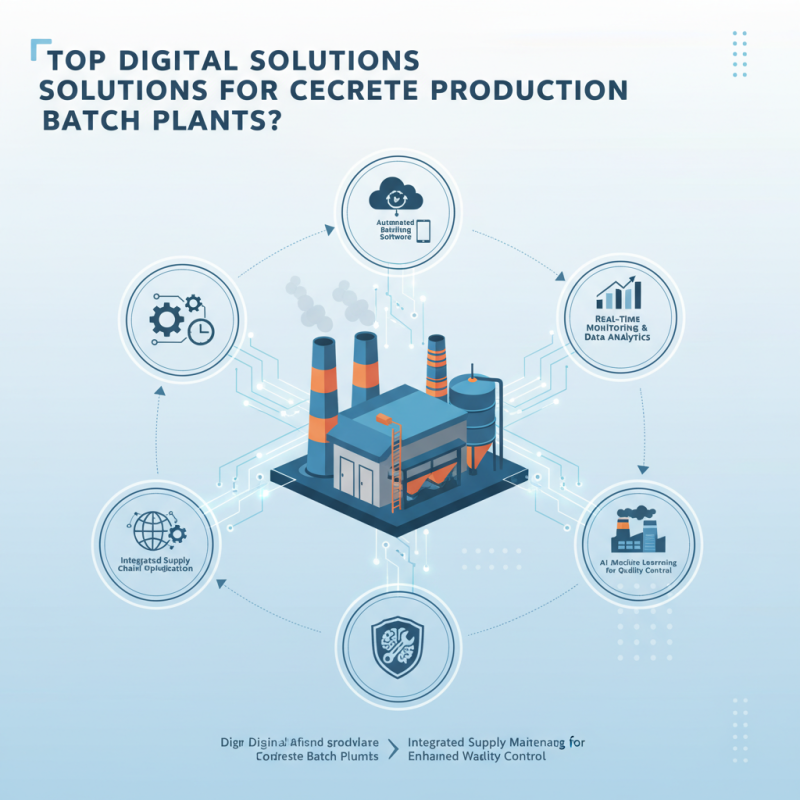
As concrete production evolves, digital solutions are revolutionizing batch plants. These solutions enhance efficiency and accuracy in the mixing process. Real-time data tracking is a crucial aspect. It allows operators to monitor material usage and adjust recipes instantly. This reduces waste and optimizes resource allocation.
Automation plays a vital role in these plants. Automated systems streamline operations but require skilled personnel for maintenance. Digital interfaces offer user-friendly controls, yet training is necessary to prevent operational errors. Moreover, while technology boosts production speed, it can lead to over-reliance on systems. Balancing technology and human oversight is essential for consistent quality.
Cloud-based solutions improve collaboration among teams. They provide access to project data from anywhere, facilitating informed decision-making. However, reliance on internet connectivity poses risks. If a system fails, production could come to a halt. It's crucial to have contingency plans in place. Embracing these digital transformations is a journey, one that requires continuous evaluation and adaptation.
In modern concrete production, digital solutions are redefining operational efficiency in batch plants. According to a recent industry report, smart automation systems can enhance productivity by up to 30%. These systems integrate various functionalities, such as real-time monitoring, quality control, and predictive maintenance. With real-time data access, operators can make informed decisions swiftly.
Key features of these digital solutions include user-friendly interfaces and mobile accessibility. Operators can monitor batching processes remotely, which increases flexibility. Furthermore, advanced analytics tools identify inefficiencies, leading to better resource management. A survey by the Construction Industry Institute revealed that companies using digital tools improved their project timelines by 25%.
However, challenges remain. Transitioning to digital solutions can be cumbersome. Some staff may resist change, highlighting the need for effective training and support. Additionally, cybersecurity issues pose a threat, as more data becomes centralized. Thus, while the benefits of digital solutions are significant, careful planning and execution are essential for successful implementation.
Digital technology is transforming concrete production. By adopting advanced digital solutions, batch plants enhance efficiency and productivity. Real-time monitoring systems track material usage and mix designs. This kind of visibility reduces waste and improves accuracy in mixing. Many plants struggle with traditional methods. They often face challenges with consistency and quality control. Digital tools can help address these issues.
Implementing digital technology also fosters better communication. Teams can share data instantly, allowing quick adjustments to production processes. This leads to better teamwork and faster problem resolution. However, some plants may find it hard to adapt to new systems. Training staff can take time and resources. Resistance to change is a common barrier in any organization.
Moreover, the investment required for digital solutions might seem daunting at first. Yet, the long-term benefits can outweigh initial costs. Enhanced efficiency can lead to significant savings. The data-driven insights can inform future production strategies. Ultimately, embracing digital technology in concrete production may not be easy, but the potential gains are substantial.
Adopting digital solutions in concrete production batch plants presents significant challenges. Integrating new technology can overwhelm staff. Resistance to change is common in traditional industries. Employees may feel uncertain about their roles. This can lead to tension and reduced morale. Training is crucial, but it requires time and resources.
Data security also poses a concern for batch plants. Digital systems store sensitive information. Cyber threats are ever-present. Protecting this data is not just a technical challenge—it requires a shift in company culture. Regular audits and updates may be necessary, demanding ongoing commitment from leadership.
Another consideration is the cost of implementation. Upfront expenses can be daunting for small operations. Budget constraints often lead to incomplete solutions. This can create gaps in functionality and efficiency. Without proper risk assessment and planning, projects may stall. Such oversights can lead to wasted investment and missed opportunities in the digital landscape.
As the concrete production industry evolves, digital solutions play a pivotal role in optimizing operations. Reports from industry experts indicate that the global concrete market reached approximately $500 billion in 2022, with a projected growth rate of 3.5% annually. This rapid expansion drives the need for advanced technologies in batch plants.
Automation is becoming essential. Digital controls enhance accuracy and minimize waste. Real-time data analytics allow for better decision-making. According to recent studies, companies that adopt these technologies can reduce operational costs by up to 15%. However, challenges remain; not all plants are ready for this transition. Some struggle with outdated systems and workforce training.
The use of artificial intelligence in forecasting demand is gaining traction. Predictive analytics can optimize inventory levels and improve scheduling efficiency. Nonetheless, the implementation process can be complex. Many companies face difficulties integrating new tools with their existing infrastructure. As the industry adapts, ongoing evaluation and learning will be crucial for successful digital transformation.