
Top 10 Essential Packaging Supplies Every Business Should Consider

In today's competitive market, effective packaging plays a crucial role in ensuring the success of a business. The right packaging supplies not only protect products during transit but also enhance customer experience and brand visibility. As customers increasingly prioritize sustainability and convenience, businesses must invest in essential packaging supplies that meet these evolving demands. This article explores the top 10 essential packaging supplies every enterprise should consider, providing insights into their significance and practical applications. Whether you are a small startup or an established company, understanding the various options available in packaging supplies will empower you to make informed decisions that elevate your products and resonate with your target audience. As we delve into this topic, we will highlight the diverse types of packaging supplies that can streamline operations and ultimately contribute to business growth.

Top 10 Essential Packaging Supplies Every Business Should Consider

Key Factors in Selecting Packaging Supplies for Your Business

When selecting packaging supplies for your business, there are several key factors to consider that can significantly affect both the efficiency of your operations and the overall customer experience. First and foremost, the type of product being packaged plays a crucial role. Different items may require specific protective measures; for instance, fragile goods benefit from cushioning materials like bubble wrap, while perishable items need moisture-resistant packaging. Understanding the nature of your products will guide you in choosing appropriate materials and configurations, ensuring that your products arrive in perfect condition.

Cost-effectiveness is another vital consideration in your selection process. While it may be tempting to opt for the cheapest packaging solution, it’s essential to balance cost with quality. Investing in durable materials can reduce damages and returns, ultimately saving money in the long term. Additionally, consider the environmental impact of your packaging choices. With the increasing consumer preference for sustainable options, incorporating eco-friendly materials can enhance your brand image and appeal to environmentally conscious customers. Evaluate the suppliers available in the market to ensure they align with your business values and sustainability goals, creating an overall packaging strategy that reinforces your brand identity.
Types of Packaging Materials: A Comprehensive Overview

When it comes to packaging materials, businesses must navigate through an array of options to find the most suitable solutions for their products. The materials chosen can significantly affect both product protection and brand perception. According to a report by Smithers Pira, the global market for packaging materials is expected to reach $1 trillion by 2024, emphasizing the crucial role that packaging plays in logistics and marketing alike.

One essential category of packaging materials is corrugated cardboard, widely favored for its durability and recyclability. With about 95% of products in the U.S. being shipped in cardboard boxes, this material provides exceptional strength while being lightweight, which in turn reduces shipping costs. Another important type is flexible packaging, which can reduce waste and packaging size, making it an environmentally friendly option. The flexible packaging market is projected to grow at a CAGR of 4.4% from 2020 to 2025, driven by increased demand across various sectors.

**Tips:** When selecting packaging materials, consider their impact on supply chain efficiency and sustainability. Investing in materials that are biodegradable or recyclable can enhance your brand's eco-friendly image while aligning with consumer preferences. Always perform a cost-benefit analysis to find a balance between quality and expense, ensuring you not only protect your product but also manage operational costs effectively.

Top 10 Essential Packaging Supplies Every Business Should Consider

Packaging Material Description Typical Use Cases Environmental Impact
Cardboard A sturdy and lightweight material, often recycled. Shipping boxes, product packaging. Generally eco-friendly, biodegradable.
Plastic Wrap Thin, flexible material used for sealing items. Food packaging, bundling products. Not biodegradable, recyclable in some areas.
Bubble Mailers Padded envelopes filled with air bubbles for protection. Shipping fragile items, documents. Can be made from recycled materials.
Stretch Film A stretchy plastic film used for pallet wrapping. Warehouse and shipment protection. Not easily recyclable, but reusable.
Tissue Paper Lightweight paper, often used for wrapping items. Gift wrapping, protective packaging. Biodegradable, often recyclable.
Foam Inserts Protective cushioning made from foam material. Custom packaging for delicate items. Not biodegradable, can be recycled.
Kraft Paper Strong paper made from wood pulp, often brown in color. Wrapping, packing boxes, crafts. Biodegradable and recyclable.
Air Pillows Inflatable bags used for cushioning in packages. E-commerce shipping, void fill. Typically not biodegradable, recyclable options available.
Ziplock Bags Re-sealable plastic bags used for storage. Food storage, small item packaging. Not biodegradable, but reusable.
Metallic Foil Shiny metal layer used for packaging. Food packaging, luxury item wraps. Often recyclable, but can be less environmentally friendly.

Important Tools for Efficient Packaging Processes

Top 10 Essential Packaging Supplies Every Business Should Consider

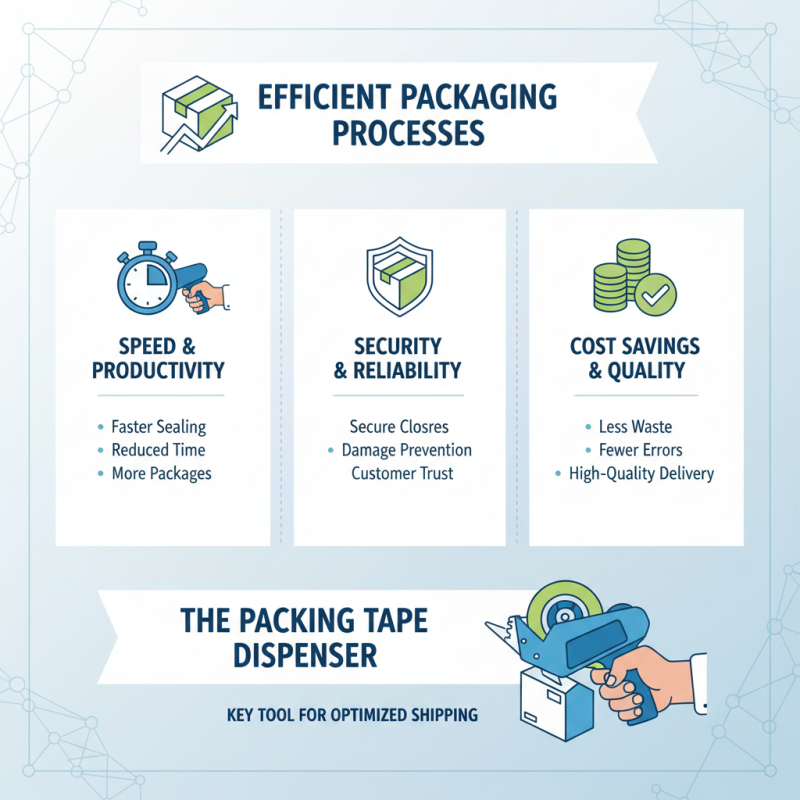
Efficient packaging processes are crucial for any business that aims to streamline operations and deliver high-quality products to customers. One of the most important tools to consider is a reliable packing tape dispenser. This device not only speeds up the sealing process but also ensures that each package is securely closed to withstand the rigors of shipping. A high-quality tape cuts down on frustration during packing, thereby increasing productivity and minimizing errors.

Another essential tool is a bubble wrap or cushioning material dispenser, which protects fragile items during transit. Having an easily accessible source of protective material allows employees to pack items quickly and effectively, reducing the risk of damage. Additionally, incorporating labeling machines can streamline the organization process by ensuring that each package is properly identified. A well-labeled package enhances tracking and delivery accuracy, fostering a more efficient workflow overall. By investing in these essential tools, businesses can optimize their packaging processes and improve overall operational efficiency.

Sustainable Packaging Options: Benefits and Considerations

Sustainable packaging options have become increasingly important as businesses seek to reduce their environmental impact. By choosing eco-friendly materials, companies not only fulfill their corporate responsibility but also appeal to a growing consumer base that values sustainability. Options such as biodegradable plastics, recycled materials, and minimalistic designs can significantly decrease waste and lower carbon footprints. These practices not only benefit the planet but also can lead to cost savings in the long run through reduced disposal costs and enhanced brand loyalty.

However, there are considerations that businesses must keep in mind when shifting to sustainable packaging. The initial costs of eco-friendly materials can sometimes be higher than traditional packaging, which may deter small businesses from making the switch. Additionally, it’s crucial to ensure that sustainable options do not compromise product safety or integrity. Businesses should conduct thorough research and testing to find suitable alternatives that meet both environmental and operational needs.

Ultimately, the move towards sustainable packaging is a step forward for businesses looking to innovate and resonate with contemporary consumer values.

Cost-Effective Packaging Solutions for Small Businesses

Small businesses often face unique challenges when it comes to packaging, as they need to balance cost efficiency with quality. According to a recent report from the Packaging Industry Association, nearly 60% of small businesses cite packaging costs as a significant factor in their overall operational expenses. This highlights the importance of implementing cost-effective packaging solutions that not only protect products but also reduce waste and improve customer satisfaction.

One effective strategy is to utilize eco-friendly packaging materials, which can reduce costs over time. A study by the Green Packaging Council found that businesses adopting sustainable practices experienced a 10-20% reduction in expenses related to packaging. Materials like biodegradable materials, recycled paper products, and reusable containers can often serve dual purposes—enhancing a brand's image while also saving money. Moreover, by optimizing packaging sizes and reducing excess material, small businesses can cut shipping costs significantly. Research indicates that efficient packaging can lead to savings of up to 30% on logistics, greatly benefiting small enterprises operating on tight budgets.

Additionally, investing in bulk purchasing of packaging supplies can yield substantial savings. According to industry analysts, buying in larger quantities reduces unit costs, allowing small businesses to minimize their overall expenditure. This approach not only provides more consistency in supply but also ensures that businesses can manage their inventory effectively. In a world where every penny counts, implementing these cost-effective packaging solutions is essential for sustainable growth and competitive advantage in the market.