In the rapidly evolving field of packaging design, staying ahead of trends is crucial. According to packaging design expert Sarah Thompson, “Innovative designs attract buyers and create lasting impressions.” As we move into 2026, understanding these emerging trends is vital for businesses.
Sustainability remains at the forefront of packaging design. Consumers demand eco-friendly materials and practices. Brands are exploring biodegradable options and minimalist designs to reduce waste. Clear communication of these sustainable choices can draw in environmentally conscious buyers.
Moreover, personalization in packaging design is gaining momentum. Unique and tailored packaging appeals to individual consumer preferences. Companies that harness data analytics to design customized experiences can enhance customer loyalty. However, a balance must be struck. Over-customization can lead to waste, demanding reflection on effectiveness in the long run.
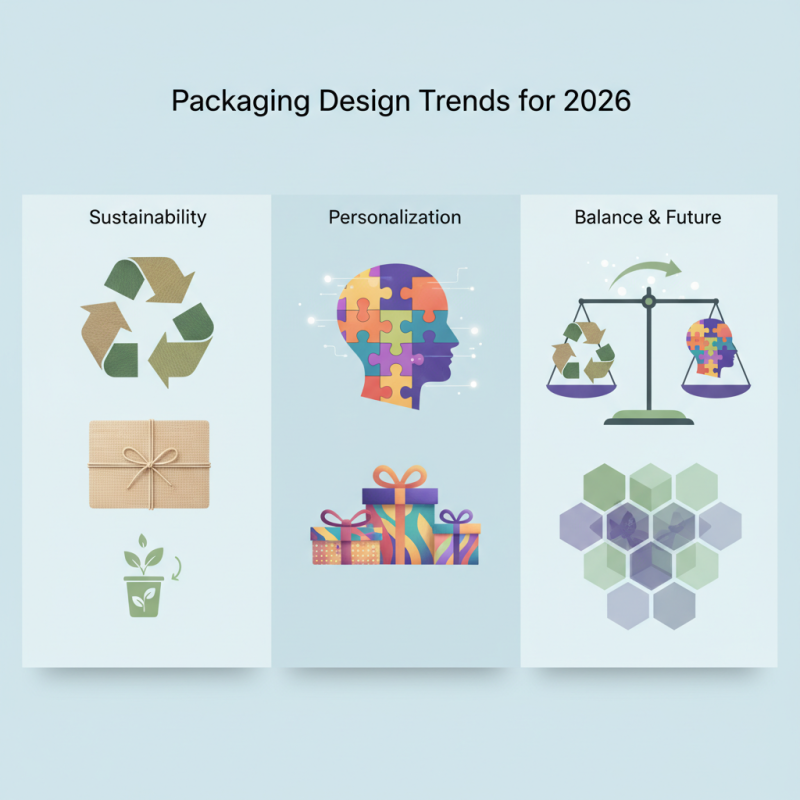
As we approach 2026, eco-friendly materials are set to dominate packaging design. Sustainable packaging not only appeals to buyers but also addresses environmental concerns. Biodegradable plastics made from organic materials are gaining traction. They can break down in less than a year. This is a significant improvement over traditional plastics.
Another promising trend is the use of plant-based inks. These inks are less harmful to the environment than petroleum-based options. They offer vibrant colors and are easier to recycle. However, the durability of plant-based inks can sometimes be a concern. Brands must test their effectiveness in various conditions.
Recycled paper and cardboard are also becoming popular. Brands are opting for materials with high post-consumer content. This shift supports recycling efforts and reduces waste. But sourcing sufficient quality materials can still be a challenge. The balance between sustainability and functionality needs careful consideration. Every step toward eco-friendly packaging is progress, even if it's not perfect.
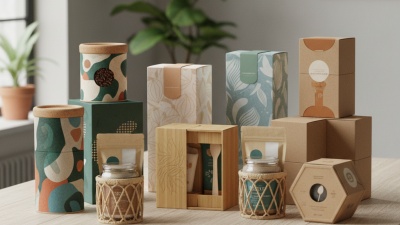
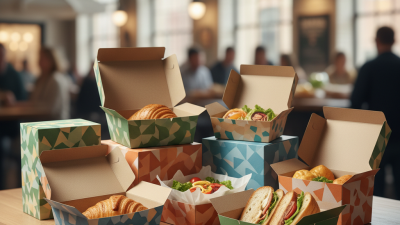
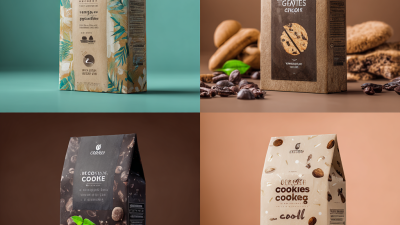
In 2026, packaging design will reflect changing consumer preferences toward sustainability and aesthetic appeal. Innovative materials, like biodegradable films and recycled cardboard, will dominate. Flexibility in design allows brands to communicate their values better through eye-catching visuals. An elegant touch can draw attention on crowded shelves.
Color palettes will shift toward earthy tones, resonating with eco-conscious consumers. Textures will enhance tactile experiences, sparking curiosity. A simple matte finish may invite touch, while glossy accents catch light. These details create engagement and connection with the product.
However, there’s a fine line between creativity and confusion. Overly complex designs can obscure essential information. Brands must balance uniqueness with clarity. Striking the right chord is crucial. A focus on minimalism may still hold merit as consumers seek simplicity in a chaotic marketplace. Authenticity in design should prevail, inviting reflection on what really matters to buyers.
| Trend | Description | Consumer Preference (%) | Impact Level (1-5) |
|---|---|---|---|
| Sustainable Materials | Using biodegradable or recyclable materials to minimize environmental impact. | 68% | 5 |
| Minimalist Design | Simple and clean packaging to enhance brand message. | 54% | 4 |
| Smart Packaging | Incorporating technology like QR codes for interactive consumer experiences. | 45% | 4 |
| Bold Typography | Using unique fonts to capture attention and convey brand identity. | 62% | 3 |
| Vintage Aesthetic | Packaging that evokes nostalgia through design elements. | 38% | 2 |
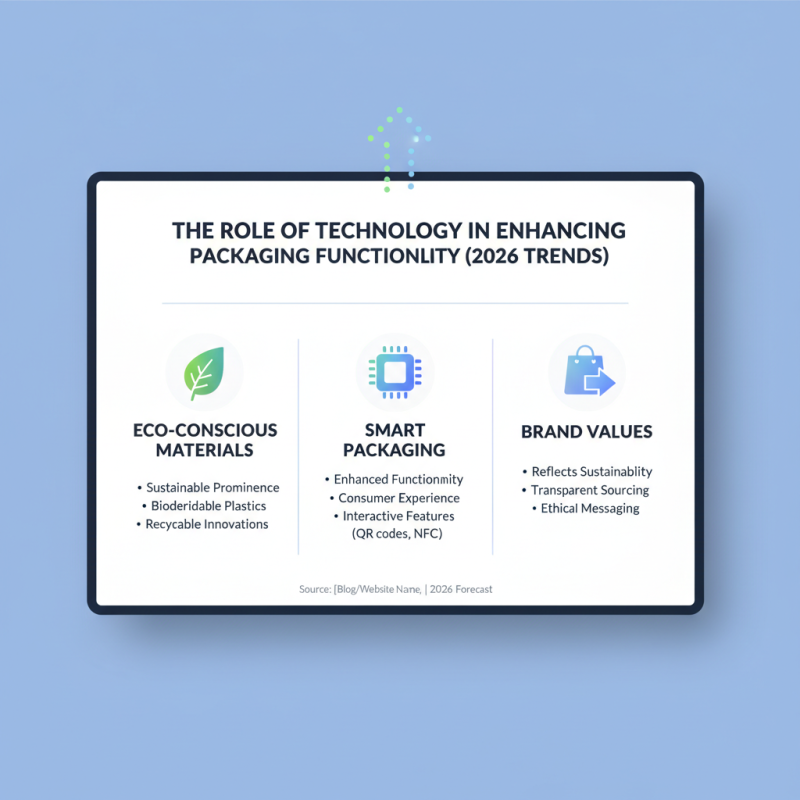
In 2026, technology will play a pivotal role in packaging design. As consumers become more eco-conscious, sustainable materials will gain prominence. Innovations in biodegradable plastics and recyclable materials are essential. Packaging will need to reflect these values. Smart packaging will also emerge, enhancing functionality and consumer experience.
Tips: Consider material sources when selecting packaging. Sourcing from local suppliers can reduce carbon footprints. Also, engage consumers through interactive designs. Scannable QR codes on packaging can provide more information, enhancing transparency.
Technology will facilitate customization. Brands can leverage data analytics to tailor packaging for individual preferences. This approach not only improves customer satisfaction but also builds loyalty. However, not all tech solutions will be effective. Brands should regularly assess their packaging strategies. This reflection allows continuous improvement in design and utility.
Consumer preferences are shifting towards sustainable packaging. This trend reflects a growing awareness of environmental issues. Buyers now seek packaging that minimizes waste. A recent survey shows that nearly 70% of consumers prefer products with eco-friendly packaging. They believe that their choices impact the planet.
Understanding what drives these sustainable preferences is crucial for brands. First, transparency is vital. Consumers want to know where materials come from. They favor brands that openly share their sustainability practices. Next, functionality plays a role. Packaging needs to be practical while being environmentally friendly. Innovative designs can meet both needs.
Yet, some challenges remain. Not all consumers are fully committed to sustainability. Many prioritize cost over eco-friendliness. Companies must address these varied motivations. Engaging storytelling can help connect these ideas. Brands should focus on educating their audience about the benefits of sustainable choices. This approach can drive meaningful change over time.
This chart illustrates the consumer preferences for various sustainable packaging choices expected in 2026. The data reflects the percentage of consumers favoring each type of sustainable packaging design based on recent insights into consumer behavior.
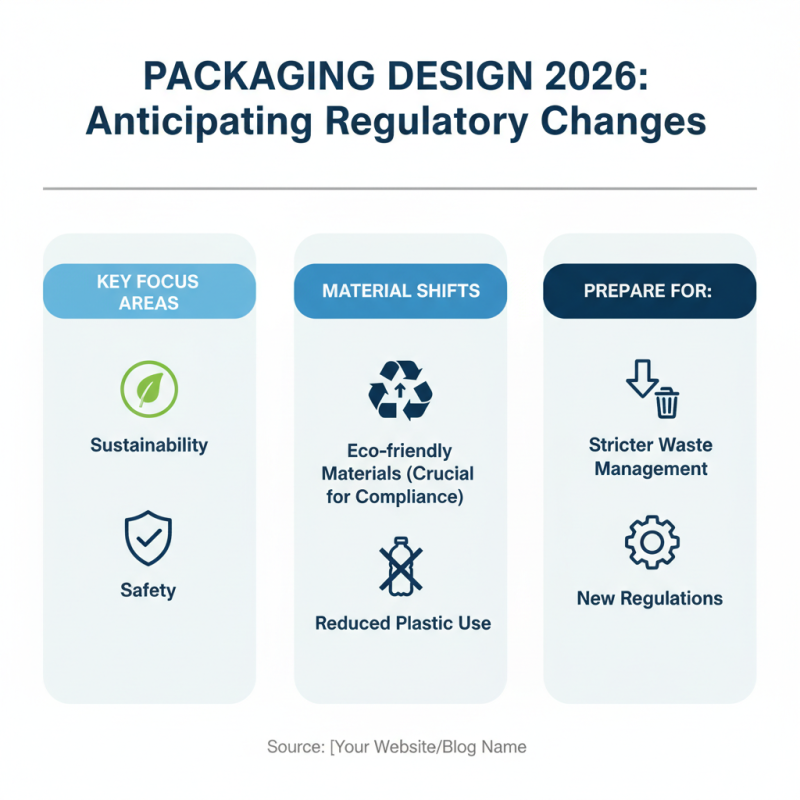
As we look towards 2026, regulatory changes are poised to significantly affect packaging design. These modifications will likely emphasize sustainability and safety. Adopting eco-friendly materials will thus become crucial for compliance. Brands should prepare for stricter regulations surrounding plastic use and waste management.
Tips: Consider alternatives like biodegradable packaging. Research various materials and their impact on the environment. The right choice can enhance your brand’s reputation.
Design aesthetics must also align with these evolving regulations. Minimalism is a growing trend, but it won't suffice alone. Packaging must communicate its sustainability credentials clearly. Transparency is becoming essential; consumers want to know what they are purchasing.
Tips: Showcase certifications visibly on your packaging. This builds trust and reassures environmentally conscious buyers. Remember, clients prefer authenticity over flashy designs.
Anticipate shifts in consumer priorities as these regulations evolve. Mental shifts towards health and safety in product packaging are inevitable. Brands need to stay agile and adapt their strategies accordingly.