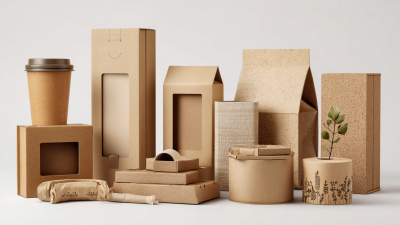
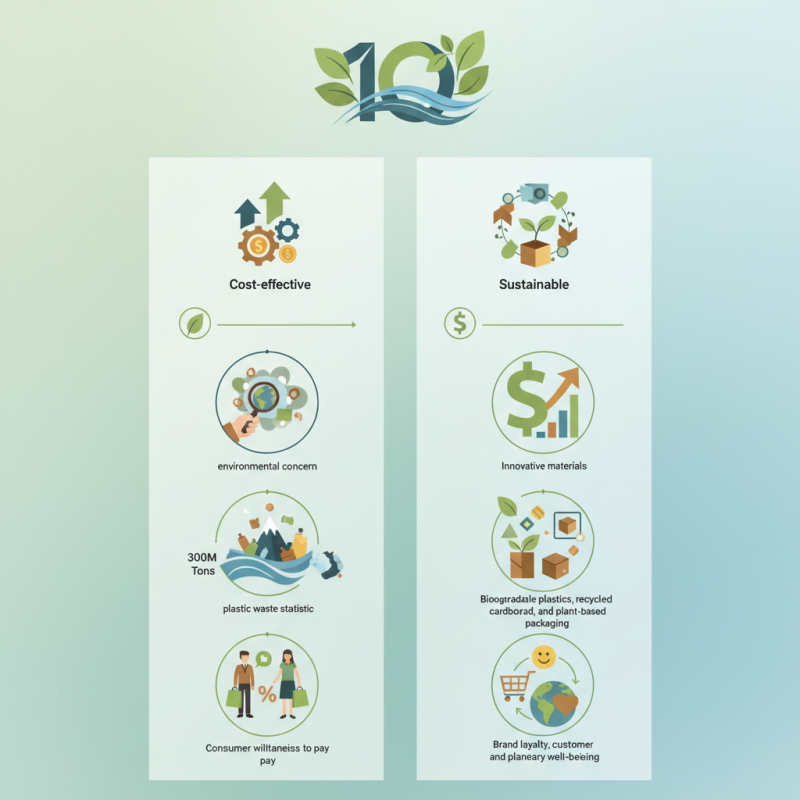
The growing concern for environmental sustainability has prompted businesses to reassess their packaging materials and practices. According to a report by the World Economic Forum, around 300 million tons of plastic are produced globally each year, with a significant portion ending up in landfills and oceans. This alarming statistic emphasizes the urgent need for companies to adopt sustainable packaging solutions that not only minimize ecological impact but also align with consumer expectations. Recent surveys indicate that over 70% of consumers are willing to pay more for products with sustainable packaging, highlighting the market advantage of implementing environmentally friendly options.
In the quest for sustainable and cost-effective packaging materials, businesses face the challenge of balancing performance, cost, and environmental impact. The global sustainable packaging market is projected to reach USD 400 billion by 2027, according to a report by Allied Market Research. This indicates a robust growth potential for sustainable packaging initiatives. Companies are exploring innovative materials, such as biodegradable plastics, recycled cardboard, and plant-based packaging, which contribute to a circular economy and help reduce the carbon footprint of their operations. Ultimately, adopting the right packaging materials can lead to enhanced brand loyalty, improved customer satisfaction, and a positive contribution to the planet's well-being.
Sustainable packaging materials play a crucial role in reducing environmental impact while maintaining cost-effectiveness in the packaging industry. As consumers increasingly demand eco-friendly options, businesses are compelled to explore sustainable alternatives. According to a report by Deloitte, approximately 63% of consumers believe that packaging can greatly influence their purchasing decisions, with many willing to pay more for sustainable packaging solutions. This growing awareness emphasizes the need for companies to adopt materials that minimize waste and support recycling initiatives.
One of the key trends highlighted by the Ellen MacArthur Foundation is the shift towards biodegradable and compostable materials, which can significantly reduce landfill contributions. Reports indicate that the global biodegradable plastics market is expected to reach over $500 million by 2025, growing at a compound annual growth rate (CAGR) of around 16%. Innovations in materials such as mushroom-based packaging and plant-derived plastics are gaining traction, offering viable alternatives to traditional petroleum-based products. By embracing these advancements, companies not only meet consumer demands but also contribute significantly to sustainability goals, reducing their carbon footprint and enhancing their brand image.
| Material | Sustainability Rating | Cost Effectiveness | Recyclability | Biodegradability |
|---|---|---|---|---|
| Kraft Paper | High | Moderate | Yes | Yes |
| Recycled Plastic | Medium | Moderate | Yes | No |
| Bioplastics | High | High | Yes | Yes |
| Glass | High | Low | Yes | No |
| Cardboard | High | Moderate | Yes | Yes |
| Aluminum | Medium | Low | Yes | No |
| Mushroom Packaging | High | High | Yes | Yes |
| Cotton & Fabric | Medium | High | Yes | No |
| Plant-Based Polymers | High | Moderate | Yes | Yes |
| Compostable Films | High | Moderate | Yes | Yes |
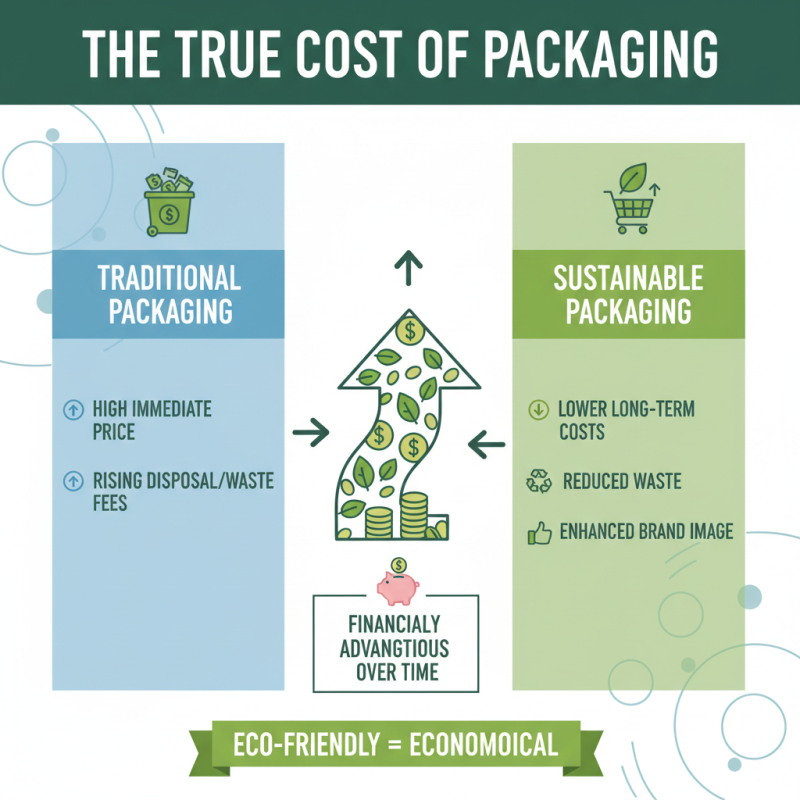
When evaluating the cost-effectiveness of packaging choices, it’s crucial to consider not only the immediate prices but also the long-term benefits that sustainable materials can offer. Sustainable packaging often leads to lower disposal costs and reduced waste management fees, making them financially advantageous over time. Moreover, businesses can enhance their brand image, potentially increasing customer loyalty and sales, by prioritizing eco-friendly options.
One tip for achieving cost-effective packaging is to assess life cycle costs. This approach involves evaluating the entire lifespan of the packaging material, from production to disposal. By choosing materials that are recyclable or biodegradable, companies can reduce their overall environmental impact and contribute to a circular economy. Additionally, investing in reusable packaging can significantly lower ongoing material costs.
Another essential tip is to streamline packaging design. Efficient design not only reduces the amount of material used but also optimizes shipping and handling costs. By minimizing excess space and weight, businesses can save on freight expenses, making their packaging strategy both sustainable and economical. Emphasizing simplicity and functionality in packaging can lead to better resource management, ultimately benefiting both the environment and the bottom line.
As the global awareness of environmental issues continues to grow, the packaging industry is at a crossroads, faced with the choice between traditional materials and biodegradable alternatives. Recent studies indicate that conventional plastics account for approximately 300 million tons of global waste each year, with only 9% being recycled. In contrast, biodegradable packaging materials, like those derived from plant sources, can break down naturally within 90 to 180 days under the right conditions. This significant reduction in waste and pollution emphasizes the urgency for companies to reevaluate their packaging strategies.
A comparative analysis reveals that while biodegradable materials often have higher initial costs—averaging 10-30% more than traditional plastics—businesses can save in the long run. According to a report by the Ellen MacArthur Foundation, adopting biodegradable alternatives can reduce disposal and landfill costs by an estimated 30-40%. Furthermore, the growing consumer demand for sustainable practices is driving brands to invest in eco-friendly packaging, leading to potential increases in customer loyalty and sales. As more organizations prioritize sustainability, the shift to biodegradable materials not only addresses environmental concerns but also presents an opportunity for cost savings in waste management.
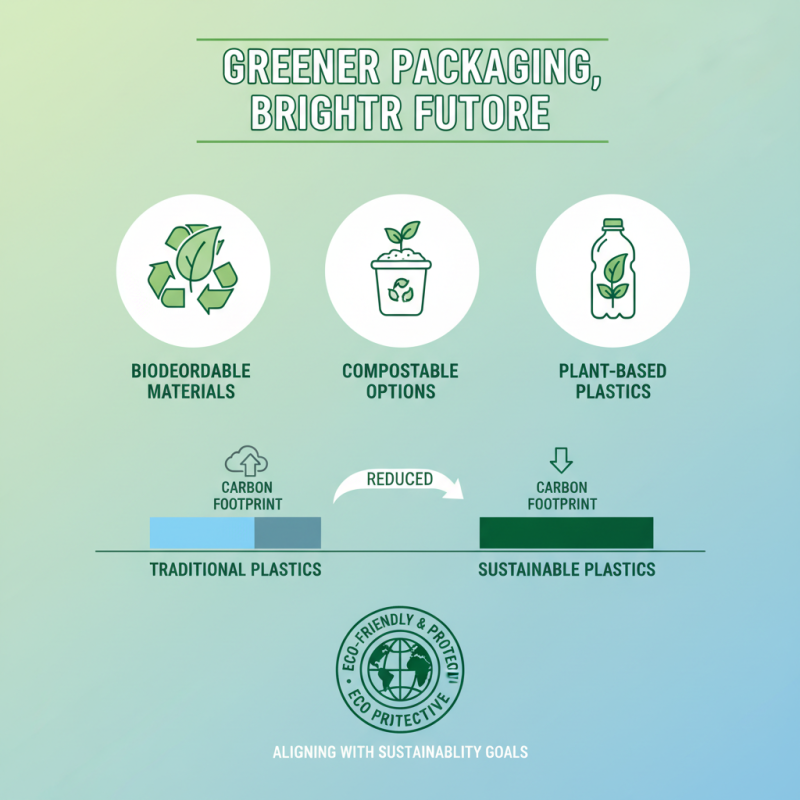
In recent years, the packaging industry has started to embrace innovative solutions aimed at minimizing environmental impact. From biodegradable materials to compostable options, companies are finding ways to align their packaging choices with sustainability goals. For example, using plant-based plastics can significantly reduce carbon footprints while still providing the necessary durability and protection for products.
When considering packaging alternatives, adopting eco-friendly practices is essential. One tip is to choose materials that are easily recyclable or made from recycled content. This not only supports a circular economy but also reduces dependency on new materials. Additionally, optimizing packaging design to use minimal materials without compromising on safety can lead to cost savings and waste reduction.
Finally, investing in smart packaging technologies, such as those that extend shelf life or monitor freshness, can further aid sustainability efforts. These innovations help to minimize food waste and enhance product usability, making them a win-win for both businesses and consumers. By prioritizing these innovative packaging solutions, companies can achieve a significant reduction in their environmental impact while also enjoying cost-effective benefits.
When it comes to sourcing eco-friendly packaging materials, businesses should prioritize materials that have a lower environmental impact throughout their lifecycle. Begin by assessing the full supply chain and identifying materials that are sustainably sourced, such as recycled or bio-based options. Engaging with suppliers who are committed to environmental practices is crucial, as they can provide transparency regarding their sourcing methods and materials’ origins. Additionally, consider the certifications that indicate responsible sourcing, such as FSC (Forest Stewardship Council) or Cradle to Cradle, to ensure that your choices align with sustainability goals.
Implementing these materials effectively involves not only choosing the right products but also adapting your packaging processes. Start by redesigning packaging to minimize waste, using just enough material to protect the product while reducing excess. Collaborate with design teams to explore innovative packaging solutions, such as modular designs or refillable containers, which can enhance brand appeal and support sustainability. Moreover, educating both staff and consumers about the benefits of sustainable packaging choices can foster a culture of environmental responsibility within the organization and among customers, ultimately leading to a more impactful commitment to sustainability.