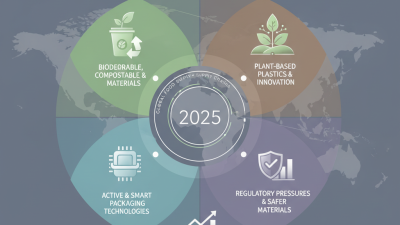
As the global market for packaging supplies continues to expand, China remains a pivotal player. According to a 2022 report by Smithers Pira, the global packaging market is projected to reach $1 trillion by 2027. This growth underscores the increasing demand for innovative and sustainable packaging solutions tailored for diverse industries.
Renowned packaging expert Dr. Emily Chen states, "The dynamics of packaging supplies are shifting towards eco-friendly materials that meet consumer expectations." This highlights a crucial trend where companies must adapt to sustainability. In a landscape laden with competition, sourcing high-quality packaging supplies from China can be both an opportunity and a challenge.
Many buyers find themselves overwhelmed by the vast options available. The variability in quality and regulations adds complexity. Navigating this space requires expertise and diligence. Insights from industry leaders and established suppliers can help foster more informed decisions. Utilizing modern technologies in logistics and distribution is essential for efficient procurement of packaging supplies.

China is a global hub for packaging supplies. Buyers from various industries can find a wide range of materials. Common options include cardboard boxes, plastic wraps, and biodegradable materials. Each type serves specific needs, making the selection process essential.
Cardboard boxes are versatile and cost-effective. They come in various sizes, allowing for customization. Plastic wrap, on the other hand, offers durability but raises environmental concerns. As sustainability gains importance, many companies are shifting toward biodegradable options. Choosing the right materials is crucial as it can impact both cost and environmental footprint.
While there are many suppliers, quality can vary significantly. It’s essential for buyers to conduct thorough research. Engaging with suppliers who prioritize quality can lead to better outcomes. A focus on reliability and ethical practices also enhances brand reputation. This area often requires reflection on personal experiences to truly understand the market dynamics.
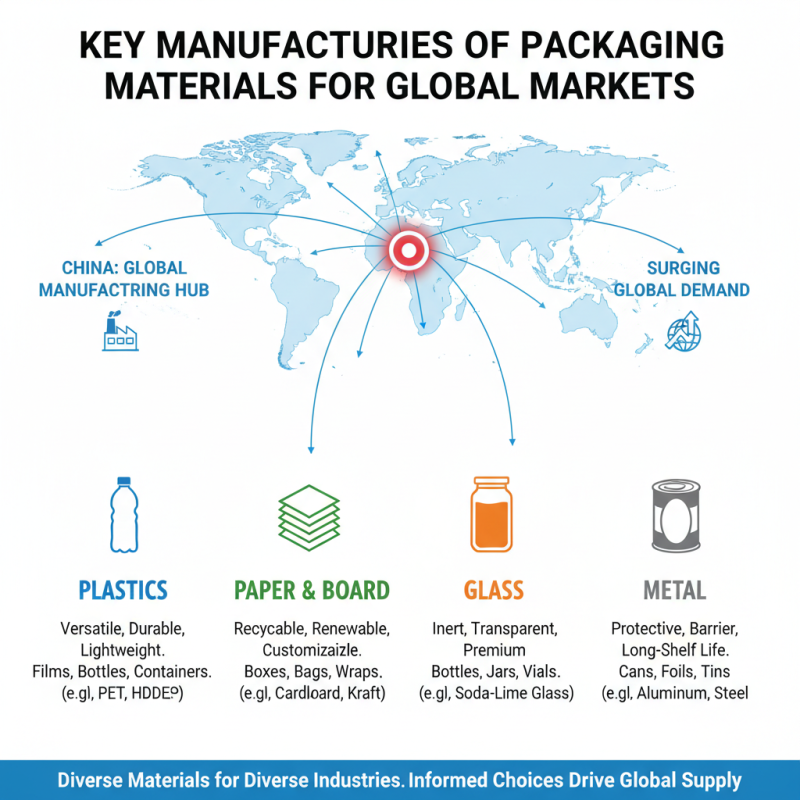
As global demand for packaging materials surges, China remains a vital hub for buyers. The country's packaging supply sector boasts numerous manufacturers specializing in various materials. These include plastics, paper, glass, and metal. Each material has unique qualities, appealing to diverse industries. Understanding the characteristics of these materials helps buyers make informed decisions.
Tip: Choose suppliers who understand international market standards. This ensures compliance and quality assurance. When sourcing packaging materials, investigate the supplier's production capacity and quality control processes. Request samples to evaluate the materials firsthand. This approach minimizes risks and enhances reliability.
Sourcing from China presents challenges. Not all manufacturers meet the same quality expectations. Conducting thorough research is essential. Look for reviews and case studies on potential suppliers. Communication is key; clarify specifications and timelines. Directly engaging with manufacturers can uncover their capabilities and limitations.
In today's rapidly evolving market, packaging supplies play a crucial role across various industries. According to a 2022 report by Smithers Pira, the global packaging market is projected to reach $1 trillion by 2024. Within this landscape, packaging materials vary significantly, focusing on sustainability and innovation. The food and beverage sector remains the largest consumer, with demand for flexible packaging rising by 4.5% annually. This wave emphasizes not only functionality but also appealing designs that attract consumers.
E-commerce is another driving force. In 2022, online retail sales accounted for nearly 20% of total global sales. As a result, protective packaging, padded mailers, and tamper-evident seals are increasingly essential for shipping. However, the industry's reliance on single-use plastics raises environmental concerns. Many companies are reevaluating their supply chains and seeking eco-friendly alternatives. Despite increased costs, sustainable packaging options are gaining momentum, driven by consumer preferences towards responsible purchasing behavior.
Yet, challenges persist. Achieving a balance between cost, usability, and environmental impact is complex. Not all companies can afford to transition to green solutions immediately. Additionally, regulatory changes can create obstacles. Thus, companies must remain agile, adapting to shifting market expectations while ensuring safety and compliance. As global buyers navigate this landscape, they should prioritize suppliers who demonstrate expertise and a commitment to responsible practices.
| Packaging Type | Material | Industry Application | Features |
|---|---|---|---|
| Cardboard Boxes | Paper | E-commerce, Retail | Eco-friendly, Customizable |
| Plastic Bags | Polyethylene | Food, Retail | Lightweight, Water-resistant |
| Bubble Wrap | Plastic | Shipping, Electronics | Shock-absorbent, Reusable |
| Gift Boxes | Cardboard | Gifts, Cosmetics | Attractive, Custom designs |
| Shrink Wrap | Polyolefin | Manufacturing, Food | Tamper-proof, Clear visibility |
| Foam Inserts | Polyurethane | Electronics, Automotive | Custom-fit, Protective |
Sustainable packaging solutions are on the rise in China. As global demand for eco-friendly options grows, businesses are prioritizing sustainability. Companies are shifting from traditional materials to biodegradable and recyclable alternatives. This change not only meets consumer expectations but also aligns with environmental goals.
Investing in sustainable packaging requires thoughtful planning. Understand the materials available and their environmental impact. Choose suppliers who prioritize sustainability. In this journey, transparency is key. Displaying a commitment to eco-friendly practices can build trust with consumers.
Tips: Start by evaluating your current packaging choices. Look for ways to minimize waste and reduce your carbon footprint. Collaborating with experts in sustainable packaging can provide valuable insights. Stay informed about regulatory changes and innovations in the market. Making gradual changes can lead to significant improvements over time.
When engaging in international trade, logistics and shipping become critical components. Global buyers in China must navigate a complex landscape. Efficient transport can impact costs and delivery times significantly.
Choosing the right shipping methods is vital. Air freight is faster, while sea freight is often cheaper. However, sea freight usually involves longer delivery times. Understand your needs before selecting a method. A good understanding of local regulations also helps. Each region has its own requirements, and ignorance can lead to costly delays.
Tips: Consider using a logistics partner with local expertise. They can streamline processes and reduce shipment risks. Also, plan for potential disruptions. Flexibility in your shipping schedule can help mitigate unforeseen challenges.
Contracts with logistics providers should be clear. Ensure all terms are understood to avoid misunderstandings. Being proactive leads to smoother transactions. Do not underestimate the impact of packaging on shipping efficiency. Proper packaging protects goods and ultimately saves money. Balancing cost and quality in packaging is essential.