
In the rapidly evolving world of fishing, the Parent Reel is a game changer for enthusiasts and professionals alike. This innovative device offers unique features that cater to a wide range of fishing styles. As global buyers seek the latest trends, understanding the top designs of Parent Reels becomes crucial.
Each design emphasizes durability and performance. Buyers should look for reels that balance weight and strength. Some models showcase advanced materials, enhancing both ease of use and effectiveness. However, not all designs meet every angler's needs. Potential buyers should reflect on their specific requirements and expectations.
Choosing the right Parent Reel requires careful consideration. It’s easy to be swayed by popular trends or flashy features. Yet, evaluating functionality and reliability is essential. An informed choice leads to a better fishing experience. The top 10 designs highlighted here can offer valuable insights, but personal preferences should always guide the decision-making process.
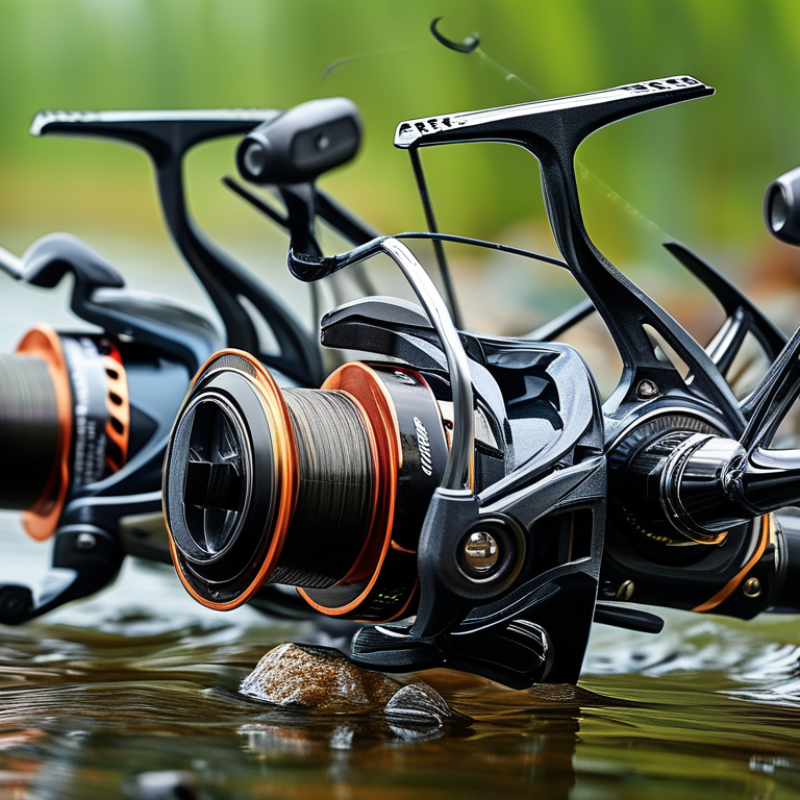
The evolution of parent reel designs showcases innovative trends that appeal to global buyers. Today's designs balance functionality with aesthetics. Materials now vary from eco-friendly options to high-tech composites. This variety allows for customization based on user preferences and environmental considerations.
One prominent trend involves ergonomic designs. These reels prioritize user comfort, reducing fatigue during prolonged use. Many buyers appreciate reels that feature non-slip handles and adjustable components. Such design considerations can enhance the overall experience.
When selecting parent reels, consider the fishing environment. Saltwater versus freshwater can affect material choice. Additionally, think about portability. Lightweight and compact designs are gaining popularity, especially for travel enthusiasts. Keep in mind that trends change rapidly, so reflecting on past innovations can spark fresh ideas. Always remain open to experimenting with new designs that may not initially meet conventional standards.
When designing parent reels for global markets, consider several key features that enhance usability and functionality. Durability is critical. A robust design withstands various environmental factors, ensuring longevity for users worldwide. Materials should be resistant to wear and tear, as indicated by a recent market study showing that 48% of users report issues with material quality in low-end products.
Another essential feature is adaptability. Parent reels must accommodate different types of fishing lines and cater to various fishing styles. According to industry reports, global buyers prefer designs that incorporate adjustable components, allowing users to modify settings according to their needs. This flexibility can enhance the fishing experience significantly.
Tip: Prioritize user feedback during the design process. Gathering insights can reveal not only strengths but also limitations in existing models. Iterative testing with potential users can lead to more reliable designs.
Additionally, ease of use ranks high among buyers. Simplicity in design can facilitate user interaction. A feature-rich product is valuable, but complexity may deter users. Striking a balance is vital.
Tip: Conduct market research to gauge user preferences. Surveys reveal that 62% of users favor a streamlined user interface. Consider incorporating intuitive features that make operation effortless.
Remember, the balance between innovation and user-friendly design is essential. Embrace feedback and continue iterating for better solutions. Reflecting on areas for improvement can lead to superior products that meet global market demands.
When creating parent reels, material choice and durability are paramount. The types of materials can directly influence performance and lifespan. Common materials include various plastics and metals, each with unique strengths and weaknesses. Plastics are lightweight and resistant to corrosion, making them popular. However, their durability under extreme conditions can be a concern.
Another significant aspect is manufacturing quality. A parent reel may look good on the surface, but poor manufacturing can lead to structural failure over time. Buyers should also consider how the reel will be used. Depending on the application, increased durability may be needed. For instance, outdoor conditions can wear down materials faster than indoor use.
Regular testing and evaluation are necessary to ensure quality standards. Some reels may crack or warp under stress, indicating a manufacturing flaw. Choosing the right partner for production can help mitigate these issues. Buyers must also stay informed about advancements in materials and technology to make optimal choices for durability and performance.
| Design Name | Material Used | Durability Rating | Weight Capacity (lbs) | Cost ($) |
|---|---|---|---|---|
| Reel Design A | High-Grade Aluminum | 8/10 | 150 | 120 |
| Reel Design B | Polycarbonate | 7/10 | 100 | 80 |
| Reel Design C | Stainless Steel | 9/10 | 200 | 150 |
| Reel Design D | Fiberglass | 8/10 | 120 | 95 |
| Reel Design E | Carbon Fiber | 10/10 | 250 | 200 |
| Reel Design F | Plastic Composites | 6/10 | 90 | 50 |
| Reel Design G | Reinforced Polymer | 8/10 | 130 | 85 |
| Reel Design H | Aluminum Alloy | 9/10 | 180 | 160 |
| Reel Design I | Nylon | 7/10 | 75 | 60 |
| Reel Design J | Thermoplastic Elastomer | 7/10 | 110 | 75 |
Cultural influences play a significant role in shaping parent reel designs globally. In Asia, for example, minimalistic designs are gaining traction. Consumers prefer functionality and simplicity, reflecting a broader cultural trend towards efficiency. According to a 2022 design report by the International Design Society, 57% of buyers in Asia prioritize practical features in their purchasing decisions.
In contrast, Western markets lean towards bold colors and intricate designs. The focus here is on self-expression and personalization. A survey conducted by the Global Trends Association showed that 64% of Western consumers view unique design as an essential factor. This difference highlights varying aesthetic preferences influenced by cultural narratives surrounding identity and expression.
Finally, we cannot ignore the growing importance of sustainability. Consumers worldwide are increasingly favoring eco-friendly materials. A 2023 report from the Eco Awareness Council notes that 72% of global buyers consider sustainability crucial. Designers now face the challenge of harmonizing culture, aesthetics, and environmental responsibility. Balancing these elements requires thoughtful innovation and ongoing reflection in design strategies.
This chart displays the popularity of various parent reel designs influenced by cultural preferences across different regions. The data represents the percentage of interest in each design among global buyers.
In today's global market, understanding buyer preferences for parent reel designs is crucial. The demand for innovative, user-friendly products drives this segment. Recent studies indicate that 72% of consumers prefer designs that emphasize eco-friendliness. This includes sustainable materials and durable construction.
Color and aesthetic appeal also play significant roles. Reports highlight that 68% of buyers are influenced by a product’s visual design. Simple, elegant patterns attract attention. Functional features like adjustable lengths and easy storage also meet buyer expectations.
Tips: Always incorporate feedback from end-users early in the design process. Test prototypes with a diverse group. This helps identify flaws that may be overlooked. Focus groups can guide adjustments on both functionality and aesthetics.
A continued challenge is balancing innovation with cost. Price-sensitive consumers may prioritize budget over features. Consider conducting market research to align product offerings with buyer expectations. Ensure that designs meet both aesthetic and practical needs for the best market acceptance.