Top 10 Pastry Packaging Options You Need to Know?
In the ever-evolving world of pastry packaging, businesses face numerous choices that can impact their success. According to a report by Grand View Research, the global pastry packaging market is projected to grow at a CAGR of 4.5% from 2021 to 2028. This growth signals an increasing demand for effective packaging solutions that not only protect the product but also enhance its appeal.
Experts like Julia Chen, a leading consultant in packaging innovations, emphasize the importance of choosing the right materials. She states, "The right pastry packaging can elevate your brand and improve your sales.” This highlights the necessity for bakers and pastry chefs to stay informed about packaging trends. While many companies focus on design, they often overlook functionality.
It's crucial to consider sustainability, cost efficiency, and regulatory compliance in packaging choices. Many businesses still rely on outdated materials that do not meet consumer expectations. Reflection on these factors is essential for success in this competitive market. Proper pastry packaging is not just about containment; it's about creating an experience.
Essential Factors to Consider in Pastry Packaging
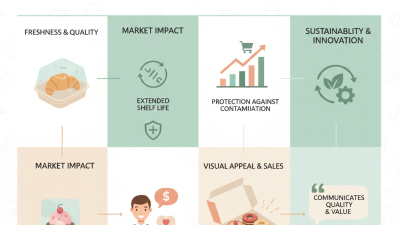
When considering pastry packaging, there are crucial factors to bear in mind. Packaging should protect the product and maintain freshness. The global packaging market is projected to reach over $500 billion by 2025, with sustainable options gaining traction. Interestingly, studies show that 62% of consumers prefer eco-friendly materials.
Choosing the right material affects shelf life and aroma retention. Use glassine paper for delicate pastries. It keeps moisture within while allowing breathability. Box sizes should match the product. An ill-fitting box can cause spoilage or breakage.
Tips: Always test different packaging options. Don’t assume one size or material fits all. Consumer preferences can vary widely. Evaluate designs frequently. Is your packaging appealing? Does it communicate quality? These questions matter. Prioritize visual appeal but don’t compromise on functionality.
Top 10 Pastry Packaging Options You Need to Know
Common Materials Used in Pastry Packaging
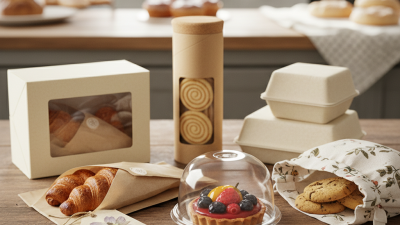
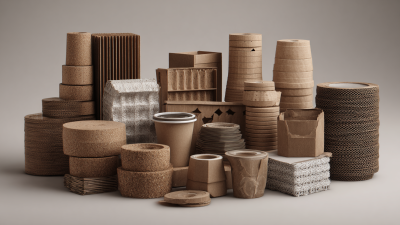
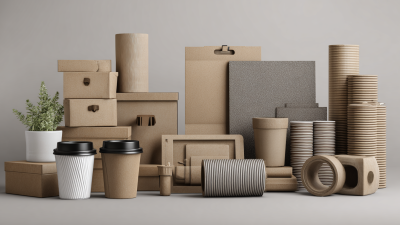
When it comes to pastry packaging, choosing the right materials is crucial. Common materials include cardboard, plastics, and biodegradable options.
Cardboard is favored for its sturdiness and cost-effectiveness. Research shows that the cardboard market is expected to grow by 5% annually. It provides excellent support, ensuring pastries remain intact during transport.
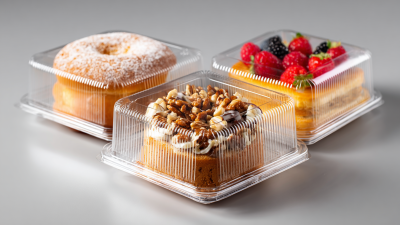
Plastics are often used for their versatility. They can be molded into various shapes and sizes, making them ideal for unique pastry designs. According to industry reports, the plastic packaging sector is projected to expand by 4.5% over the next five years.
However, the environmental impact of plastics cannot be ignored. Many consumers are shifting toward more sustainable choices.
Biodegradable materials are gaining popularity as eco-conscious options. These can break down naturally, reducing waste. Companies that adopt eco-friendly packaging often see a boost in customer loyalty. Yet, some biodegradable products may not meet the same durability standards as plastic. This raises questions about their long-term effectiveness. Balancing sustainability with practicality is an ongoing challenge in the packaging industry.
Creative Packaging Designs for Pastries
In the world of pastries, packaging plays a crucial role. Creative packaging designs not only attract customers but also protect the product. A study by the Flexible Packaging Association highlights that 88% of consumers focus on packaging before making a purchase. Packaging must engage, inform, and inspire.
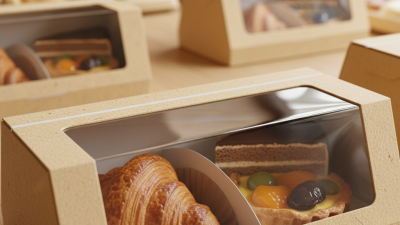
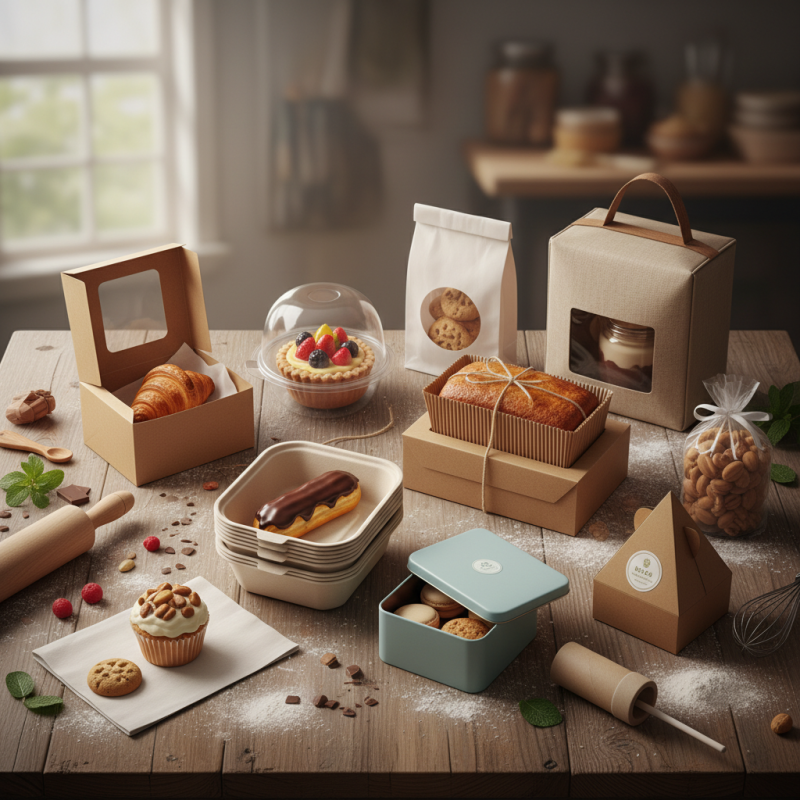
Unique shapes are vital. For example, triangular boxes can stand out on shelves. They offer an innovative look and can hold multiple items. Moreover, clear windows in packaging let customers see the pastries inside. This transparency increases trust and encourages purchases. Studies show that visual appeal can increase sales by up to 30%.
Sustainability is another important factor. Eco-friendly packaging materials resonate with today’s consumers. Packaged Facts reported that 74% of consumers seek sustainable options. This creates a chance for brands to showcase their commitment to the environment while still appealing to aesthetics. However, balancing durability and sustainability remains a challenge. Not all eco-friendly materials provide adequate protection. Brands must innovate to create the perfect blend of creativity and functionality.
Sustainable Packaging Solutions for Pastry Products
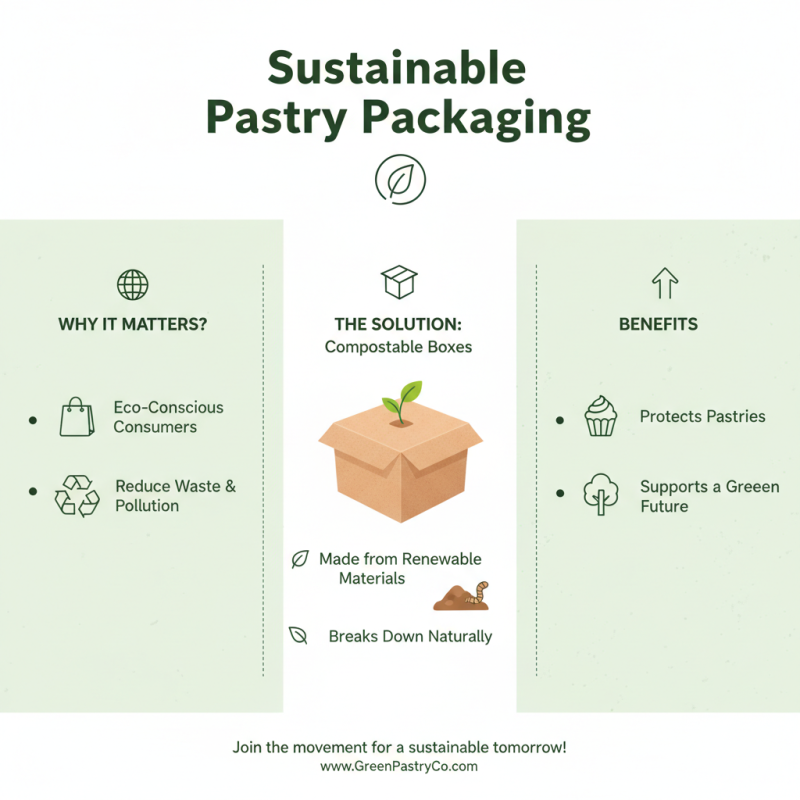
In today's world, sustainable packaging is crucial for pastry products. As consumers grow more environmentally conscious, brands must adapt. Many options exist, but not all are effective. Compostable boxes can hold pastries well and break down naturally. They are often made from renewable materials, reducing waste.
Another interesting choice is biodegradable wrapping. This option protects pastries while minimizing environmental impact. While it is a great alternative, it may not always provide the best barrier against moisture. Some brands struggle to balance aesthetics and functionality. Customers want appealing packaging that reflects their values.
Recyclable materials are also gaining popularity. Customers appreciate when they can dispose of packaging properly. However, it’s essential to communicate which parts are recyclable. Misleading information can lead to confusion. Overall, the shift towards sustainable packaging in the pastry industry presents opportunities and challenges. Marketers need to find solutions that resonate with their audience while ensuring product integrity.
Best Practices for Ensuring Freshness in Pastry Packaging
When it comes to pastry packaging, freshness is paramount. According to a recent industry report, 85% of consumers prioritize freshness when selecting pastries. Choosing the right packaging can significantly affect a product's shelf life and customer satisfaction.
One method to enhance freshness is to use breathable materials. These allow moisture to escape while keeping air out. Using parchment paper or biodegradable films can be effective. A study indicated that pastries wrapped in breathable materials have a 30% longer freshness compared to those in plastic.
Tip: Invest in vacuum sealing for delicate pastries. This method removes air, preventing staleness. However, remember that over-sealing can compress delicate pastries, impacting their texture.
Another consideration is the temperature control during storage. Pastries should be kept in a cool environment to minimize spoilage. For instance, refrigerated storage can extend the shelf life by up to 50%.
Tip: Monitor the humidity level in storage areas. High humidity can lead to soggy pastries, while too dry can accelerate staleness. Regular checks can prevent these issues.
Freshness isn’t just about the packaging. It involves a holistic approach, including storage and handling. Finding the right balance can sometimes be challenging, but the results speak for themselves.