
As the 139th Canton Fair approaches, trends in Opp Plastic Packaging are set to take the center stage. According to Dr. Emily Chen, a leading expert in sustainable packaging solutions, "The future of Opp Plastic Packaging lies in innovation and eco-friendliness." This insight highlights the industry's shift towards more sustainable practices amidst growing environmental concerns.
In recent years, there has been a notable increase in demand for advanced packaging solutions. The ongoing search for sustainable materials is reshaping the market. Manufacturers are now exploring alternatives that not only meet usability standards but also reduce carbon footprints. This dynamic landscape presents challenges. Some companies are yet to adapt, risking their competitiveness.
At the upcoming Canton Fair, attendees will witness cutting-edge designs and innovations in Opp Plastic Packaging. The introduction of AI intelligent search and navigation tools promises to streamline the sourcing process for buyers. However, the emphasis on sustainability raises questions about the longevity of certain packaging materials. The industry must continually reflect on better solutions to balance functionality and environmental impact.
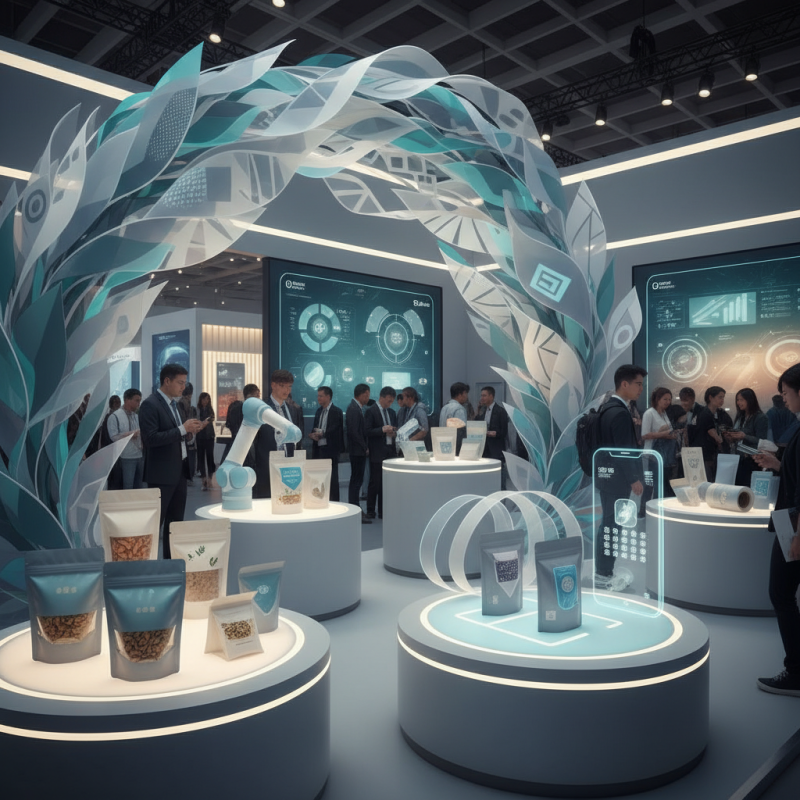
The 139th Canton Fair highlighted a significant trend in opp plastic packaging: the rise of eco-friendly materials. Growing environmental consciousness is driving brands to seek sustainable solutions. Reports indicate that around 74% of consumers prefer products in eco-friendly packaging. This shift prompts manufacturers to innovate.
One notable trend is biodegradable plastics. Many companies are now experimenting with plant-based materials. These alternatives help reduce reliance on petroleum-based plastics. An example is the use of cornstarch, which decomposes within months under proper conditions. This material can be functional yet sustainable.
Tips for adopting eco-friendly materials include evaluating your supply chain. Conduct an audit to identify opportunities for sustainability. Engage with suppliers who prioritize environmental impact. Consider consumer feedback, too. Many market studies show that brands committed to sustainability gain customer loyalty. Making small changes can lead to long-term benefits. Transitioning to eco-friendly packaging is not just a trend; it is becoming essential for business success.
The 139th Canton Fair showcased several trends in OPP plastic packaging that highlight innovative designs. These designs focus on enhancing product visibility and engaging consumers in meaningful ways. According to a recent report by Smithers PIRA, the global flexible packaging market is set to reach $300 billion by 2025. This growth is driven by consumer demand for eye-catching packaging.
New design techniques are transforming how products are presented. For example, transparent packaging allows consumers to see the product inside clearly. This boosts commercial appeal and encourages purchases. Researchers found that products with visible packaging can increase sales by nearly 20%.
Sustainability remains a critical theme. Many companies are exploring eco-friendly materials and practices. However, some designs fail to balance sustainability with effective branding. While innovations are promising, they can sometimes come with challenges. There is a need for continuous improvement in design that meets both aesthetic appeal and environmental standards.
The 139th Canton Fair showcased vibrant trends in OPP plastic packaging. Sustainability practices were at the forefront. Many companies introduced biodegradable materials. These materials aim to reduce environmental impact. However, the effectiveness of these alternatives is still debated.
Innovative designs caught the attention of many attendees. Flexible packaging options stood out, offering convenience and reduced waste. Yet, questions remain regarding their recyclability. Can they be recycled in local facilities? This uncertainty undermines their eco-friendly claims.
The move towards sustainability is promising but still imperfect. Some businesses are hesitant to transition. The costs associated with sustainable materials can be high. Better technology is needed to make these shifts viable. Educational efforts are also essential to promote better practices throughout the industry.
The 139th Canton Fair showcased notable trends in OPP plastic packaging. A key focus was on technological integration in manufacturing processes. For instance, the use of AI-driven tools in production has increased efficiency. According to a recent industry report, companies leveraging automation see a 20% rise in output speed.
However, the pursuit of efficiency often overlooks sustainability. Many manufacturers still rely heavily on single-use plastics. This contradicts the industry's shift towards environmentally friendly practices. Data indicates that over 30% of packaging produced in 2022 failed to meet eco-standards. This raises questions about the true commitment to sustainable solutions.
Additionally, integrating advanced technology can lead to higher initial costs. Many small to mid-sized companies hesitate to invest. They fear not recouping the expenses in the long term. The balance between technological advancement and financial viability is a pressing issue. As the industry evolves, stakeholders must address these challenges to ensure a holistic approach.
At the 139th Canton Fair, OPP plastic packaging showed significant evolution. Regulatory influences are shaping this market. Governments worldwide are focusing on sustainability. Stricter regulations push manufacturers to innovate. It is essential for companies to adapt quickly.
Emerging trends include biodegradable options. Many producers are exploring eco-friendly materials. Not all alternatives are effective, however. Some still lack comprehensive testing. There’s a need for materials that perform well over time. Transparency is vital for consumer trust.
Tips: Companies should prioritize compliance. Keeping updated on new regulations is crucial. Collaborate with environmental experts to enhance product designs. Additionally, focus on consumer education. People must understand the benefits of new packaging options. This approach helps build brand loyalty and future-proof your business.