
Seaweed Extract Fertilizer is gaining attention among growers seeking tools to support crop performance and soil management. Yet products under this label can differ sharply. Their seaweed species, extraction methods, concentration, and added nutrients shape what a grower actually receives. A bottle’s bold claims tell only part of the story. The label and technical data deserve a closer look.
Seaweed researcher John S. Craigie’s 2011 review discusses seaweed extracts in agriculture and their reported effects on plant growth and stress responses. That distinction matters: these products are not interchangeable, and results depend on formulation, crop, and growing conditions. Details matter. This guide introduces ten worldwide suppliers and considers practical comparison points, including product range, sourcing information, quality documentation, and application guidance. It does not treat a supplier’s scale or marketing language as proof of field performance.
The category is not perfectly tidy. Some products combine seaweed extract with nutrients or other ingredients, making direct comparisons harder. Buyers should check specifications, request relevant trial data, and confirm that recommendations suit their crop and production system. A clear origin statement and batch information can also help with routine quality checks. No supplier is right for every farm. The following overview offers a grounded starting point, not a guarantee of results. A careful choice begins with evidence—and sometimes with asking one more question.
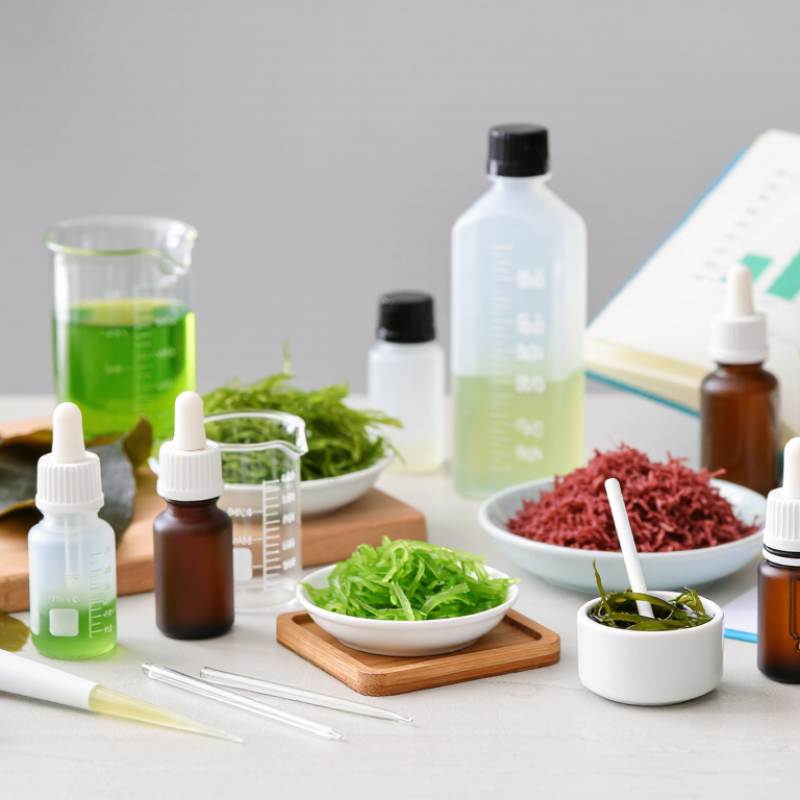
Seaweed extract fertilizer is made from marine algae, often brown seaweed harvested from coastal waters or cultivated farms. It is processed into liquid or dry products for soil or foliar application. Depending on the source and method, extracts may contain potassium, trace minerals, and naturally occurring plant compounds. Their levels vary, so the product is not automatically a complete fertilizer. Small details matter.
Production commonly begins with sorting and rinsing harvested seaweed to remove sand, salt, and other debris. The material is then chopped and extracted, often using water, heat, enzymes, or carefully controlled alkaline conditions. Filtration removes solids; the liquid may be concentrated or dried into powder. Processing choices affect the final composition. A darker liquid does not necessarily mean a stronger product.
Assessing seaweed fertilizer suppliers worldwide takes more than comparing prices. Start with the product itself: ask which seaweed species are used, where they are harvested, and how the extract is processed. Clear answers make it easier to judge consistency. A supplier should also provide a current specification sheet and batch-level test results, including nutrient content, pH, and relevant contaminant checks. Paperwork matters.
Look for practical evidence, not broad promises. Ask for trial data on crops and growing conditions similar to yours, and check whether results were measured against an untreated control. If the evidence is limited, treat performance claims cautiously. A small field or greenhouse test can reveal whether the product mixes cleanly, leaves residue, or fits existing application equipment. Real conditions can be messy.
Reliability also depends on traceability, packaging, and delivery. Confirm how batches are identified and stored, how long the product remains usable, and whether shipping schedules suit your planting calendar. Ask technical staff specific questions about dilution and application timing. Their answers should match the product label and test documents. Some suppliers may have strong records but uneven support across regions; that is worth checking before a large order. Compare written details, then keep notes from your own trial.
Seaweed extract suppliers differ in feedstock, extraction method, and formulation, not just product labels. FAO’s 2024 State of World Fisheries and Aquaculture reports 37.8 million tonnes of aquatic algae production in 2022, with 97 percent farmed. That figure describes biomass, not fertilizer output. Important distinction.
Ten supplier profiles span distinct offerings. Coastal processors supply cold-extracted liquid kelp, while enzyme-focused producers offer hydrolysates. Fermentation plants sell fermented liquids; drying facilities make soluble powders and seaweed meal. Formulators blend extracts with humic substances or micronutrients. Other suppliers specialize in foliar sprays, soil granules, or bulk contract batches. These are useful differences.
A buyer should request the seaweed species, harvest region, extraction details, and batch analysis. Check solubility if the product will pass through drip lines. A darker liquid is not necessarily stronger; color alone proves little. Field performance can vary with crop, soil, and application rate. Some supplier claims are hard to compare without shared test methods. Ask for trial data, not just a polished brochure.
Seaweed extract fertilizers are used in vegetable, fruit, and field-crop production, often as foliar sprays or through irrigation systems. Growers may apply them around transplanting or during active growth to support crop development. They are not complete fertilizers and cannot replace a balanced nutrient program. Not a cure-all. Results can vary with crop, soil, weather, and extract composition, so field trials matter more than broad promises.
Suppliers serve markets across Asia, Europe, Africa, and the Americas, linking coastal seaweed harvests with farms far inland. Processing methods, shipping distances, and seasonal harvests can affect product consistency and availability. Buyers should compare nutrient information, application guidance, and batch documentation, rather than relying on a supplier’s location alone. Long supply chains can help widen access, but they may also make delivery timing less predictable.
Tips: Start with a small test area and follow the product directions. Check compatibility before mixing with other inputs. Keep records of application dates, weather, and crop response; the results may be subtle, and not every season will offer a clear answer.
Global seaweed production is concentrated in Asia, the primary region supplying the raw seaweed used in many extract-based agricultural products.
How to read this chart: Asia accounts for approximately 97% of global seaweed production; the remaining regions account for approximately 3%. These figures describe raw seaweed production, not fertilizer sales or supplier market share. Seaweed extracts are used in agriculture in products applied as foliar sprays, soil treatments, and seed treatments. Source: FAO, The State of World Fisheries and Aquaculture 2022.
Choosing among the top seaweed extract fertilizer suppliers worldwide takes more than comparing price per kilogram. Ask for recent, batch-specific certificates of analysis and check whether they report key nutrients, pH, moisture, and relevant contaminant results. A clear document should identify the tested batch and explain the laboratory method. Details matter. Solubility also matters: a sample that leaves grit in a jar may clog filters during application. Request a small sample and test it with your own water and equipment. Supplier claims deserve questions, not automatic trust.
Sustainability starts at the shoreline. Ask where seaweed is harvested, whether collection is managed to protect regrowth, and how the supplier tracks raw materials through processing. Water and energy use, drying methods, and packaging can also affect the product’s footprint. Good answers should be specific and documented. Vague promises are hard to verify. Compare suppliers on consistent batch quality, practical technical support, delivery reliability, and willingness to share sourcing records. Then run a modest field trial across more than one crop or soil condition. Results can vary with weather, water quality, and application timing. One trial is not proof. Even careful selection leaves uncertainty, and that deserves honest discussion.
Sourcing-origin comparison, not a ranked directory of named companies. Entries describe established seaweed-producing regions and associated feedstocks; actual species, harvesting methods, product specifications, and certifications vary by supplier and product.
| No. | Sourcing origin | Common feedstock and sourcing context | Quality evidence to request | Sustainability checks | Supplier-selection focus |
|---|---|---|---|---|---|
| 1 | Atlantic Canada | Ascophyllum nodosum, commonly gathered from intertidal areas. | Batch-specific certificate of analysis (CoA); species and origin traceability; tested heavy metals and microbiological limits. | Ask for harvest permits, harvest-area controls, and evidence that collection limits and regrowth intervals are followed. | Confirm year-round supply, consistent solids content, and specifications for the intended crop and application method. |
| 2 | Maine, United States | Ascophyllum nodosum is a recognized seaweed resource along the Gulf of Maine coast; products may be made from dried or processed biomass. | CoA with nutrient analysis, pH, soluble solids, and contaminant results; written lot-to-lot specification limits. | Verify applicable state and local harvest authorizations, collection methods, and monitoring of harvest areas. | Check U.S. state fertilizer or soil-amendment requirements for the product’s claims and destination states. |
| 3 | Ireland | Ascophyllum nodosum is a characteristic North Atlantic brown seaweed and a common raw material for seaweed extracts. | CoA, botanical identification, extraction-process description, and contaminant testing for each production lot. | Request traceability to collection areas and documentation of permits, harvest controls, and transport impacts. | Compare extraction method, concentration, storage stability, and compatibility with tank mixes or fertigation. |
| 4 | Norway | North Atlantic seaweed resources include Ascophyllum nodosum and other brown algae; the exact feedstock depends on the collection area. | Species- and origin-specific documentation; CoA including heavy metals, pH, and key declared nutrients. | Check harvesting permissions and whether collection is managed to avoid damage to habitat and non-target seaweed beds. | Ask for seasonal supply planning and evidence that specifications remain consistent across harvest periods. |
| 5 | Brittany, France | Regional kelp resources include Laminaria digitata and Saccharina latissima; feedstock and wild or cultivated status are source-specific. | CoA, species and harvest-area traceability, product composition, and contaminant results against relevant buyer limits. | Confirm harvesting authorization or cultivation records, plus controls for habitat impacts and waste from processing. | For EU sales, verify the applicable route under Regulation (EU) 2019/1009 and the product’s permitted claims. |
| 6 | South Africa | Ecklonia maxima is a southern African kelp used as a feedstock in some agricultural seaweed products. | CoA, species confirmation, extraction-process details, and batch testing for heavy metals and microbial quality. | Request evidence of lawful harvesting or cultivation and controls protecting coastal habitats and local biodiversity. | Review export documentation, shipping lead times, storage conditions, and performance data relevant to the target crop. |
| 7 | Chile | Macrocystis pyrifera is a large brown kelp found along the Chilean coast; sourcing and permitted uses should be confirmed for each product. | CoA with identity, moisture or solids, nutrient declarations, and contaminant results; traceability to the harvest area. | Check local harvest authorization, harvest method, and evidence of compliance with any area-specific management measures. | Evaluate supply continuity, freight and import requirements, and product stability after long-distance transport. |
| 8 | China | Saccharina japonica is a widely cultivated kelp species in East Asian aquaculture; confirm that it is the actual ingredient in the offered product. | CoA, farm or source traceability, ingredient identity, and testing for heavy metals and microbiological quality. | Request farm records, water-quality controls, responsible nutrient-use practices, and wastewater-management information. | Validate documentation with independent testing and check import, labeling, and registration rules in the destination market. |
| 9 | South Korea | Undaria pinnatifida and Saccharina japonica are cultivated seaweeds in the region; the species used in an extract must be verified product by product. | Batch CoA, farm or harvest-area traceability, extraction details, and documented contaminant limits. | Review cultivation-site records, water-quality monitoring, biosecurity measures, and responsible handling of processing residues. | Request samples and field-trial evidence; confirm formulation compatibility and regulatory status in the intended market. |
| 10 | Japan | Saccharina japonica and Undaria pinnatifida are cultivated seaweeds; processing suitability depends on the species and extraction method. | CoA, species and origin records, declared nutrient content, and independent contaminant testing where required by the buyer. | Ask for cultivation and water-monitoring records, traceable biomass handling, and information on energy and water use in processing. | Compare technical support, minimum order quantity, batch reproducibility, and documented crop-trial results. |
Buyer note: A quality or environmental management certificate, such as ISO 9001 or ISO 14001, relates to a management system and does not by itself prove fertilizer efficacy, organic eligibility, or regulatory approval. Confirm current certification scope, product-specific documentation, and requirements in the destination market.