Top 10 Tips for Choosing Packaging Materials Effectively?

Choosing the right packaging materials is crucial for any business. Expert Jessica Martinez, a packaging consultant, emphasizes, "The right materials can transform a product's appeal." Her insight reminds us that packaging is not just about protection; it’s about perception.

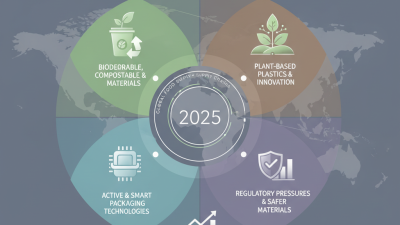
When selecting packaging materials, think about the product's nature. Consider the fragility and weight. The wrong choice might damage the item or lead to excessive costs. Sustainability is another key factor. Eco-friendly materials are preferable for modern consumers. They want brands that reflect their values. However, balancing cost and sustainability can be difficult.

Flexibility in design is important too. Packaging can affect shelf life and storage efficiency. Test various options to find what works best. Sometimes experimentation leads to the best results. The search for the perfect packaging materials is ongoing. It's a journey filled with trial and error, but necessary for success.

Top 10 Tips for Choosing Packaging Materials Effectively?

Understanding the Role of Packaging in Product Protection and Branding

Packaging plays a crucial role in product protection and branding. According to a recent report from Smithers Pira, effective packaging can reduce product damage by up to 30% during transit. This means choosing the right materials is not just about aesthetics; it directly impacts a product’s integrity. For fragile items, durable materials such as rigid boxes or foam inserts are vital. However, these choices can also increase costs, requiring careful budget management.

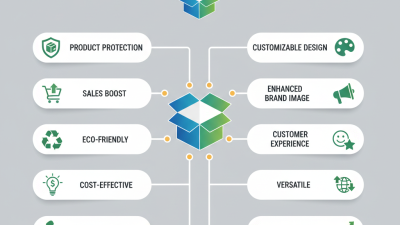
Additionally, branding is significantly influenced by packaging. Nearly 72% of consumers admit that packaging design affects their purchasing decisions, as noted in a study by Nielsen. A striking design can capture attention quickly, but it must align with the brand’s values. Using sustainable materials can enhance consumer perception, especially among eco-conscious buyers. Nonetheless, not every company is ready to invest in eco-friendly options. This creates a dilemma between cost efficiency and brand image.

It's important to reflect on these choices. Packaging that fails to protect the product may lead to higher return rates and damaged reputations. Poor design can alienate potential customers. Striking the right balance between protection and branding is not always straightforward. Each decision should be guided by data and aligned with the company's strategic goals.
Key Factors to Consider When Selecting Packaging Materials

Top 10 Tips for Choosing Packaging Materials Effectively?

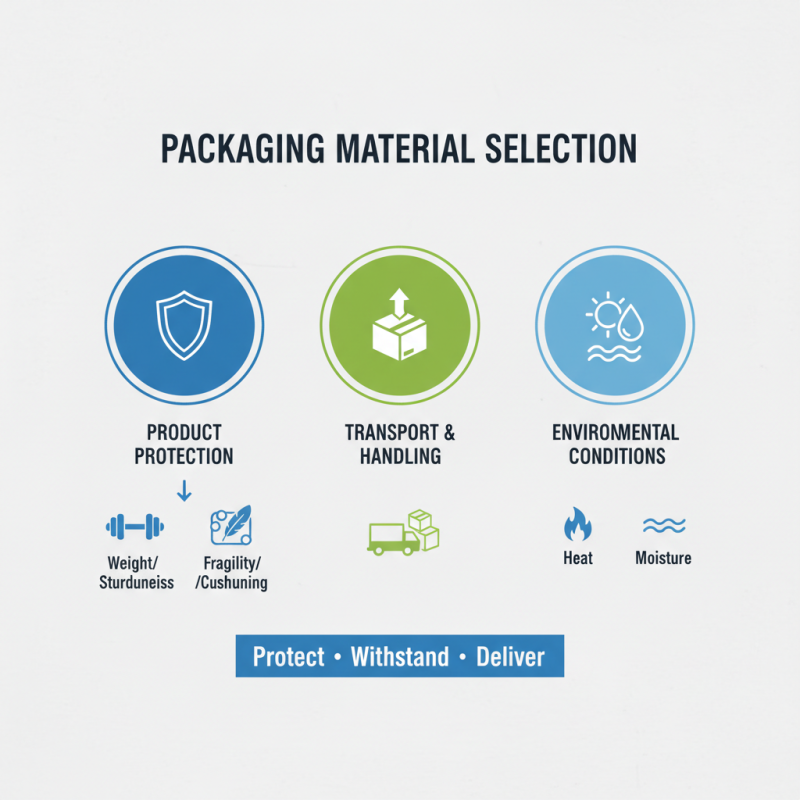
When selecting packaging materials, several key factors should be considered. The material must protect the product during transport and handling. Think about the weight and fragility of your items. A heavy item needs sturdy materials, while a fragile one requires additional cushioning. Ensure the packaging can withstand environmental conditions, such as heat or moisture.

Another important factor is sustainability. Many consumers prefer eco-friendly options. Explore biodegradable or recyclable materials. This choice can boost your brand image. However, evaluate the cost and availability. Sometimes, eco-friendly materials may not meet all your product needs.

Cost is often a significant concern. While it’s tempting to choose the cheapest option, think long-term. Poor quality packaging can lead to more returns and customer complaints. Balance quality and cost for effective packaging. Test different materials to find the best fit. It’s a process of trial and error. Be prepared to reassess your choices as your business evolves.

Comparing Different Types of Packaging Materials and Their Uses

Top 10 Tips for Choosing Packaging Materials Effectively?

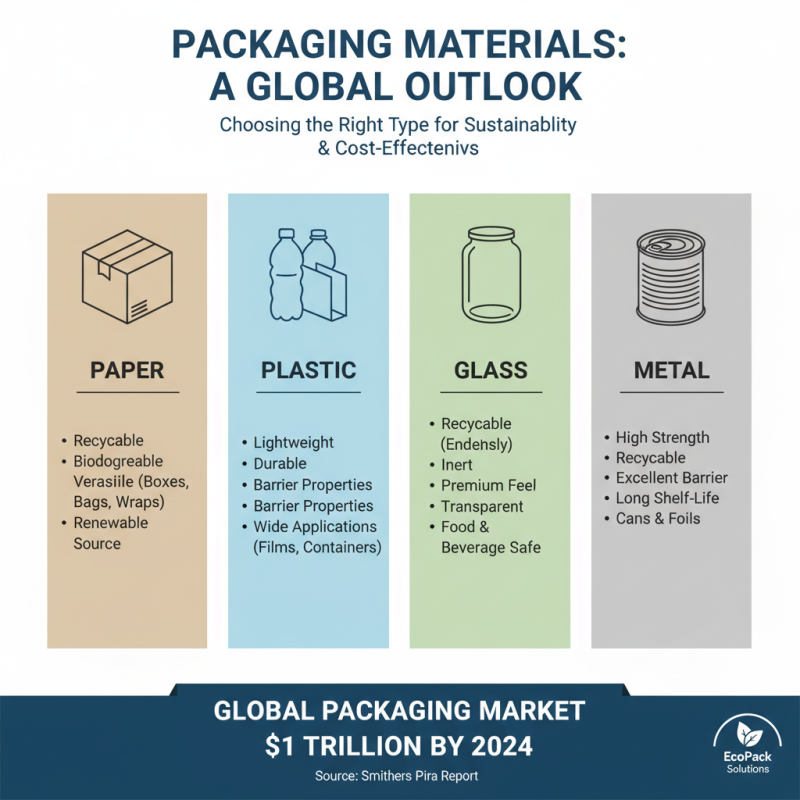
When selecting packaging materials, understanding different types is essential. Many businesses rely on paper, plastic, glass, and metal. According to a report by Smithers Pira, the global packaging market is projected to reach $1 trillion by 2024. This highlights the importance of choosing the right materials for sustainability and cost-effectiveness.

Paper packaging is biodegradable and recyclable, making it a popular choice. It accounts for about 36% of the global packaging market, according to the same report. However, its water resistance is limited, which can affect product safety. Plastic, on the other hand, offers durability and lightweight solutions. It holds approximately 25% market share but poses environmental challenges due to its non-biodegradable nature.

Glass and metal packaging are known for their protective attributes. Glass is 100% recyclable, retaining its quality. However, it can be heavy and fragile. Metal, ideal for long-term storage, ensures product integrity. It is also recyclable but may not be suitable for all product types. These factors require careful consideration when selecting materials, balancing functionality with sustainability. Many companies struggle to find this balance, leading to potential waste and increased costs.

Sustainable Packaging Options and Their Environmental Impact

Choosing sustainable packaging options is crucial in today’s eco-conscious market. These materials can significantly reduce waste and environmental impact. For instance, biodegradable plastics break down naturally and lessen long-term pollution. Using recycled materials also minimizes the need for virgin resources, helping to conserve energy and reduce emissions.

Yet, sustainable doesn't always mean effective. Some biodegradable options may not decompose properly if not disposed of correctly. Similarly, recycled materials can sometimes lack durability. It's important to consider the entire lifecycle of packaging materials. Are they functional, cost-effective, and truly environmentally friendly? Balancing these factors can be challenging but necessary for better decision-making.

Exploring alternative materials is key. Options like bamboo, glass, and compostable solutions are gaining popularity. Each has unique benefits and drawbacks. Bamboo is renewable but may not be suitable for all products. Glass is recyclable but heavier and more fragile. Consumers should remain informed and reflective, always seeking improvements in packaging choices. By being aware of these complexities, we can promote a more sustainable future.

Top 10 Tips for Choosing Packaging Materials Effectively

Cost-Effectiveness: Balancing Quality and Budget in Packaging Choices

Cost-effectiveness in packaging is crucial for businesses today. Selecting materials requires a balance between quality and budget. Many companies aim for the cheapest option, but this can backfire. Imagine a fragile item in a thin box. The cost saved on packaging is lost in damaged goods.


When choosing packaging materials, consider the durability. A sturdy option may cost more upfront but can save money down the line. Think about eco-friendly materials. They might have a higher initial price, but they attract more customers and can improve brand perception.


Another tip is to assess bulk purchasing. Buying in larger quantities often reduces overall costs. However, avoid overstocking materials that may not fit all products. Excess waste can lead to higher costs eventually. Ensure to balance the choices based on product needs and customer expectations. Remember, sometimes saving a little now can lead to losing a lot later.