2026 Top Trends in Paper Food Packaging Innovations and Sustainability?

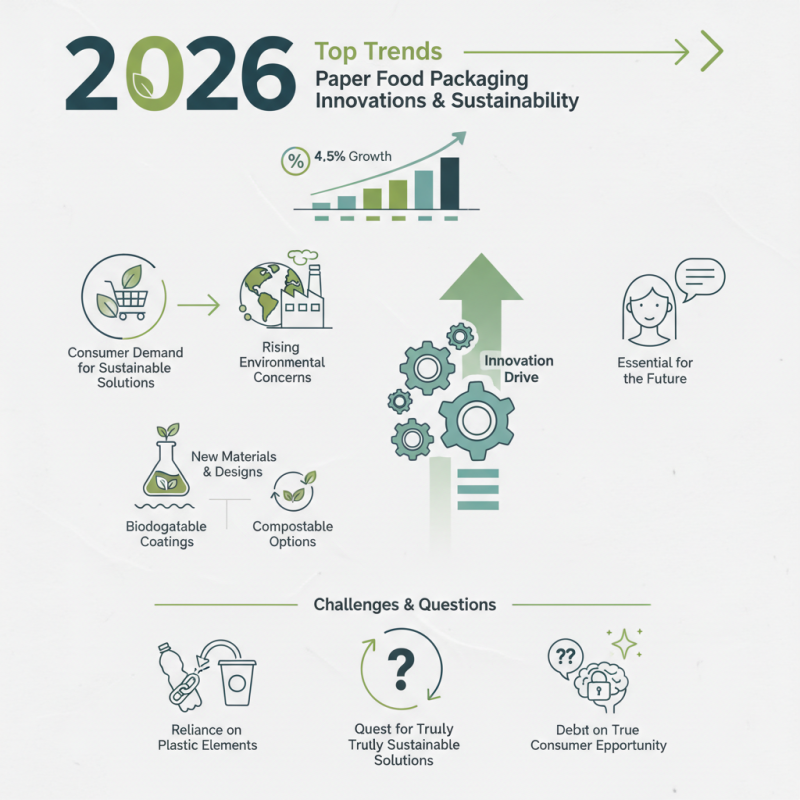
The landscape of paper food packaging is evolving rapidly. According to a recent market report by Smithers, the global paper food packaging industry is projected to grow by 4.5% annually until 2026. This growth reflects increasing consumer demand for sustainable solutions. With rising environmental concerns, businesses are rethinking traditional packaging methods.

Experts emphasize the importance of this shift. Dr. Emily Foster, a leading industry analyst, stated, "Sustainable paper food packaging is not just a trend; it is essential for the future." The drive for innovation is visible in new materials and designs. Companies are now experimenting with biodegradable coatings and compostable options to reduce waste.

However, the journey is not without challenges. Many products still rely on plastic elements. There is also a debate around the actual sustainability of some options. Effective education for consumers is lacking. As brands navigate this complex landscape, the quest for truly sustainable paper food packaging solutions continues. The opportunity to lead in this area is significant, but unresolved questions remain.
2026 Top Trends in Paper Food Packaging Innovations and Sustainability?

Emerging Materials in Paper Food Packaging for 2026

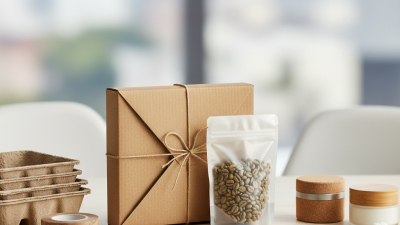
As we look towards 2026, the evolution of paper food packaging is clearer than ever. Emerging materials show promise for enhancing sustainability. For instance, new biodegradable coatings can replace traditional plastics. These coatings break down easily, reducing environmental impact. The push for compostable materials is gaining momentum.

Some innovative materials include recycled paper infused with plant-based fibers. This combination offers durability and a lower carbon footprint. However, not all advancements come without challenges. Ensuring these new materials maintain food safety is essential. There's a gap between innovation and practical application that needs attention.

Moreover, the transition may ignite skepticism among consumers. They often question the effectiveness of these new solutions. Striking a balance between functionality and sustainability remains complex. Understanding the trade-offs in production and performance will be key. The journey towards greener paper food packaging is filled with possibilities, yet reflection and adaptation are crucial.
Innovative Designs Enhancing Functionality and Aesthetics

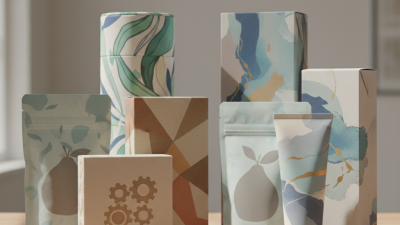
The world of paper food packaging is evolving. Innovative designs enhance both functionality and aesthetics. Consumers are drawn to packaging that captivates their attention. Colors, textures, and unique shapes play a crucial role. For instance, vibrant patterns can communicate freshness and quality. Yet, we must balance these elements with functionality.

Sustainable materials are becoming essential. New technologies allow for biodegradable options that look great. However, some designs may sacrifice sturdiness for appearance. This can lead to practical issues, like leaks or breakage. In the pursuit of beauty, we sometimes overlook functionality. It is vital to find a middle ground. Development in this area requires constant testing and feedback.

Moreover, aesthetics must align with consumer values. Packaging should tell a story about sustainability. Eco-friendly choices must be visually appealing. Simple, minimal designs can also communicate elegance and care for the planet. However, achieving this harmony remains a challenge. Brands often struggle to reconcile visual appeal with practical needs. Continuous innovation and thoughtful design will shape the future of paper packaging.

Sustainable Manufacturing Processes in Paper Packaging

Sustainable manufacturing processes in paper packaging are rapidly evolving. According to a recent industry report, over 70% of companies aim to implement eco-friendly practices by 2026. This shift is driven by consumer demand for sustainability and stricter environmental regulations. Manufacturers are exploring alternatives to traditional paper sourcing, seeking certifications that ensure responsible forestry.

Emerging technologies are reshaping the paper packaging landscape. Using recycled materials is becoming more common. In fact, 50% of paper packaging now includes recycled content. This not only reduces waste but also conserves resources. However, the challenges remain. Some companies struggle with the consistency of recycled fibers. Maintaining quality while being environmentally conscious requires balancing innovation and reliability.

Additionally, water consumption in the paper production process has decreased. Reports suggest a reduction of up to 30% in water usage among leading manufacturers. Nevertheless, room for improvement exists. Many facilities still rely on outdated methods that lead to inefficiencies. Emphasizing continuous improvement is vital for achieving sustainable goals. The industry must reflect on these obstacles and pave the way for a greener future.

2026 Top Trends in Paper Food Packaging Innovations and Sustainability

Shifts in Consumer Preferences for Eco-Friendly Packaging

2026 Top Trends in Paper Food Packaging Innovations and Sustainability?

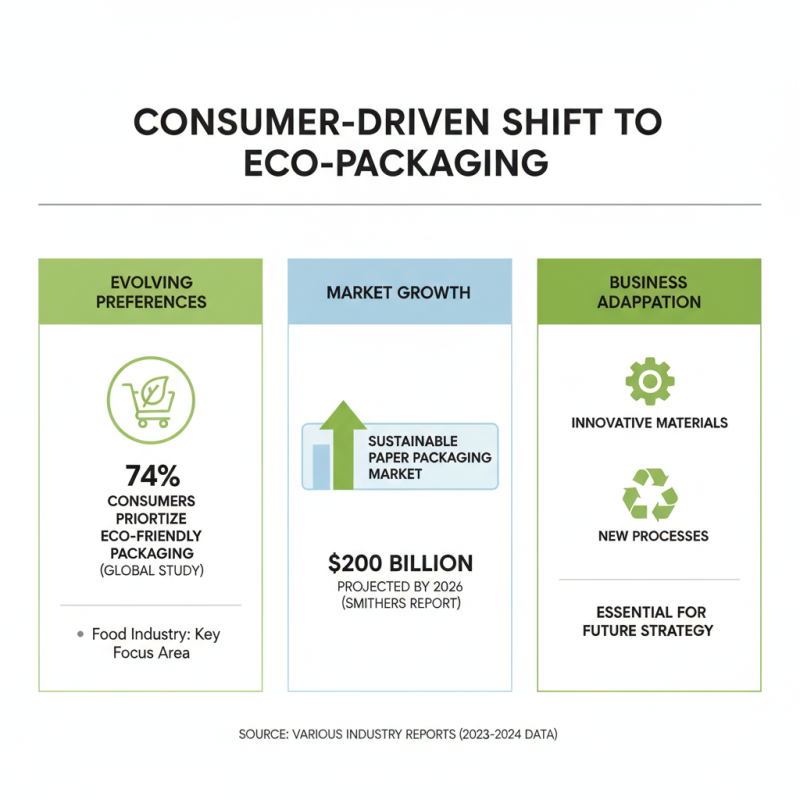
Consumer preferences are rapidly evolving. Recent studies show that 74% of consumers prioritize eco-friendly packaging. In the food industry, this trend is reshaping business strategies. For instance, a report from Smithers indicates that the global market for sustainable paper packaging is projected to reach $200 billion by 2026. Innovative materials and processes are becoming essential to meet these demands.

Many brands are exploring bioplastics and recycled materials. However, not all sustainable options are created equal. Inadequate recycling infrastructure hinders the effectiveness of these solutions. A lack of awareness among consumers can lead to unintended waste. Some believe they are choosing eco-friendly products, yet they may not be truly sustainable. Current consumer education efforts must improve to ensure informed choices.

Shifts in preferences also reflect a desire for transparency. Consumers want to know where their packaging comes from. They demand clarity on the materials' environmental impact. Companies that fail to communicate their sustainability efforts risk losing market share. The shift towards eco-friendly packaging is not just a trend; it’s a necessity for long-term success.

Regulatory Trends Promoting Sustainable Packaging Innovations

Regulatory trends are shaping the future of sustainable packaging. Governments worldwide are implementing stricter rules. These regulations aim to reduce waste and promote eco-friendly materials. For example, some regions are banning single-use plastic. This shift encourages innovation in paper food packaging.

Businesses are responding to these challenges. They are investing in biodegradable materials. They seek to create packaging that breaks down naturally. Some companies are exploring plant-based coatings. This change is vital for compliance and consumer demand.

Tip: Research local regulations. Understand what materials are permitted in your area.

Moving towards sustainability also means rethinking design. Effective packaging must remain functional while being eco-friendly. Sometimes, this means simplifying designs to reduce material use. It’s not always easy, but it's crucial for long-term success.

Tip: Engage customers. Consider their input on sustainable practices. Their feedback can refine your strategy.

The path is filled with obstacles. Not every solution will be perfect. Continuous improvement is necessary. Companies should remain flexible and adapt to new regulations and consumer preferences.