
Top Uses of HPMC for Sale in 2026 What You Need to Know?

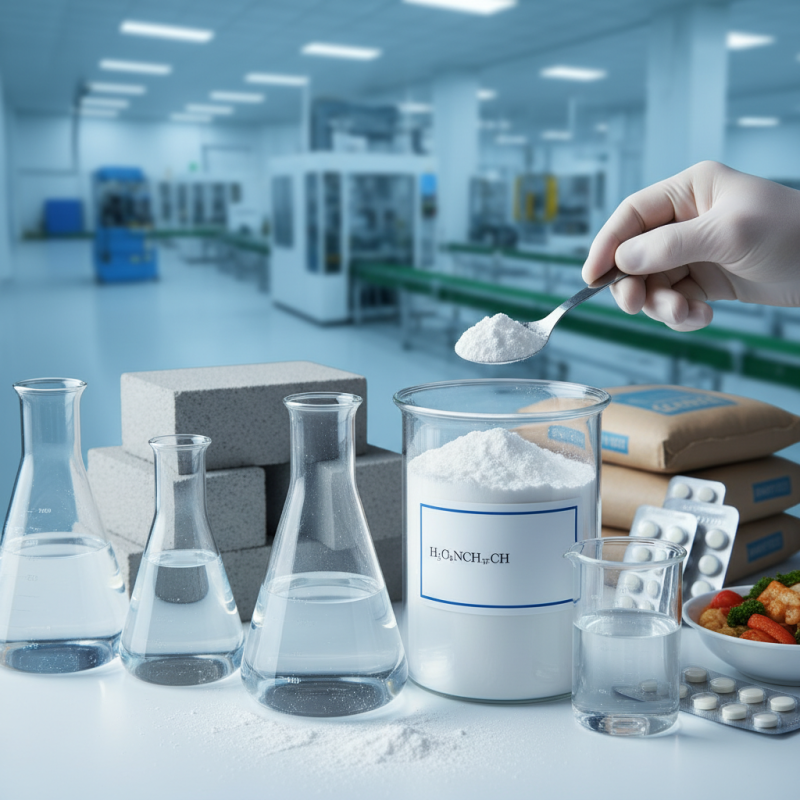
In 2026, the demand for HPMC is projected to rise significantly. Hydroxypropyl methylcellulose (HPMC) offers vital applications across various industries, including pharmaceuticals, construction, and food. According to a recent market report by Research and Markets, the global HPMC market is expected to reach $1 billion by 2026. This surge reflects its versatility and importance.

Expert Dr. Emily Chen, a leading figure in the HPMC sector, commented, "The availability of hpmc for sale is crucial for meeting the growing market needs." Her insight highlights the ongoing challenges related to production and supply chain efficiency. Companies must address these concerns to stay competitive.

As industries evolve, manufacturers need to adapt. However, many still struggle with integrating HPMC into their products effectively. The necessity for innovation in HPMC formulations cannot be overlooked. It's vital to bridge the gap between supply and application potential. The future of hpmc for sale hinges on overcoming these hurdles while ensuring quality and compliance.
Top Uses of HPMC for Sale in 2026 What You Need to Know?

Top Applications of HPMC in Various Industries for 2026

Hydroxypropyl Methylcellulose (HPMC) is gaining traction in multiple industries in 2026. Its versatility makes it essential in construction, pharmaceuticals, and food applications. According to a recent market report, the demand for HPMC is projected to grow at a CAGR of around 7% from 2021 to 2026. This growth reflects its utilization in formulating eco-friendly products.

In the construction sector, HPMC enhances the performance of mortars and adhesives. It improves workability and water retention. Reports indicate that HPMC helps create energy-efficient buildings by minimizing energy consumption. However, there are challenges, such as ensuring consistent product quality and reproducibility in manufacturing processes.

Pharmaceutical applications of HPMC are critical. Its use as a binder and sustained-release agent in tablets is increasingly common. Data suggests that HPMC offers improved bioavailability for oral formulations. However, balancing cost and efficacy remains a challenge. Quality control often needs better standardization across different manufacturing facilities.

Food industries are exploring HPMC as a thickener and emulsifier. It's recognized for its ability to maintain a stable texture in products. Yet, understanding its long-term effects on health is an area that needs more research. The complexity of regulations around food additives also complicates its use.

Market Demand Forecast for HPMC: Trends and Projections

Hydroxypropyl methylcellulose (HPMC) is gaining popularity across various industries. The construction sector is one of the main consumers. It is used in tile adhesives, plaster, and paints. Its ability to enhance workability and water retention makes it invaluable. As construction projects increase in 2026, HPMC demand will likely spike.

In the pharmaceutical and food industries, HPMC's role is crucial. It serves as a binder, a film-forming agent, and a stabilizer. This versatility is particularly appealing. The rising focus on natural and clean-label products contributes to its demand. However, there are concerns about sourcing and sustainability of raw materials. Manufacturers need to consider eco-friendly alternatives to meet consumer expectations.

Market projections indicate a steady growth rate over the next few years. Yet, fluctuations in pricing and supply can pose challenges. Companies must navigate these dynamics carefully. Understanding market trends will be essential for strategic planning. Balancing innovation with practical solutions can drive success. Taking these factors into account will shape the future landscape of HPMC usage.

Key Benefits of Using HPMC in Construction and Building Materials

HPMC, or Hydroxypropyl Methylcellulose, is gaining traction in the construction industry. Its unique properties provide numerous benefits in building materials. One key advantage is its water retention ability. This characteristic ensures that cement and mortar retain moisture longer, which is crucial for proper curing. Extended curing time leads to more durable structures.

Another benefit is the enhanced workability it provides. HPMC improves the consistency and flow of cement-based mixtures. This makes application easier for workers. It reduces the risk of air pockets, ensuring a smooth finish on walls and surfaces. The optimal balance of viscosity and ease of use is a significant plus for construction projects.

However, it's not all perfect. Some users report challenges in mixing ratios. Too much HPMC can lead to overly thick mixtures. This presents a learning curve for contractors new to this material. Balancing performance and practicality requires experience. Continuous evaluation and adjustment are vital for success in using HPMC.

HPMC's Role in Pharmaceutical Formulations and Drug Delivery Systems

Hydroxypropyl methylcellulose (HPMC) plays a critical role in pharmaceutical formulations and drug delivery systems. This versatile polymer is widely used due to its unique properties. According to a recent industry report, HPMC is expected to see a substantial growth rate, projected at 6% over the next few years. Its applications in drug formulation are extensive. HPMC serves as a binding agent, ensuring uniform distribution of active ingredients in tablets.

Additionally, HPMC is known for its ability to control the release of drugs. This characteristic allows for extended-release and sustained-release formulations, enhancing patient compliance. Studies show that patients are more likely to stick to their medication regimens when dosages are spaced out effectively. Current data suggests that nearly 40% of new drug formulations utilize HPMC to improve bioavailability. However, challenges remain in optimizing its use.

In some cases, the viscosity of HPMC can lead to complications in manufacturing processes. Formulators must carefully balance the concentration of HPMC to achieve desired consistency. Furthermore, variations in source material can affect performance. These considerations highlight the need for ongoing research to fine-tune HPMC in pharmaceutical applications.

Environmental Considerations: Sustainability of HPMC Products in 2026

In 2026, the environmental sustainability of Hydroxypropyl Methylcellulose (HPMC) has become critical. HPMC is biodegradable, yet concerns remain regarding its production methods. Utilizing green manufacturing processes can significantly reduce carbon footprints. Reports indicate that more than 40% of HPMC produced currently lacks eco-friendly practices.

The demand for HPMC bottles is rising due to its versatility. However, industry experts warn that sourcing raw materials responsibly is essential. A study shows that around 30% of HPMC raw materials come from unsustainable sources. This statistic highlights the need for transparency in supply chains. As consumers become more eco-conscious, companies must prioritize sustainable sourcing and production.

Recycling rates for HPMC products are also a concern. Many products are not properly disposed of, leading to waste. In 2025, only 25% of HPMC products were recycled effectively. There is a glaring gap in systems aimed at improving this situation. Innovating recycling methods will help mitigate environmental impact significantly. More initiatives are required to promote a circular economy surrounding HPMC use.

Article Source: