
Fermentation with floating lid has become a popular technique among brewers and fermenters seeking enhanced flavor and aroma profiles. According to Dr. Emily Rousseau, a leading expert in fermentation science, “The floating lid technique allows for better gas exchange, leading to cleaner and more vibrant flavors.” This innovative method minimizes the risk of oxygen exposure, which can spoil the final product.
In practice, using a floating lid can help create a controlled environment for fermentation, particularly with delicate ingredients. For instance, a brewing enthusiast might notice that using this method with a fruit beer can yield brighter and more pronounced fruity notes. However, not every attempt will yield perfect results. One may find that adjustments are necessary to truly master the technique.
Brewers must be mindful of the specific conditions for their fermentation, such as temperature and ingredient variety. Experimentation is key, yet it is essential to document each trial for future reference. Adapting to the nuances of fermentation with floating lid can ultimately lead to outstanding brews, but it requires patience and a willingness to learn from each batch.
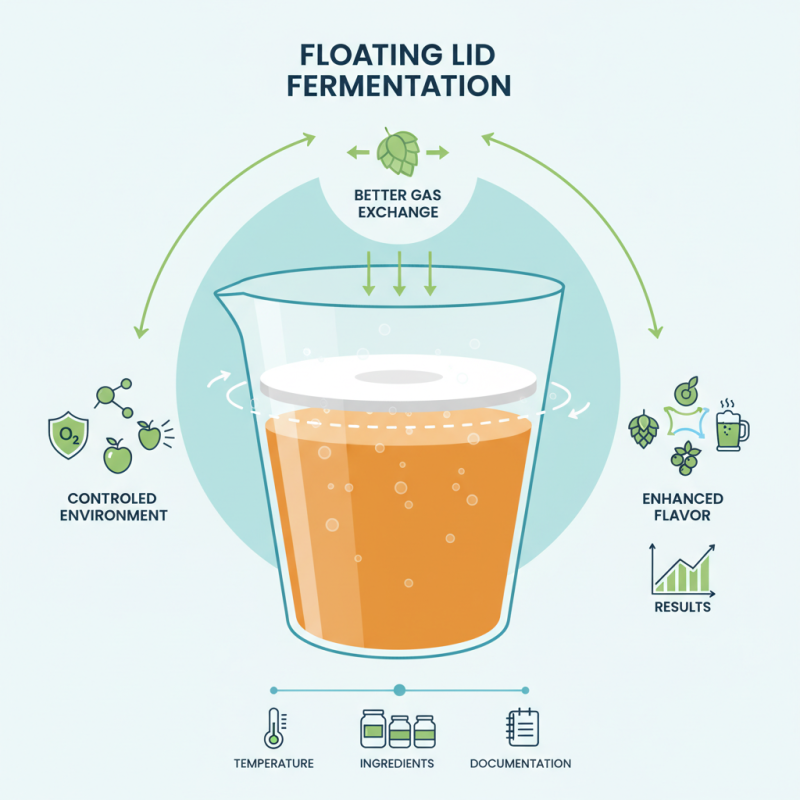
Floating lid fermentation is based on the unique principles of using a flexible lid that floats on the surface of the liquid. This method allows the natural gases produced during fermentation to escape while preventing oxygen from entering. This balance is crucial for yeast health and achieving the desired flavor profile. The floating lid reduces the risk of oxidation and contamination, making it a reliable choice for home fermentation enthusiasts.
When using a floating lid, it's essential to monitor the fermentation process closely. Some users report that the lid can sometimes create too much pressure if not managed well. This pressure might lead to leaks or even force the lid off, causing potential messes. Adjusting the buoyancy by adding water to the system is one approach to maintain stability. Regularly inspecting your setup can help catch these issues early.
Another useful aspect is temperature regulation. Floating lids can help maintain consistent temperatures, which is critical for yeast activity. However, if the environment is too warm, the fermentation may become too vigorous. This can lead to off-flavors or unwanted byproducts. Striking the right balance with temperature and pressure will lead to better results over time.
Selecting the right equipment for floating lid fermentation can significantly impact your results. This method is gaining popularity among home brewers and professional fermentation enthusiasts alike. Floating lid systems can create a microclimate, optimizing fermentation and enhancing flavor profiles. However, improper equipment choices can lead to issues like oxidation or unwanted microbial growth.
A study from the Journal of Fermentation Science highlights that lids designed for gas exchange contribute to better flavors. Look for lids that have adjustable vents, allowing precise control over the fermentation environment. Materials like food-grade silicone ensure safety and durability. It is crucial to avoid cheap alternatives that can leach harmful substances into your brew.
While many invest in high-end equipment, some may overlook the importance of sanitation. Contaminated equipment can lead to off-flavors and spoilage. Regular cleaning protocols are essential. Additionally, strive for a balance between air exposure and anaerobic conditions. Misjudging this can result in undesired carbon dioxide buildup. Understanding these nuances can enhance your fermentation experience.
Floating lid fermentation can elevate the quality of your brews. Implementing this technique requires careful attention to detail. Start by choosing a suitable container with a lid that floats free of the liquid surface. This setup allows for gas exchange while minimizing the risk of contamination.
During fermentation, monitor the temperature closely. A stable temperature range is crucial for optimal yeast activity. If the environment fluctuates, it can lead to off-flavors.
Tips: Keep your fermentation area clean and sanitized. A clean workspace reduces the chances of unwanted bacteria. Also, regularly check the floating lid's positioning to ensure it remains effective. An improperly placed lid can trap CO2, affecting fermentation.
Finally, experiment with small batches before scaling up. Each batch may yield different results. Reflect on what works and what doesn’t. Adjust your methods accordingly for future successes. Pay attention to the aroma and flavor during tasting sessions; these insights can guide your next attempts.
Floating lid fermentation is a popular method among home brewers and experimental fermenters. However, it comes with its own set of challenges. One major issue is maintaining the right temperature. According to the Journal of Fermentation Technology, temperature fluctuations can lead to inconsistent flavor profiles. Keeping a consistent environment is crucial for optimal fermentation results.
Another common challenge is the potential for oxidation, which can affect the final product's quality. Research shows that exposure to oxygen can lead to unwanted off-flavors. To counter this, many recommend using airtight systems that limit oxygen contact. Using a floating lid helps in creating a seal and minimizing exposure to air. Regular monitoring of the fermentation environment can also prevent oxidation issues.
Split results are often seen with floating lid systems. Some users report extraordinary flavors, while others experience disappointing batches. This inconsistency raises questions about technique and equipment. Patience and attention to detail are essential in this process. Additionally, keeping detailed logs of each batch can help identify patterns for better future results. Even experienced fermenters face setbacks; learning from these experiences is part of the journey.
| Challenge | Description | Solution | Tips for Success |
|---|---|---|---|
| Inconsistent Temperature | Temperature fluctuations can affect fermentation quality. | Use a temperature-controlled environment or an insulated chamber. | Monitor temperature regularly with a thermometer. |
| Lid Leakage | Air may escape, leading to unwanted oxidation. | Ensure that the lid fits securely and check for any cracks. | Use a food-safe sealant if necessary to reinforce the lid seal. |
| Poor Ingredient Mix | Inadequate mixing can result in uneven fermentation. | Thoroughly mix all ingredients before fermentation. | Consider using a stirrer or mixer for better integration. |
| Foam Overflows | Excess foam can spill out during fermentation. | Leave sufficient headspace in the fermenter. | Monitor foam levels and adjust fermentation speed if needed. |
| Contamination Risks | Unwanted bacteria can spoil the fermentation. | Maintain rigorous sanitation practices. | Sterilize all equipment before use and limit exposure to air. |
Floating lid fermentation offers unique advantages in brewing. However, monitoring and adjusting fermentation conditions is key for optimal results. Pay attention to temperature and pH levels. These factors greatly influence yeast activity and flavor profile.
Maintaining a consistent temperature is crucial. Fluctuations can lead to off-flavors. Invest in a reliable thermometer. If you notice the temperature rising, consider insulating your fermentation vessel. Conversely, if it drops too low, a gentle heat source may help maintain stability.
pH adjustment can also enhance fermentation. Yeast performs best in a specific pH range, typically around 4.0 to 4.5. Regularly check pH levels. If they are too high, certain acids can bring them down. Use them cautiously to avoid overshooting.
Lastly, trust your instincts. Sometimes, your initial setup may not yield perfect results. Be prepared to adapt based on what you observe. Keeping a journal can help track changes and outcomes, allowing for better decisions in future batches.