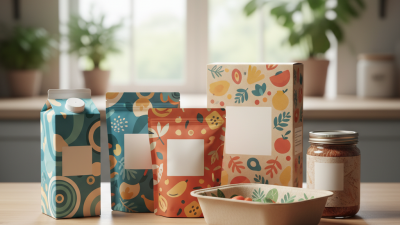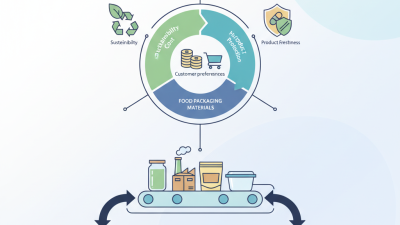
As global demand for food packaging grows, China is emerging as a leading supplier. Innovative solutions drive this industry. From biodegradable materials to advanced manufacturing techniques, Chinese companies offer a wide range of food packaging options. They emphasize sustainability while ensuring product safety.
While options abound, not every solution fits every need. The challenge lies in choosing the right packaging to preserve freshness and appeal to consumers. Understanding local regulations is crucial. Additionally, the quality of materials affects food safety and environmental impact, which brands must consider.
Trustworthy suppliers highlight their expertise through certifications and positive customer reviews. However, buyers must conduct thorough research. Engaging with suppliers can foster better understanding. In a competitive market, being informed leads to better decisions in food packaging.
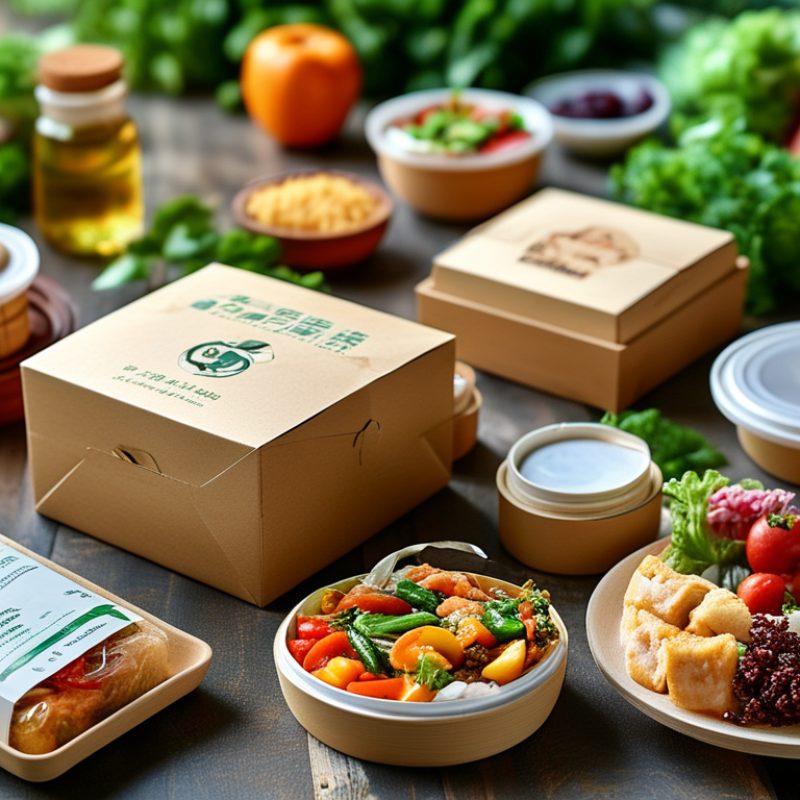
China has emerged as a crucial player in the global food packaging industry. Its vast manufacturing capabilities allow for the production of diverse packaging solutions. This includes everything from biodegradable materials to high-tech preservatives. Many international buyers now seek Chinese manufacturers for their efficiency and innovation in design.
However, challenges remain. The rapid growth can sometimes lead to quality inconsistencies. Some buyers experience difficulties ensuring that products meet their safety standards. Therefore, building strong communication channels with suppliers is vital. It is beneficial to conduct regular quality checks and maintain oversight on production processes.
China's advanced technology also plays a significant role. Automated systems and smart packaging solutions are on the rise. These innovations enhance shelf life and reduce waste. Yet, staying updated with global trends is essential for Chinese manufacturers. They must adapt to changing consumer preferences and sustainability demands. This ongoing evolution in packaging solutions presents both opportunities and areas for improvement in the industry.
Innovative food packaging materials are emerging from China, capturing global attention. These materials range from biodegradable plastics to advanced smart packaging solutions. Such innovations aim to enhance food safety, extend shelf life, and reduce environmental impact. They reflect the increasing demand for sustainable practices in the food industry.
Biodegradable packaging is a key area of focus. These materials break down naturally, reducing waste. Many manufacturers are experimenting with plant-based ingredients, offering environmentally friendly options. However, challenges remain. Not all biodegradable plastics decompose effectively in every environment. There’s ongoing debate over the best disposal methods.
Smart packaging is another exciting development. This technology includes indicators that show the freshness of the food. It can also provide real-time information about temperature and spoilage. While promising, smart packaging raises questions about cost and consumer awareness. Not all consumers understand how to use these innovations. Effective education is crucial for widespread adoption.
Sustainability is becoming essential in food packaging in China. The market is witnessing a significant shift towards eco-friendly materials. Many manufacturers are exploring bioplastics made from renewable resources. These materials are biodegradable, reducing long-term waste. Adoption of such innovations is growing among local producers.
Another trend is the use of recycled materials. Companies are integrating post-consumer plastics into their packaging. This not only lowers production costs but also lessens environmental impact. However, challenges remain. The quality and safety of recycled materials can vary. Consumers and producers must address these concerns.
Moreover, innovative designs are prioritizing energy efficiency in production. Brands are reassessing their supply chains to minimize carbon footprints. Still, achieving a complete transition to sustainable solutions is not easy. The industry faces hurdles such as high costs and regulatory complexities. Collaboration between businesses and policymakers is crucial for overcoming these challenges.
China's food packaging market is a dynamic landscape characterized by rapid growth and innovation. As of 2022, the market was valued at approximately $40 billion, with a projected annual growth rate of 5% through 2028. This growth is driven by the increasing demand for packaged food products, particularly in urban areas where convenience is a significant factor.
Key players in this sector include companies specializing in flexible packaging solutions. These companies are adapting to consumer preferences for sustainable materials. A report from a leading industry analyst highlights that around 30% of food packaging is now made from recyclable materials. However, challenges remain—about 40% of packaging waste is still not properly recycled. This indicates a gap that needs addressing, as environmental concerns continue to gain traction among consumers and regulators alike.
Additionally, the rise of e-commerce has amplified the demand for efficient food packaging. With online food deliveries increasing significantly, companies must ensure that packaging preserves food freshness while being cost-effective. The food packaging market in China must reflect these evolving needs, fostering innovations that meet both safety standards and environmental sustainability goals. This ongoing evolution presents opportunities and challenges that warrant careful consideration by industry stakeholders.
| Market Segment | Market Share (%) | Growth Rate (2023-2028) | Key Trends |
|---|---|---|---|
| Flexible Packaging | 40% | 5.5% | Sustainable materials, Convenience |
| Rigid Packaging | 30% | 4.2% | Tamper-evidence, Aesthetic appeal |
| Vacuum Packaging | 15% | 6.0% | Extended shelf-life, Food safety |
| Aseptic Packaging | 10% | 7.8% | Preservation without refrigeration |
| Food Trays | 5% | 3.3% | Customization, Eco-Friendly options |
Navigating the food packaging industry in China presents unique challenges for global buyers. One significant issue is the language barrier. Many local manufacturers may not speak fluent English, making communication difficult. This can lead to misunderstandings in product specifications, pricing, and delivery times. Buyers must be patient and prepared to ensure clarity in their requirements.
Quality control is another major concern. While China offers a vast array of packaging options, the quality can vary widely among suppliers. Buyers often find it challenging to assess quality without visiting factories. Remote inspections can be less reliable. Establishing strong relationships with trusted suppliers can help mitigate this risk.
On the positive side, the opportunities in China are vast. The country has invested heavily in modernizing its manufacturing processes. Innovations in sustainable materials are increasing. Many suppliers are eager to meet international standards. By leveraging advanced technologies, buyers can find packaging solutions that are both cost-effective and environmentally friendly. Exploring these possibilities requires diligence but can lead to significant rewards.