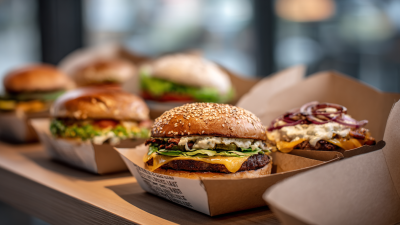
Why is Burger Packaging Essential for Global Suppliers?

Burger packaging plays a crucial role in the global food supply chain. As the demand for burgers increases, effective packaging becomes essential. It ensures that the product remains fresh and safe for consumers. The right packaging can prevent contamination and preserve taste.

In addition, burger packaging reflects a brand's commitment to quality. Unique and appealing designs attract customers. Eco-friendly materials also appeal to a growing segment of environmentally conscious consumers. However, not all packaging options are sustainable or efficient. Some may increase waste, leading to further challenges for suppliers.

Balancing functionality and sustainability in burger packaging is vital. Suppliers need to innovate while addressing environmental concerns. This ongoing challenge requires reflection on current practices. Keeping up with trends and maintaining reliability is key for success in the global market.

Why is Burger Packaging Essential for Global Suppliers?

The Role of Packaging in Protecting Burger Quality During Transportation

Packaging plays a crucial role in maintaining burger quality during transportation. Proper burger packaging protects against contamination and ensures freshness. According to industry reports, about 30% of food waste occurs during transport due to inadequate packaging. Burgers, being perishable, require materials that can withstand temperature changes and prevent spoilage.

Effective packaging also influences consumer perceptions. Studies show that aesthetically pleasing packaging can enhance the perceived quality of food. For burgers, vacuum sealing or insulated materials can keep ingredients fresh for longer periods. However, it is essential to consider the environmental impact of packaging materials. Many suppliers are exploring sustainable options, but challenges remain in balancing cost and functionality.

Finding the right solution is not straightforward. Some businesses struggle to keep up with the latest trends and technologies. Inconsistent packaging methods can lead to product damage. Research suggests that more than 20% of consumers return products due to packaging failures. Suppliers must prioritize reliable packaging to maintain their reputation and ensure customer satisfaction.

Key Packaging Materials Used by Global Burger Suppliers

Packaging plays a critical role in the global burger supply chain. The materials chosen reflect both quality and sustainability. Cardboard, for instance, is widely used for burger boxes due to its durability and recyclability. It protects the burgers during transport and appeals to eco-conscious consumers. There is a growing demand for packaging solutions that minimize plastic use.

Plastic wraps and containers must also be efficient. They keep burgers fresh and maintain warmth. However, overreliance on plastic can harm the environment. As consumers increasingly push for eco-friendly options, suppliers need to rethink their choices. Biodegradable materials are becoming more popular, but their effectiveness can vary.

Another key aspect is the branding on packaging. It communicates the brand's identity and values. Clear, attractive designs help products stand out. However, balancing aesthetics with functionality remains a challenge. Not all materials maintain visual appeal under heat or moisture. This inconsistency can affect the overall customer experience. Suppliers must continually evaluate their packaging to meet changing market demands.

Impact of Sustainable Packaging on Consumer Preferences

Sustainable packaging significantly influences consumer choices. Recent studies show that 72% of consumers prefer brands using eco-friendly materials. This shift reflects a growing demand for environmental responsibility. Packaging often represents the first point of contact between the product and the customer. Therefore, its design can influence purchasing decisions.

Moreover, research indicates that 60% of consumers are willing to pay more for sustainable packaging. This emphasizes the economic impact of eco-friendly materials. Brands face pressure to adopt sustainable practices to retain loyalty. However, many struggle with balancing costs and sustainability. Achieving a fully recyclable packaging solution remains a work in progress for many suppliers.

Attention to sustainability must also consider the practical challenges. While materials like bioplastics are gaining traction, they often have higher production costs. Understanding this complex landscape is essential for suppliers. They must navigate consumer expectations while managing budgets and operational constraints. Observing these trends can help brands stay relevant in a competitive market. Balancing consumer demand for sustainability with operational realities is an ongoing challenge.

Regulatory Standards for Food Packaging in the Burger Industry

In the burger industry, packaging plays a vital role. It is not just about aesthetics. It also ensures food safety and compliance with regulations. Many regions have strict standards for food packaging. These regulations are designed to protect consumers from health risks. Poor packaging can lead to contamination. For suppliers, understanding these standards is crucial.

Food packaging must be durable and safe. Materials should not react with the food. This is especially important for items like burgers, which may contain multiple ingredients. Many packaging types are under scrutiny. Biodegradable options are gaining popularity. However, they must still meet the same health criteria. Often, companies struggle to balance sustainability with safety.

Failure to adhere to these regulations can result in costly fines. It can also damage a company’s reputation. Inspectors frequently check for compliance. Suppliers should invest time in training staff about the latest standards. Regular audits can also identify areas for improvement. By prioritizing packaging, companies can elevate their brand credibility.

Cost-Benefit Analysis of Innovative Burger Packaging Solutions

Burger packaging plays a crucial role in the global supply chain. It is more than just a protective layer; it is an important part of the customer experience. Innovative packaging can enhance product appeal and improve food safety. Yet, many suppliers overlook its significance, focusing solely on price. This oversight can lead to missed opportunities for brand differentiation.

Cost-benefit analysis reveals the advantages of investing in innovative solutions. Eco-friendly materials can reduce environmental impact while attracting eco-conscious consumers. For instance, compostable packaging not only minimizes waste but also aligns with sustainable practices. However, these materials often carry a higher upfront cost. Suppliers need to evaluate whether long-term savings and brand loyalty justify the initial expense.

Alternative designs can also enhance functionality. Resealable packaging can reduce product waste and increase customer satisfaction. Yet, suppliers must consider production costs and logistical challenges. Ultimately, the goal is to find a balance between practicality and innovation. Adjustments may be needed based on market feedback. This iterative approach can lead to more effective and efficient packaging solutions.

Cost-Benefit Analysis of Innovative Burger Packaging Solutions