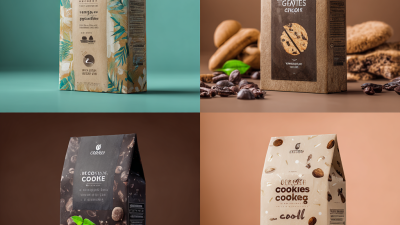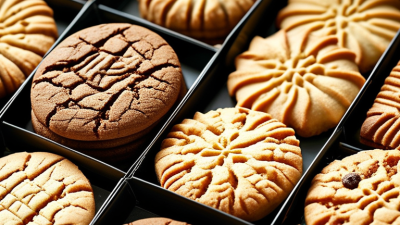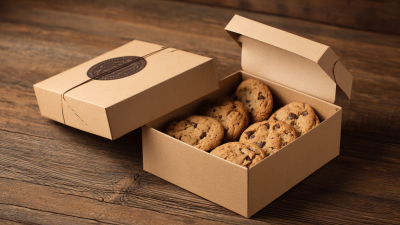
Choosing the best cookie packaging in 2026 is not just a design decision. It affects freshness, shipping performance, shelf appeal, and the amount of material used. A crisp butter cookie needs a different barrier from a soft, chewy one. The first may lose its snap in humid air; the second can dry out in a thin, poorly sealed pouch. Small details matter.
Consumer expectations are shifting, too. McKinsey’s 2023 global packaging survey reported that 60% of respondents said they would pay more for sustainable packaging. That finding covers packaging broadly, not cookie packs specifically, so it should be treated as context—not a guarantee of sales. Still, it signals why brands are testing recyclable paper formats, lightweight films, and clearer material labeling. No option is perfect. Paper can struggle with grease and moisture, while multilayer films may offer strong protection but complicate recycling.
This guide looks at cookie packaging through practical questions: What keeps the product fresh? Which format suits the cookie’s texture and sales channel? Can the pack survive a parcel journey without crumbs collecting at the bottom? We’ll also consider cost, branding, portion size, and end-of-life claims. A neat-looking box can disappoint if the cookies arrive broken. And sometimes, the most sustainable choice is less obvious than it first appears.
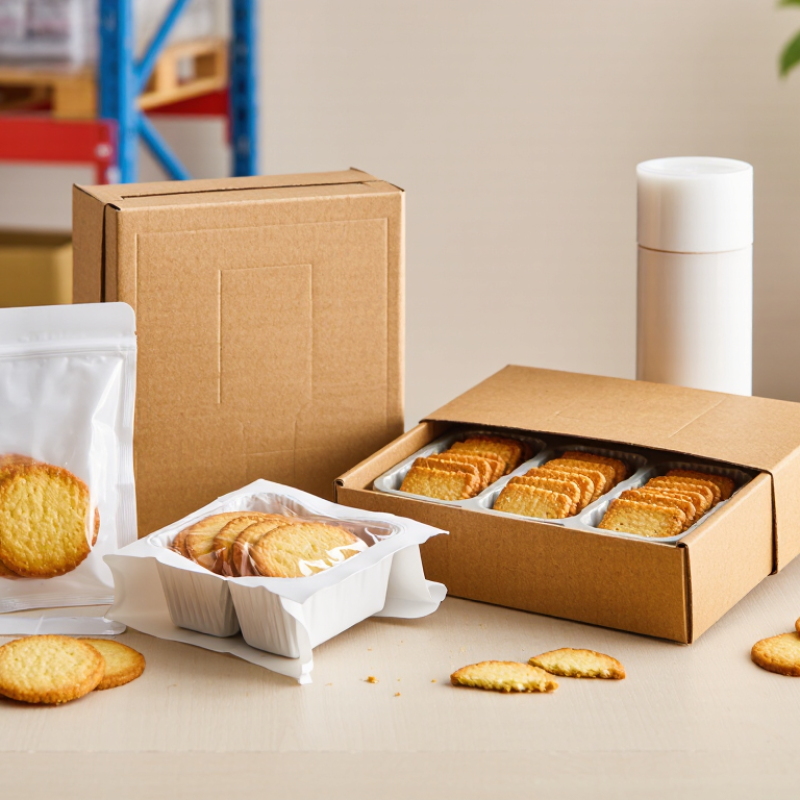
How to Choose the Best Cookie Packaging in 2026?
Key Factors That Define Effective Cookie Packaging
Effective cookie packaging begins with product protection. In packing trials, delicate cookies often arrived cracked when the box had empty space. A snug insert can reduce movement and preserve clean edges. The package should also block moisture, oxygen, light, and outside odors. A reliable seal matters. It helps maintain texture from production to the customer’s kitchen.
Material choice requires practical judgment. Paperboard feels warm and supports clear printing, while flexible films can provide stronger moisture resistance. No material is perfect. Some compostable options may soften in humid storage conditions. Test them with real cookies, not only empty samples. Check the package after stacking, shipping, refrigeration, and several days of storage.
Good packaging also communicates trust. Show the cookie appearance through a window only when light exposure will not reduce quality. Use readable labels, accurate ingredients, allergen information, net weight, and storage guidance. These details support informed purchasing and responsible food handling. A secure closure can prevent accidental opening during delivery. It should still be easy for customers to use.
Sustainability needs measurable thinking. Reduce unnecessary layers and choose materials that match local recycling systems. A smaller package can lower shipping volume, but only if it protects the cookies. Ask suppliers for material specifications and food-contact documentation. Then record test results, including breakage, seal strength, moisture changes, and customer feedback. Packaging decisions improve when evidence replaces assumptions.
| Packaging Format | Typical Materials | Protection and Product Fit | Visibility and Presentation | Main Trade-Offs | Best-Suited Use |
|---|---|---|---|---|---|
| Resealable stand-up pouch | Flexible plastic film or a multilayer laminate; some versions include a zipper closure. | Can help limit exposure to air and moisture when the pouch is properly sealed. Barrier performance depends on the film structure and seal quality. | Can be printed over a large area; a clear window may show the cookies. | Multilayer materials can be difficult to recycle in some local systems. A zipper does not replace a sound initial seal. | Retail packs of cookies where convenient storage after opening is important. |
| Flow-wrapped pack | Heat-sealable flexible film, such as polypropylene-based film or a specified barrier laminate. | Individual wrapping can help protect portions from handling and moisture pickup. Performance depends on the film and package seals. | Provides a clean, compact pack with broad printing options; clear film can display the product. | Offers limited crush protection on its own. Film choice should account for the cookie’s sensitivity to moisture, oxygen, and light. | Single cookies, multipacks, and cookies packed for portion control. |
| Paperboard carton with inner bag | Folding paperboard carton with a separate flexible inner bag or liner. | The carton helps prevent crushing and provides structure; the inner bag supplies much of the moisture and aroma protection. | Good shelf presence and space for product information, graphics, and handling instructions. | Uses more than one packaging component. The carton alone is not necessarily an effective moisture barrier. | Gift assortments, stacked cookies, and products needing a sturdy retail box. |
| Rigid plastic tray with lidding film | Thermoformed plastic tray with a heat-sealed flexible lid. | Tray compartments can limit movement and reduce breakage; protection from air and moisture depends on the tray, lid, and seal. | Offers strong product visibility and can keep decorated cookies separated. | Different plastic components may complicate recycling; trays can take up more storage and shipping space. | Decorated, delicate, or individually arranged cookies. |
| Metal tin | Metal body and lid, usually used with an appropriate closure or an inner wrap. | Provides good physical protection and can be reused. The closure and any inner packaging affect freshness after opening. | Creates a durable, gift-oriented presentation with an opaque exterior. | Typically heavier and bulkier than flexible formats; cost and shipping weight may be higher. | Premium gifts, seasonal assortments, and cookies that benefit from crush protection. |
| Paper bag or paper pouch | Uncoated or coated paper; some formats include a separate liner or viewing window. | Paper can suit short-term use, but unlined paper generally provides limited resistance to moisture and grease. | Has a natural paper appearance and can be printed or labeled with product details. | May not maintain crispness or protect fragile cookies as well as a sealed barrier pack. Coatings and liners affect disposal options. | Quick-turn bakery sales and cookies intended for prompt consumption. |
| Glassine or grease-resistant paper wrap | Smooth, dense paper or grease-resistant paper, used as a wrap or inner layer. | Can help contain surface oils and separate cookies, but should not be assumed to provide a strong moisture or oxygen barrier. | Allows a simple, lightweight presentation; some grades are translucent. | Offers limited impact and crush protection and may need an outer carton or bag for transport. | Separating cookies within a box or wrapping relatively sturdy bakery items for short periods. |
| Decision Factor | What to Assess | Practical Selection Check |
|---|---|---|
| Cookie texture and fragility | Whether the product is crisp, soft, filled, decorated, or easily broken. | Use a format with enough support and separation to limit movement and breakage during normal handling. |
| Moisture and oxygen sensitivity | How exposure affects crispness, softness, flavor, and freshness. | Confirm the packaging material’s barrier specifications and test the finished pack under expected storage conditions. |
| Grease and aroma control | Whether oils can stain the pack or aromas can transfer in or out. | Check material compatibility with the recipe and inspect the package for leakage, staining, or odor transfer. |
| Seal integrity | Whether closures remain secure through filling, transport, and storage. | Validate seal settings and inspect seals for gaps, wrinkles, contamination, or damage using an appropriate quality-control method. |
| Package size and headspace | Fit, product movement, packing efficiency, and the space needed for protective inserts. | Choose a pack that holds the intended quantity without excessive movement or unnecessary unused space. |
| Food-contact compliance | Whether each material and component is suitable for its intended food contact and conditions of use. | Request current supplier documentation and confirm applicable food-contact requirements in the markets where the product will be sold. |
| Recycling and disposal | Local collection rules, material combinations, coatings, and consumer disposal instructions. | Check the actual packaging structure against local recycling guidance; avoid claiming recyclability unless it is supported for the relevant market. |
| Storage and distribution | Expected humidity, temperature, transport duration, stacking, and handling. | Test packaged cookies through representative storage and shipping conditions before setting a shelf-life or distribution plan. |
| Cost and packing operations | Material cost, equipment compatibility, packing speed, storage space, and labor. | Compare total packaging and packing costs, not just the unit price of the empty package. |
| Label space and readability | Required product, ingredient, allergen, net quantity, and other market-specific information. | Reserve enough clear space for legible, compliant labeling and verify requirements for each sales market. |
Note: Packaging performance varies by material construction, seal quality, cookie recipe, and storage conditions. Confirm suitability through supplier documentation and product-specific testing; do not infer a guaranteed shelf life from packaging format alone.
Crisp cookies lose their snap when moisture gets in. For thin biscotti or delicate wafers, choose a pouch with a strong moisture barrier, such as a suitable metallized film, and seal it tightly. A clear window looks appealing, but light and air can shorten shelf life. Test the actual recipe and storage conditions; cookie thickness and fillings matter.
Soft cookies need a different balance. A well-sealed polyethylene or polypropylene pouch can help limit moisture loss, while a tray keeps iced or fragile cookies from arriving cracked. Greasy shortbread may need a grease-resistant inner layer, not just a pretty paper box. Paperboard adds structure, but it rarely protects food on its own. That detail is easy to overlook.
Flexible packaging is widely used, but material choice deserves scrutiny. The Flexible Packaging Association’s 2023 State of the Flexible Packaging Industry report valued the U.S. sector at $42.9 billion in 2022. That figure describes the industry, not cookie performance. In practice, compare barrier data, seal strength, and food-contact suitability for the specific pack. Multilayer films can be difficult to recycle in many local systems, so a simpler structure may be preferable when it still protects the cookie. There is no perfect material. Test a filled pack after transport, not only on the worktable.
Choosing cookie packaging in 2026 means measuring more than appearance. The package must block moisture, oxygen, light, and crushing. A crisp cookie can soften after a short humidity change. A filled cookie may lose aroma faster. The right material depends on recipe, water activity, shipping distance, and storage temperature.
The United Nations Environment Programme’s Food Waste Index Report 2024 estimated 1.05 billion tonnes of food waste in 2022. Better protection can reduce avoidable damage, even in dry bakery products. The Food and Agriculture Organization also reports that 13.2% of food is lost before retail. These figures support careful packaging tests, not automatic reliance on thicker materials.
Start with a 30-day trial. Store sealed samples in normal and humid conditions. Check weight, texture, aroma, and seal strength each week. A transparent pouch helps customers inspect breakage, but an opaque layer can protect light-sensitive fillings. Oxygen absorbers may extend freshness, yet they require suitable sealing and controlled testing. According to the OECD’s Global Plastics Outlook, packaging represents about 40% of plastic waste, so material reduction deserves attention. I sometimes overestimate shelf life from a strong seal alone. That is a mistake. The cookie itself can change first. Measure it.
How to Choose the Best Cookie Packaging in 2026?
Sustainable cookie packaging should protect texture without creating unnecessary waste. Start with the product’s real needs: moisture control, grease resistance, breakage protection, and shelf life. A recyclable paper box may look responsible, but it can fail when cookies release oil. That failure increases returns and replacement costs. Check the full material structure, not just the front label. Ask suppliers for material data, disposal guidance, and performance testing. Local recycling systems also matter.
Cost evaluation needs more than the unit price. Include printing, filling time, storage space, shipping weight, and damaged products. A slightly higher package price may reduce labor because it folds faster. Test several formats with actual cookies. Measure sealing strength, compression, and moisture changes after two weeks. Keep records. Estimates alone can mislead.
Tips: Compare three package samples. Weigh each option. Test it in humid conditions. Calculate cost per sale, not per piece. Use clear colors, readable text, and a shape that supports your product story. Branding should remain visible after transport, not only in a studio photograph. Avoid excessive decoration if it complicates recycling. That choice may feel less exciting, but it can build stronger trust. Still, no package is perfect. A low-waste option may cost more or need better handling. Review the results with production and customers before making a final decision.
A sustainability starting point: U.S. recycling rates by material, 2018
Paper and paperboard had the highest recycling rate among these materials. These national rates cover all product uses—not cookie packaging specifically—and local collection rules vary. Compare packaging cost using supplier quotes, and assess branding through print quality, shelf appeal, and fit with your audience.
Source: U.S. Environmental Protection Agency, 2018 recycling rates.
A cookie package should protect the recipe, not just look attractive on a shelf. Start by identifying what can go wrong: crisp cookies may soften in humid air, while soft or iced cookies can smear or break. Consider the cookie’s size, shape, oil content, and expected storage time. A snug fit helps limit movement, but tight packaging can damage delicate edges.
Test realistic options with actual cookies. Pack several pieces, seal each sample as intended, then store them in ordinary conditions for a few days. Check for broken corners, fading aroma, softened texture, grease marks, and loose seals. Try a short delivery simulation, too: place the package in a box and gently shake it. Small details matter. One successful sample is not enough; results can vary between batches.
Compare the test results with practical needs, including packing speed, storage space, and disposal options. A clear window may help shoppers see the product, but it can expose cookies to light. A paper-based format may suit some products, yet still need a suitable barrier against moisture or grease. Ask packaging suppliers for material specifications and sample sizes, then verify that the package is intended for food contact. There is no perfect choice. The right one is the format that keeps your cookies appealing through the handling they will actually face.