How to Choose the Best Packaging Printing Company?

Packaging does more than hold a product. It protects goods, carries brand details, and shapes what customers notice on a shelf or at delivery. Choosing a packaging printing company, then, is not just a matter of comparing prices. The right partner should understand your packaging format, materials, print requirements, and production schedule. Small details matter. A logo that looks sharp on screen may print differently on textured kraft paper, while a color sample can shift under store lighting.

A useful evaluation begins with practical questions. Ask how the company checks color consistency, handles proofs, and manages changes after approval. Request samples made with materials similar to yours, and look closely at folds, edges, fine text, and coatings. Ask about order quantities, lead times, shipping protection, and who will update you if production slips. Clear answers are a good sign, but a polished sales conversation alone proves little. References, relevant examples, and a transparent quote provide stronger evidence. Ask twice.

There is no single checklist that guarantees a perfect fit. A supplier may excel at premium cartons yet be less suited to flexible pouches or frequent small runs. Even experienced buyers can overlook how packaging performs during storage and handling. That is worth reflecting on before committing to a large order. This guide explores the questions and trade-offs that help you choose with care, compare providers fairly, and build a working relationship based on reliable communication—not promises alone.

How to Choose the Best Packaging Printing Company?

Define Your Packaging Printing Requirements

Before requesting quotes, define what the package must do. Record its product dimensions, packed weight, shipping conditions, shelf life, and opening method. Specify the material, board thickness, finish, and print area. A carton facing bright retail lights may need different color control than a shipping box. Include a dieline or physical sample if available. Small details matter.

Set a realistic order quantity and delivery schedule, then ask about acceptable color variation, proofing, and reprint tolerances. Smithers’ The Future of Global Packaging to 2028 valued the global packaging market at approximately $1.17 trillion in 2023, with growth projected through 2028. That scale reflects many formats and production needs; it does not mean every printer can handle yours. State whether you need digital printing for shorter runs or another process for larger volumes. Request a sample on the intended material, not just a glossy presentation proof.

Also define what “sustainable” means for your project: recycled content, recyclability, or reduced material use. Ask for supporting specifications rather than relying on a vague claim. Your first estimate may be wrong. That is normal. A test run can reveal scuffing, color shifts, or a barcode that scans poorly on the actual surface. Record any revised requirements before comparing supplier quotes.

Assess Printing Methods, Materials, and Customization Options

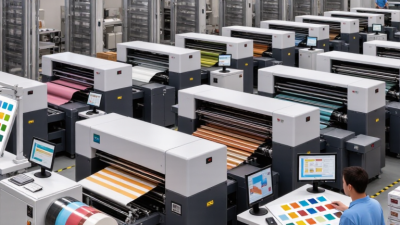
Choosing a packaging printing company starts with matching its printing method to your design, order size, and schedule. Digital printing can suit short runs or frequent artwork changes. Flexographic printing often works well for larger runs, while offset printing can reproduce fine details on suitable paperboard. Ask how colors are checked against your approved artwork. A physical proof can reveal differences that a screen hides.

Materials affect both appearance and performance. Compare paperboard, corrugated stock, and kraft paper by checking stiffness, surface texture, and how each handles your product’s weight. Request samples in the intended material, not just a printed image. A glossy coating may sharpen colors, but it can also create glare under store lighting. A polished mock-up can still disappoint in use; that detail is easy to overlook.

Tips: Share your dieline, quantity, finish, and delivery date before requesting a quote. Ask about options such as spot colors, embossing, inserts, or custom closures, and confirm which choices affect cost or production time. Check one sample under ordinary room light and inspect folds, edges, and color consistency. Small differences matter.

Evaluate Quality Control and Industry Certifications

Quality control is more than a polished sample. Ask how the printer checks each stage, from incoming board or film to finished cartons. Request written criteria for color accuracy, registration, coating coverage, and cutting dimensions. Clear tolerances matter. A color target should be checked under consistent lighting, not beside a window.

Certifications can support confidence, but only when their scope matches the work. Check the certificate holder, issuing body, validity dates, and covered production site. Ask whether the documented system includes packaging production, traceability, and corrective action. A certificate cannot promise every run will be flawless. It shows that a defined process exists and is subject to review.

Ask to see recent inspection records and a sample report from a comparable job. Find out how often operators check color and what happens when a sheet falls outside tolerance. A useful answer describes containment, root-cause review, and documented corrections. If explanations stay vague, pause. No checklist catches everything; subtle color drift can still slip through. Comparing a press proof with the approved reference before a large run is a practical safeguard, even if it adds time.

How to Choose a Packaging Printing Company

Evaluate quality-control evidence and verify that certifications apply to the specific facility, process, and materials you plan to use.

Illustrative review rubric, not survey data: scores show suggested evaluation priority on a 1–5 scale. Ask for documented inspection records, corrective-action procedures, and current certificates; check each certificate’s scope and issuing body. Relevant standards may include ISO 9001 for quality management, ISO 14001 for environmental management, and ISO 12647 for process control in printing.

Compare Pricing, Production Capacity, and Delivery Times

When comparing packaging printing companies, place each quote beside identical job details: box dimensions, board grade, print colors, finish, and order quantity. Otherwise, a low price may reflect thinner stock or fewer finishing steps. Ask whether setup, proofs, plates, freight, and overage are included. Small fees add up.

Production capacity matters when a launch date is fixed. Ask how many units the plant can produce per shift. Find out what other jobs share the schedule and whether materials are available. A supplier may handle large annual volumes but struggle with a sudden peak. Request a realistic sample timeline, not just a maximum output figure. Numbers need context.

Delivery time should include proof approval, production, packing, and transit. Get separate dates for each stage, plus a clear update plan if a machine fails or a proof needs changes. Check whether the delivery window starts from the deposit or final artwork approval. That detail gets missed. Compare total delivered cost and schedule reliability, not just the cheapest line on a spreadsheet. I would still leave a little buffer; deadlines rarely behave perfectly.

Review Communication, Support, and Supplier Reliability

How to Choose the Best Packaging Printing Company?

Review Communication, Support, and Supplier Reliability

Clear communication matters from the first quote to the final shipment. Ask who will manage your project and how quickly they typically respond. A dependable contact should explain material options, print limitations, and production timelines in plain language. Watch for vague answers about color matching or delivery dates. That matters.

Support is easiest to assess before a problem occurs. Ask how the company handles artwork changes, damaged cartons, or a production delay. Request a sample proof and confirm who approves it before printing begins. Check whether updates include useful details, such as revised ship dates, rather than “it’s on track.” Small test runs help. They can reveal fit, color, and finish issues that digital proofs may miss.

Reliability needs evidence, not just reassuring promises. Ask for references from customers with similar packaging needs, and compare quoted lead times with documented production schedules. Find out how orders are tracked and what happens if a key material becomes unavailable. No supplier is perfect. I would treat a missed reply as a signal to clarify expectations, not automatic proof of failure. Still, repeated delays, shifting answers, or pressure to approve unclear specifications deserve careful attention. A brief check-in after each milestone can keep expectations aligned.

How to Choose the Best Packaging Printing Company? — Review Communication, Support, and Supplier Reliability

Use this scorecard to compare packaging printing suppliers consistently. Rate each criterion from 1 (poor) to 5 (excellent), then multiply the rating by its weight.

Evaluation Dimension Weight What to Check Evidence or Practical Target Rating (1–5)
Response and communication 15% Clarity, responsiveness, named contact, and proactive updates during quoting and production. Confirm response-time expectations, escalation contacts, and how schedule changes are communicated. Enter rating
Prepress and artwork support 12% Help with file setup, bleed, dielines, color specifications, and print-ready artwork checks. Ask for a preflight checklist and confirmation that proofs are reviewed before production. Enter rating
Proofing and color control 12% Availability of digital or physical proofs and a documented process for approving color and layout. Request a sample proof workflow and clarification of how approved artwork is matched in production. Enter rating
Production capacity and lead times 12% Ability to handle the required packaging format, order volume, and repeat-order schedule. Obtain a written production timeline, including proof approval, manufacturing, and dispatch stages. Enter rating
Delivery and schedule reliability 12% Planning, shipment coordination, tracking, and communication about delays or delivery changes. Ask how delivery dates are confirmed and what process is followed if a shipment is delayed. Enter rating
Quality assurance and issue resolution 12% Inspection procedures, defect handling, corrective actions, and clear complaint ownership. Request details of inspection checkpoints and the steps for documenting and resolving a quality issue. Enter rating
Material and specification knowledge 10% Guidance on substrates, finishes, construction, and packaging requirements relevant to the project. Check that recommendations address the product, intended use, print method, and handling conditions. Enter rating
Order transparency and documentation 8% Accuracy of quotations, specifications, order confirmations, and change records. Confirm that price, quantity, materials, tolerances, delivery terms, and revisions are recorded in writing. Enter rating
References and track record 7% Relevant experience, repeat-order capability, and verifiable customer references for similar work. Request references or examples that match the packaging format, complexity, and order scale. Enter rating
Total weighting 100% Weighted score = sum of (criterion rating ÷ 5 × criterion weight).

Scoring guide: 1 = insufficient evidence or major concerns; 2 = below expectations; 3 = acceptable; 4 = strong; 5 = clearly documented and consistently demonstrated. This is a comparison framework, not a supplier ranking or market benchmark.