What is Food Packaging Printing and Why It Matters?
Food packaging printing plays a vital role in the food industry. It involves creating visual designs, labels, and graphics on packaging materials. This process not only enhances product appeal but also provides essential information to consumers. Good packaging informs people about ingredients and nutrition. It helps them make informed choices.
As competition grows, businesses must prioritize food packaging printing. Effective packaging can differentiate a product on the shelf. Consumers are drawn to appealing designs and colors. However, many companies overlook the importance of quality printing. Poor print can mislead or confuse buyers. In some cases, it may even harm a brand’s reputation.
Investing in professional food packaging printing can yield long-term benefits. High-quality materials and designs establish trust. They enhance brand recognition and customer loyalty. While costs may rise with better services, customers often perceive higher value. This demonstrates a growing need for businesses to reflect on their packaging strategies and standards.
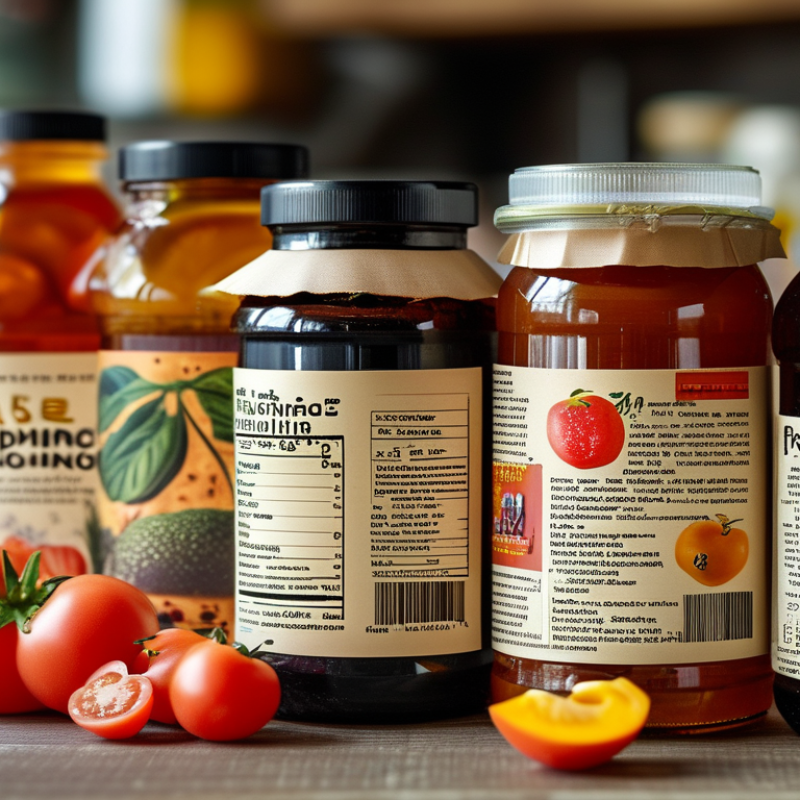
Understanding Food Packaging Printing: Definition and Scope
Food packaging printing is a crucial process in the food industry. It involves creating visuals and texts on packaging materials that hold food products. This printing gives information about the contents, nutritional value, and usage instructions. Attractive designs can draw customers’ attention, influencing their purchasing decisions. Effective food packaging keeps the product safe while enhancing its appeal on the shelves.
The scope of food packaging printing is broad. It encompasses various printing techniques such as flexography, lithography, and digital printing. Each method has its benefits and limitations. Flexography, for instance, is suitable for large runs and offers high speeds. Digital printing, however, allows for customization and shorter production runs. Understanding these techniques is vital for food businesses aiming to differentiate their products.
As sustainability becomes a priority, there’s a shift toward eco-friendly materials. Many companies are exploring biodegradable inks and recyclable packaging. This change is not without challenges. Not all materials meet safety standards for food contact. Striking a balance between design, safety, and sustainability makes food packaging printing a complex field. It requires continuous learning and adaptation.
Key Technologies Used in Food Packaging Printing Today
Food packaging printing is evolving rapidly, driven by technology and consumer demands. Today, several key technologies shape the landscape.
Digital printing has gained traction, offering flexibility and precision. According to a report by Smithers Pira, the digital printing market for packaging is expected to reach $19.2 billion by 2027. This growth highlights a shift towards rapid prototyping and customization.
Flexographic printing remains a staple in food packaging. It combines speed and quality, particularly for high-volume runs. The Food Packaging Institute emphasizes that flexography accounts for about 40% of packaging print production in North America. However, challenges persist. Issues like ink consistency and substrate compatibility can affect production efficiency. Brands must navigate these complexities to maintain quality.
Inks and substrates are also crucial. Eco-friendly inks are gaining popularity due to increasing environmental concerns. A report from Technavio indicates that the demand for sustainable packaging is predicted to grow by 11% annually until 2025. Nonetheless, the transition to sustainable options can lead to higher costs and require careful supplier selection, complicating decision-making. Food packaging printing is a critical aspect of the industry, reflecting both innovation and ongoing challenges.
The Role of Food Packaging Printing in Branding and Consumer Perception
Food packaging printing significantly influences branding and consumer perception. The visual appeal of packaging captures attention. A vibrant design can stir excitement. It tells a story about the product inside. Colors, fonts, and images create an instant connection. This connection often sways purchasing decisions in crowded markets.
Effective packaging goes beyond aesthetics. It conveys reliability and quality. Familiar elements, like logos, evoke trust. Consumers often associate higher costs with better design. However, simple packaging can sometimes be more impactful. Reflection is needed here. Does flashy design overshadow actual product value? Striking a balance between appearance and substance is crucial.
Moreover, food packaging must communicate information clearly. Ingredients, nutritional facts, and usage instructions should be easy to read. If consumers struggle to find this information, they may feel frustrated. This frustration can lead to negative perceptions of a brand. Thus, thoughtful design is not just about looking good. It is about fostering trust and understanding.
What is Food Packaging Printing and Why It Matters?
| Dimension |
Data |
| Market Size (2023) |
$300 Billion |
| Growth Rate (CAGR 2021-2026) |
5.5% |
| Top Packaging Types |
Flexible Packaging, Rigid Packaging, Labels |
| Sustainable Packaging Usage (%) |
65% |
| Consumer Preference for Packaging Design (%) |
72% |
| Impact on Purchase Decisions (%) |
60% |
Regulatory Standards and Safety Considerations in Food Packaging Printing
Food packaging printing plays a crucial role in ensuring product safety. Compliance with regulatory standards is vital to protect consumers. The global food packaging market is projected to reach $500 billion by 2026, emphasizing its importance. With this growth, regulatory scrutiny has increased. The FDA in the U.S. mandates strict guidelines regarding packaging materials. These regulations ensure that inks and materials do not transfer harmful substances to food.
As packaging technologies advance, challenges remain. For example, not all materials can be recycled safely. Studies indicate that over 30% of food packaging waste ends up in landfills. Safety considerations must address these concerns. It is essential for manufacturers to consider both consumer safety and environmental impact. 90% of consumers prefer packaging that is eco-friendly and safe. Balancing cost and compliance can be difficult.
Food packaging must also convey information effectively. Important details include expiration dates and ingredient lists. Misleading or unclear labeling can lead to health risks. Yet, achieving clarity while ensuring safety is often overlooked. Developing an understanding of these regulatory demands is key to optimizing food packaging.
Market Trends and Future Directions in Food Packaging Printing Industry
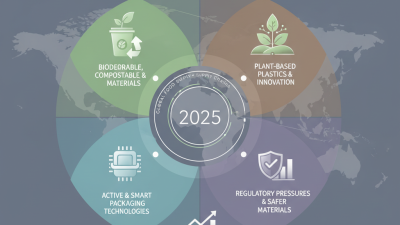
The food packaging printing industry is rapidly evolving. Emerging technologies are reshaping how products are labeled and presented. Brands are increasingly focusing on sustainable materials. This shift aligns with consumer demand for eco-friendly options. Digital printing is on the rise, allowing for greater customization and lower production costs.
Market trends show a strong preference for visually appealing designs. Packaging is often the first interaction consumers have with a product. Therefore, attractive and informative packaging is essential. Advances in printing technology have improved color vibrancy and clarity. However, not all companies adopt these innovations equally.
Looking ahead, the industry faces challenges. Regulations around packaging materials continue to change. As sustainability becomes central, companies must evaluate their practices. Many still struggle with supply chain issues and cost management. The future will require adaptability and a commitment to quality. In this landscape, successful brands will prioritize robust packaging strategies.
Market Trends in Food Packaging Printing