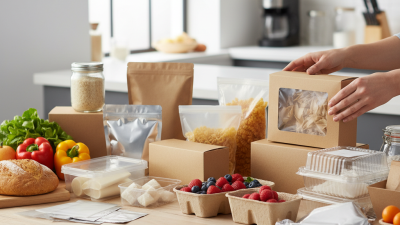
The packaging industry is experiencing transformative shifts that reflect evolving consumer demands. According to a recent report from Smithers Pira, the global packaging market is expected to reach $1 trillion by 2027. This rapid growth highlights the need for innovation and sustainability. As John McGowan, a recognized expert in the field, notes, "The future of packaging lies in its ability to adapt and be sustainable."
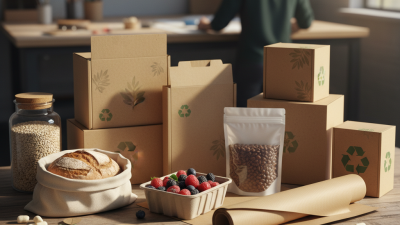
Sustainability has become a key trend in the packaging industry. Consumers are increasingly seeking eco-friendly options. Companies that fail to address this demand risk losing market share. Innovative materials and designs are emerging, driven by the urgency to reduce environmental impact. For instance, biodegradable and recyclable materials are gaining popularity in various sectors.
Engaging with these trends requires a deeper understanding. While advancements are promising, there are challenges to consider. Ensuring the supply chain supports sustainable practices is critical. The industry must reflect on its practices and adapt. By embracing change, the packaging industry can create a positive impact on the environment and society.
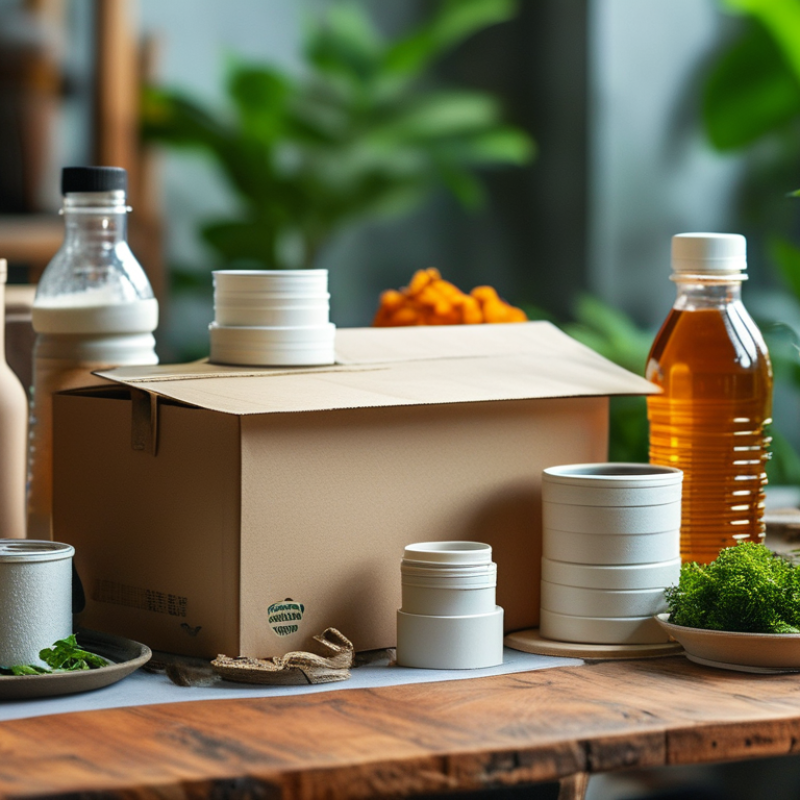
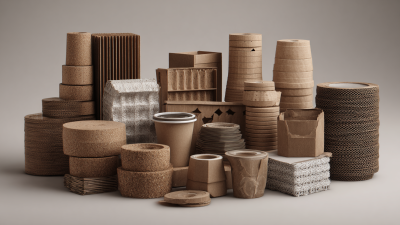
The packaging industry is undergoing significant changes. Emerging sustainable materials are central to these transformations. Natural fibers, like bamboo and hemp, are gaining traction. They offer biodegradable alternatives to traditional plastics. These materials break down quickly, reducing landfill waste.
Innovative bioplastics made from cornstarch and sugarcane are also on the rise. They provide a sustainable option without sacrificing quality. However, these solutions come with challenges. Sourcing these materials sustainably remains complex. Not all bioplastics decompose effectively in landfill conditions.
Recycling efforts are becoming more integrated with packaging design. Brands seek materials that support circular economy principles. Yet, consumers still struggle with distinguishing what’s truly sustainable. Clear labeling and education are necessary for success. As we move forward, collaboration will be key. Stakeholders must unite to refine these sustainable practices.
| Material Type | Sustainability Rating | Recyclability Status | Biodegradability | Primary Applications |
|---|---|---|---|---|
| Bioplastics | High | Yes | Yes | Food packaging, consumer goods |
| Recycled Paper | Medium | Yes | Yes | Boxes, cartons, wrapping |
| Glass | High | Yes | No | Beverages, cosmetics |
| Plant-based Materials | High | Yes | Yes | Single-use items, food wraps |
| Mushroom Packaging | High | Yes | Yes | Protective packaging, shipping |
Innovations in technology are transforming packaging design in remarkable ways.
Smart packaging is one of the most exciting trends. This technology uses sensors and indicators to provide real-time information about product freshness. It can notify consumers when a product is nearing its expiration date, reducing waste.
However, implementing these technologies can be complex and costly for manufacturers.
Sustainable materials are also reshaping the industry. Brands are exploring biodegradable and recyclable options to minimize environmental impact. Plant-based plastics and minimalistic designs help reduce material use. Yet, finding the right balance between durability and eco-friendliness remains challenging.
Companies must carefully consider how these materials perform against traditional options.
Automation is another area of focus. Robotics streamline packaging processes, increasing efficiency and reducing labor costs. However, reliance on automation can lead to job displacement.
The industry must find ways to integrate new technologies while supporting its workforce.
Balancing innovation and ethical considerations is key to a sustainable future in packaging.
Consumer behavior is evolving rapidly, significantly influencing the packaging industry. A recent report from Market Research Future highlights that eco-friendly packaging is becoming a major trend, with the global market expected to reach $1 trillion by 2027. More consumers now prefer sustainable materials, pushing brands to rethink their packaging choices. This shift is crucial, as 72% of consumers are willing to pay more for products in sustainable packaging.
The demand for convenience also affects packaging trends. The rise of e-commerce has led to an increase in demand for packaging that is easy to open and dispose of. In fact, 40% of consumers report frustration with difficult-to-open packages. Brands must prioritize user-friendly designs to enhance customer satisfaction and reduce waste.
**Tips:** Choose materials that are not only sustainable but also functional. Consider how easy it is for consumers to open your products. Test packaging with real users. Listening to feedback can lead to significant improvements. Engage your audience with clear information on how to recycle or dispose of packaging properly. Clear guidance builds trust and aligns with consumer values today.
Regulatory changes are reshaping the packaging industry significantly. Governments worldwide are implementing stricter regulations to reduce environmental impact. These rules encourage the use of sustainable materials and promote recycling. Companies are forced to rethink their packaging strategies to comply. This shift is critical but also presents challenges.
Many businesses face difficulties in sourcing sustainable materials. The cost can be higher, and supply chains may not be ready for these changes. Additionally, older infrastructures may struggle to adapt to new requirements. There is an urgent need for innovation in packaging processes. Manufacturers are exploring biodegradable options. However, not all biodegradable options are equally effective. Some do not decompose as promised, leading to skepticism.
Consumer awareness is rising. People demand more accountability from brands. They want transparency in packaging choices. This evolving landscape creates pressure on companies. They must balance compliance with consumer expectations while managing costs. The path forward is not clear-cut. Companies need to invest in research and development. They should explore collaborative efforts to build a sustainable future.
The rise of e-commerce is heavily influencing packaging strategies. As online shopping surges, the demand for efficient and protective packaging grows. Customers expect products to arrive intact, but they also desire appealing and sustainable packaging. This dual need poses a challenge for businesses. Balancing cost, efficiency, and environmental impact requires careful thought.
Packaging that is too cumbersome can lead to higher shipping costs. On the other hand, overly simplistic designs may compromise product safety. The packaging must reflect the brand's values while being functional. Companies are exploring innovative materials that reduce waste. Biodegradable and recyclable options are becoming more prevalent. Yet, finding the right balance remains a journey in progress.
It’s also essential to consider consumer experience. Packaging that is easy to open enhances satisfaction. Frustration often stems from overly complex designs. Brands should strive for designs that minimize hassle while promoting a positive unboxing experience. In this evolving landscape, listening to consumer feedback can guide better packaging solutions. Adjustments are necessary to meet both practical needs and emotional expectations.
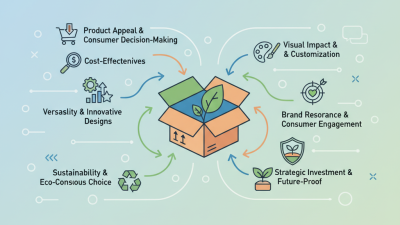
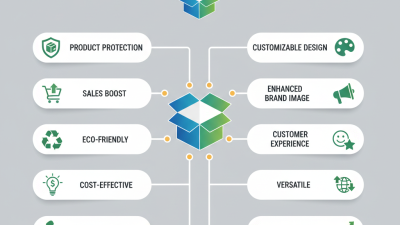
The chart below illustrates the influence of e-commerce on various packaging strategies over recent years. It highlights trends such as sustainable packaging, cost efficiency, and customization, reflecting the evolving demands of consumers and businesses alike.