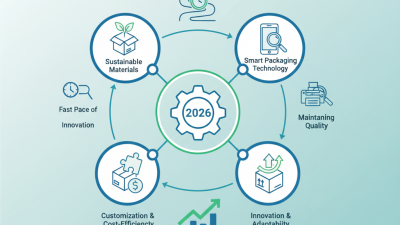
In the evolving food packaging industry, innovation is crucial for sustainability and efficiency. As consumer preferences shift, businesses must adapt. Dr. Emily Carson, an expert in packaging innovation, states, “Sustainable packaging isn’t just a trend; it’s a necessity for our future.” This sentiment underscores the urgency for advancements that align with both environmental goals and market demands.
Recent innovations in bioplastics and smart packaging have transformed how products meet consumer expectations. Companies are exploring options that prolong shelf life and reduce waste. For instance, new materials are designed to be biodegradable, making a positive impact on the environment. While these advances are promising, gaps remain in scalability and cost efficiency for smaller manufacturers.
The food packaging industry is full of potential, but challenges like consumer education and regulatory compliance persist. Companies must reflect on how to balance innovation with practicality. As we navigate towards 2026, staying informed about emerging trends will be vital for buyers looking to make responsible choices.
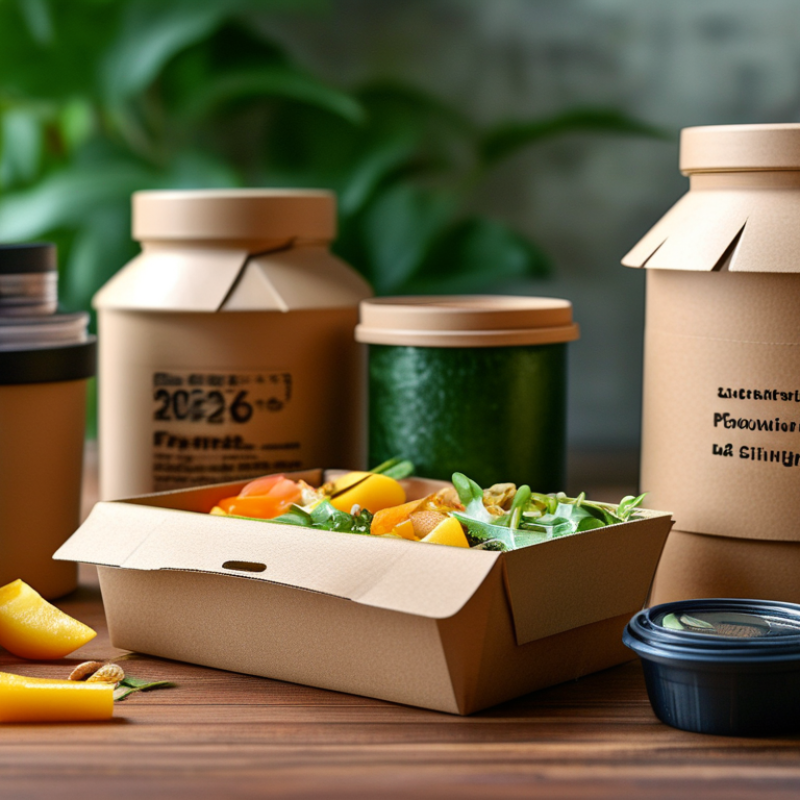
In 2026, the food packaging industry will witness innovative changes driven by sustainability and technology. According to a report by Allied Market Research, the global food packaging market is projected to reach $500 billion by 2028, reflecting a 5% CAGR. Such growth underscores the demand for packaging solutions that prioritize environmental impact.
A significant trend is the rise of biodegradable materials. These solutions reduce waste and minimize pollution. For instance, compostable films are gaining traction in product packaging. Despite their benefits, challenges like cost-effectiveness and scalability remain. The industry must balance innovation with practicality.
**Tip:** When considering new packaging materials, analyze their life cycle for environmental impact.
Smart packaging is another emerging trend. With embedded sensors, it enhances food safety and extends shelf life. Reports suggest that smart packaging could reduce food waste by 30%. However, integrating technology can be complex. Companies may need to adapt their processes to incorporate these innovations effectively.
**Tip:** Invest in training staff on new packaging technology to maximize efficiency.
Though the future of food packaging is bright, the industry must remain adaptable and solution-oriented. Understanding these trends will help buyers make informed decisions.
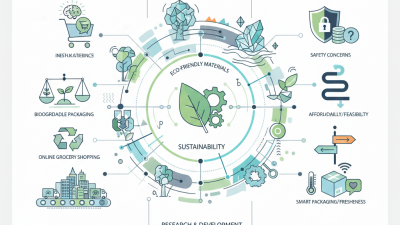
The food packaging industry is undergoing a transformation fueled by sustainable materials. As consumers become more environmentally conscious, brands are eager to adapt. Innovative materials, like biodegradable plastics and recycled paper, are taking center stage. These options help reduce waste and lessen the carbon footprint. Yet, challenges remain in balancing efficacy and eco-friendliness.
Biodegradable films derived from renewable resources are emerging. They promise to break down in landfills more efficiently than traditional plastics. However, questions arise about their overall performance in preserving food freshness. There is a need for further research to ensure these products meet safety standards. The drive for sustainability is commendable, but the industry must address such issues.
Another noteworthy trend involves edible packaging. This intriguing concept could change how we view waste. Imagine consuming the package along with the food. Still, developing these materials to ensure they are safe and palatable is complex. Experimentation continues, and not all trials yield perfect results. It’s clear that while innovation in sustainable food packaging is bright, it requires refinement and careful consideration.
Smart packaging technologies are revolutionizing the food industry. These innovations are designed to enhance food safety and freshness. They use sensors and indicators that monitor the condition of food products in real time. This means buyers can be assured of quality and safety before consumption.
One notable aspect of smart packaging is its ability to extend shelf life. Some materials change color or signal degradation. This provides instant feedback on freshness. Such innovations can reduce food waste significantly, which remains a pressing issue worldwide. However, challenges exist. The durability and cost of these technologies can hinder widespread adoption. The balance between innovation and practicality is crucial.
Moreover, consumer education is vital. Buyers must understand how to interpret the signals from smart packaging. Misinterpretations can lead to unnecessary food disposal. Transparency in packaging labels is also necessary. As these technologies evolve, the industry must ensure they remain accessible and understandable for all consumers. Innovation is not only about new tech; it's about real-world application and user experience.
The demand for customized and aesthetically pleasing food packaging continues to rise. According to a recent industry report, 72% of consumers find packaging design crucial in their purchase decisions. This makes investing in innovative design even more essential for businesses. Eye-catching packaging doesn't just attract customers; it enhances brand perception, fostering loyalty.
A significant aspect of modern packaging is sustainability. Many consumers prefer eco-friendly materials. A study showed that 65% of consumers are willing to pay more for sustainable packaging. This indicates a shift towards responsible consumption. However, striking a balance between aesthetics and functionality can be challenging. Packaging that is visually striking but not practical might lead to wasted resources.
Tips: Consider using vibrant colors and unique shapes to stand out. Explore biodegradable materials as eco-friendly options. Always test your designs with focus groups to gather valuable feedback. Balancing customization with functionality is an art. Designing packaging that appeals to consumer preferences while meeting practical needs requires careful consideration and creativity.
Regulatory changes are reshaping the food packaging landscape in 2026. New laws focus on sustainability and safety. Companies must adapt quickly to remain compliant. Failure to do so can lead to costly penalties and damaged reputations.
Innovations like biodegradable materials are gaining traction. These materials reduce waste and appeal to eco-conscious consumers. However, they often struggle with durability. This raises concerns about product safety and shelf life. Food producers must balance sustainability with performance effectively.
Packaging must also address health regulations. Enhanced labeling requirements are becoming standard. Clear and informative labels help consumers make better choices. Nonetheless, some manufacturers may resist these changes. They might see it as an added burden rather than an opportunity for transparency. This tension reveals deeper issues within the industry that need addressing.