What Is the Food Packaging Industry?
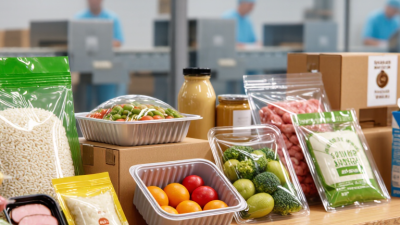
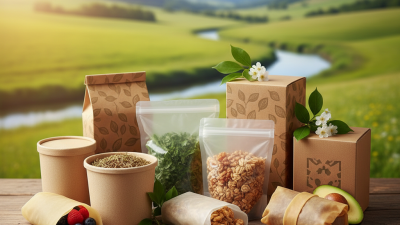
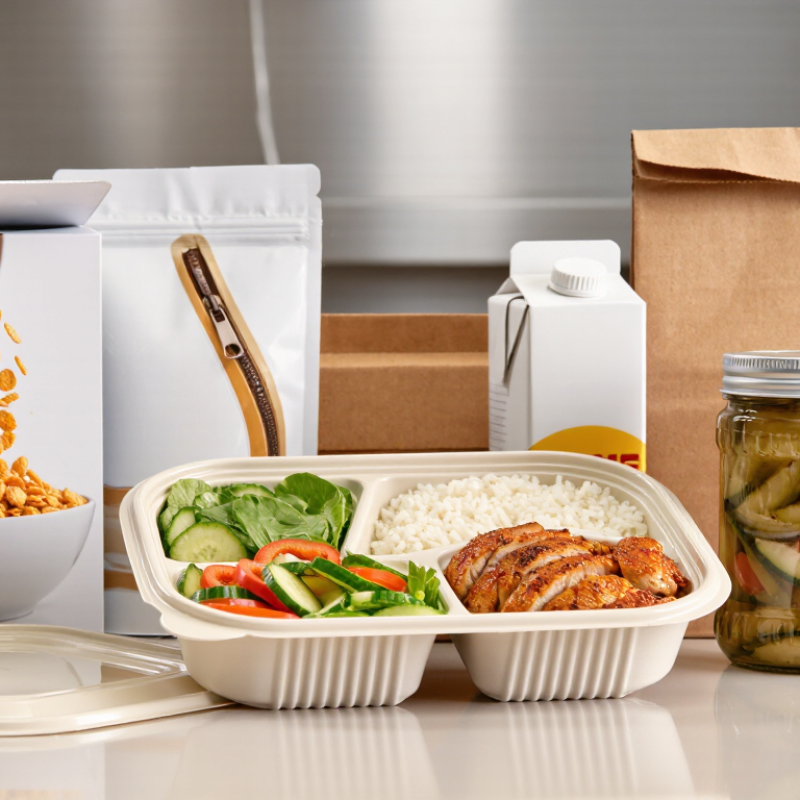
The food packaging industry designs and supplies the containers, materials, and systems that protect food from production to consumption. Its work is visible in a chilled meal tray, a paperboard cereal box, or a seal on a jar. It also includes less visible decisions: how a package resists moisture, survives transport, and communicates storage instructions. These choices can affect product quality, shelf life, and handling across the supply chain.
The market is substantial. Grand View Research’s Food Packaging Market Size, Share & Trends Analysis Report estimated the global market at USD 456.0 billion in 2022 and projected it could reach USD 607.6 billion by 2030. Such figures depend on how analysts define the market, so they should be read as estimates, not exact counts. Still, they show the scale of the sector. Small details matter.
Packaging teams balance food protection with cost, convenience, material use, and changing consumer preferences. A stronger barrier may help keep a snack crisp, but it can also complicate material choices. Recyclability claims, too, depend on local collection and processing systems. There is no single package that fits every food or market. Understanding the food packaging industry means looking beyond the wrapper: at materials, manufacturing, food safety, distribution, and what happens after use. The trade-offs are real. Some are still difficult to resolve.
Definition and Scope of the Food Packaging Industry
What Is the Food Packaging Industry?
Definition and Scope of the Food Packaging Industry
The food packaging industry includes the people, materials, equipment, and services that protect food from production to use. Its scope starts with package design and material selection, then extends through forming, filling, sealing, labeling, and transport. A carton for dry cereal, a chilled-food tray, and a glass jar each solve different problems. Packaging may limit moisture, oxygen, light, leaks, or physical damage, depending on the food. It also carries handling instructions and product information. Small details matter: a weak seal can let air in, while an oversized box wastes storage space.
The industry is broader than the package itself. It includes suppliers of paper, glass, metals, and food-contact plastics; machinery makers; converters; testing services; and logistics teams. Food producers and retailers influence choices too. They consider shelf life, product weight, temperature, opening convenience, accessibility, and how materials can be sorted or recovered after use. These goals can conflict. A lighter pack may use less material, yet perform poorly if it tears during delivery. There is no universal best format. Requirements vary with food type, route, and storage conditions. Even experienced teams revisit decisions after seeing how packages behave on real shelves. The industry’s boundaries can feel a little blurry, but its central task is practical: keep food protected and usable.
Major Packaging Materials and Formats
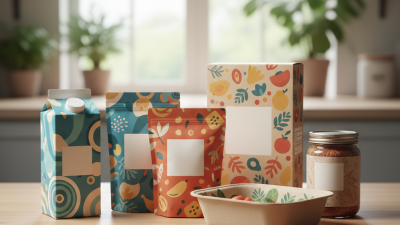
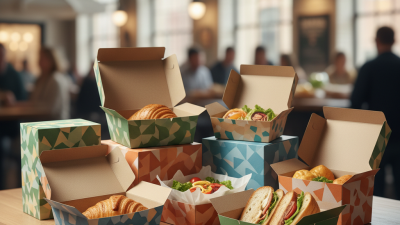
Food packaging starts with a practical question: what must the package protect, and for how long? Paperboard cartons are light and easy to print, making them common for dry foods and takeaway meals. They can soften when wet or greasy, so coatings may be added. Those layers can make recycling harder. That trade-off is easy to overlook.
Plastic films and rigid containers help keep moisture out and can show the food clearly. Flexible pouches use less material than many rigid packs, but mixed layers may be difficult to sort after use. Glass jars resist many reactions and allow repeated use when collection systems support it. They are heavy, though, and can break during transport. Metal cans offer strong barriers to light and air, which helps preserve many foods. They require energy to manufacture, so recycled content and efficient production matter.
Formats should match the food, not just look convenient. A tray with a sealed film can protect delicate portions, while a carton suits products that stack neatly on shelves. Fresh produce may need airflow; a tight seal could trap moisture and speed spoilage. Small details count. A closure that leaks can waste the whole meal.
Packaging choices also depend on filling equipment, storage temperature, transport distance, and local waste collection. There is no perfect material. Even a package labeled recyclable may not be accepted everywhere, and that gap deserves more attention.
How Food Packaging Is Designed and Produced
What Is the Food Packaging Industry?
How Food Packaging Is Designed and Produced
Food packaging design starts with the food, not the artwork. A designer considers moisture, oxygen, light, temperature, transport, and how people will open the package. A crisp snack needs a barrier that limits humidity; a chilled soup container needs a secure seal and clear handling information. Shape matters too. A pouch may use less material, but it can be harder to stack or pour neatly.
Production turns those choices into repeatable packages. Teams select suitable paper, glass, metal, or plastic structures, then test samples for sealing, strength, and product compatibility. Printing and converting follow: sheets or films are printed, cut, folded, formed, or sealed. At the line, filled packages are checked for leaks, readable codes, and consistent weight. Small defects count. One weak seal can spoil a batch, while overbuilt packaging may waste material. The best design is rarely perfect; it balances protection, cost, usability, and material use, then improves through testing and feedback.
Tips: Check how the package works after opening, not just on the shelf. Test it with the actual food and ordinary handling. Keep notes. A quick hand test helps, but it cannot replace proper testing.
Key Functions Across the Food Supply Chain
What Is the Food Packaging Industry?
Key Functions Across the Food Supply Chain
Food packaging does more than hold a product.
At processing plants, sealed trays and pouches help protect food from handling and exposure. A suitable barrier can slow moisture loss or limit contact with oxygen, depending on the food and storage conditions. Packaging must also work with filling equipment, without slowing production or damaging the product.
During transport, sturdy cartons help stack goods and reduce crushing. Chilled foods need packaging that holds up in cold, damp environments; condensation on a salad tray can blur labels or weaken a carton. Packaging cannot replace refrigeration, though. Temperature control still matters. Small details matter.
In stores, clear labels communicate ingredients, storage guidance, and dates, while tamper-evident features can show whether a pack has been opened. At home, easy-to-open portions and resealable closures can help people store food with less mess. Designers must balance protection, convenience, material use, and disposal options. There is no perfect pack for every food. A lighter package may reduce material use but offer less protection in transit, so the whole supply chain needs consideration. That trade-off deserves scrutiny.
Safety Standards, Sustainability, and Industry Trends
What Is the Food Packaging Industry?
Safety Standards, Sustainability, and Industry Trends
Food packaging has a practical job: protect food from contamination, damage, and moisture while keeping it usable. Safety begins with choosing materials intended for food contact and checking that they suit the product. A fatty sauce, for example, may interact with packaging differently from dry rice. Small details matter. Manufacturers also monitor production hygiene, seal strength, and batch records so problems can be traced. Requirements vary by market and product, so one test rarely answers every safety question.
Sustainability brings harder choices. Lightweight packs can reduce material use, but thin films may be difficult to sort or recycle locally. Sturdy barriers can help prevent food spoilage, yet sometimes rely on mixed materials. There is no perfect pack. A useful assessment considers the package and the food together, including how much product may be lost if protection fails. Collection systems matter, too; a recyclable design has limited value where sorting facilities cannot process it. Not always simple.
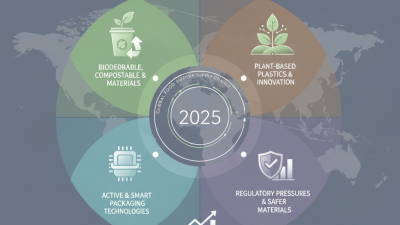
Current trends include clearer recycling instructions, mono-material designs, and packaging that uses less material without weakening its seal. Some producers are also testing digital traceability and freshness indicators. These tools can help, but labels must remain readable and indicators must be validated for their intended use. A promising prototype is not proof of real-world performance. Teams still need to test packs under realistic shipping, storage, and handling conditions, including temperature changes and rough transport.