Why Is the Food Packaging Industry Important?

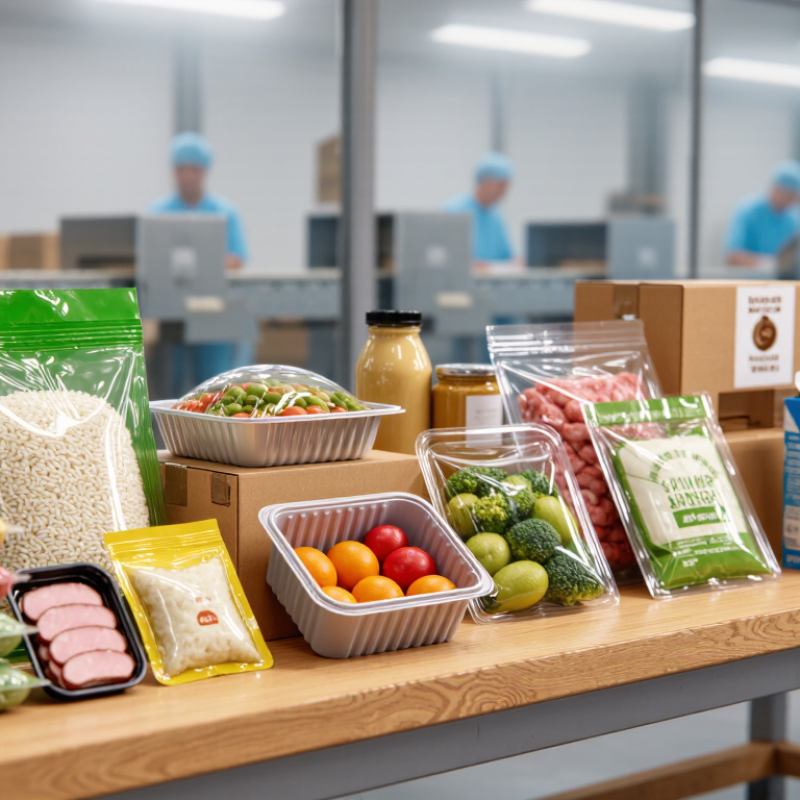
Every meal depends on more than farming, cooking, and transport. It also depends on packaging. The food packaging industry protects products from moisture, oxygen, light, microbes, and physical damage. A sealed pouch can keep rice dry during a long journey. A chilled tray can reduce handling before dinner. These details seem ordinary. They are not. Packaging helps maintain quality, extend shelf life, and reduce food waste when designed and used correctly. Food scientists, engineers, and quality teams test materials under realistic conditions. They examine temperature, pressure, migration, and sealing performance. Their work supports safer decisions across the supply chain.

Packaging also communicates essential information. Labels can show ingredients, allergens, nutrition facts, dates, storage instructions, and preparation guidance. Clear information helps consumers make safer choices. Standardized formats help workers inspect and manage products efficiently. In hospitals, schools, and emergency services, reliable packaging can support consistent food distribution. The industry also creates jobs in material production, design, testing, logistics, and recycling. Its influence reaches farms, factories, retailers, and households.

However, importance does not mean perfection. Some packaging prevents waste but increases material use. Some recyclable formats fail because local systems cannot process them. A lower-impact option may perform poorly in humid storage. These trade-offs require evidence, not attractive claims. Better decisions combine life-cycle assessment, food safety data, user experience, and regional infrastructure. The food packaging industry must keep improving through measurable goals and transparent reporting. It should protect food without treating environmental costs as invisible. Progress may be uneven. Still, practical innovation can make packaging safer, smarter, and more responsible. That ongoing challenge explains why the industry matters.
Why Is the Food Packaging Industry Important?

What Is the Food Packaging Industry?

The food packaging industry is the network that designs, makes, fills, seals, labels, and distributes food containers. It includes paper cartons, glass jars, metal cans, flexible films, trays, closures, inks, and protective coatings. Its work begins before a package reaches a production line. Engineers study food chemistry, temperature, moisture, pressure, transport, and expected shelf life. They then match the food with a suitable packaging structure. A wet product may need a strong barrier against oxygen and water vapor. A crisp snack needs protection from humidity and crushing.

In a working facility, packaging moves through measured stages. Machines form containers, portion food, remove unwanted air, and seal openings. Quality teams check seal strength, dimensions, cleanliness, migration limits, and traceability records. They also test packages after vibration, drops, heating, or refrigeration. These checks help reduce leaks, contamination, spoilage, and avoidable food waste. Packaging supports food safety, efficient transport, and clear handling instructions. It also helps households notice damage before consumption.

The industry is important because packaging connects farms, processors, warehouses, stores, and homes. Still, problems happen. A thinner package may use fewer materials but fail during transport. A heavier package may protect food better but increase shipping emissions. Recycling claims can become unclear when several layers are bonded together. This tension requires evidence, not attractive slogans. Practical decisions should compare safety, shelf life, resource use, and end-of-life recovery. Small changes matter. A reliable seal can prevent one damaged meal from becoming household waste.

How Food Packaging Protects Food and Public Health

Food packaging is a quiet public-health barrier. It separates food from dirty surfaces, hands, dust, insects, and harmful microorganisms. The World Health Organization estimates that contaminated food causes about 600 million illnesses and 420,000 deaths each year. Packaging cannot remove every risk. It can reduce exposure.

A sealed pouch, carton, or tray also controls oxygen, moisture, light, and temperature changes. These details matter. Less oxygen can slow oxidation. Moisture control can protect texture and limit microbial growth. Tamper-evident features help people notice possible interference before eating. Clear labels support safer storage and allergy decisions. In practice, packaging specialists test seal strength, drop resistance, migration, and shelf life. Small failures can have serious effects.

Packaging also protects food during transport and storage. The Food and Agriculture Organization reported that about 14% of food is lost between harvest and retail in The State of Food and Agriculture 2019. Better packaging may reduce bruising, leakage, and spoilage, especially for fragile produce and chilled foods. Yet this benefit is not automatic. Excess material creates waste, while weak packaging can cause food loss. The balance remains difficult. The UNEP Food Waste Index Report 2024 estimated 1.05 billion tonnes of food waste in 2022. This should make the industry question both packaging design and everyday handling. A thinner package is not always a better package. A stronger package is not always the most responsible choice.

Why Is the Food Packaging Industry Important? - How Food Packaging Protects Food and Public Health

Public Health or Supply-Chain Dimension Relevant Data or Standard How Packaging Contributes Reference
Foodborne illness prevention Approximately 600 million people become ill from contaminated food each year, and about 420,000 die. Sealed and tamper-evident packs help limit contamination during processing, transport, retail handling, and household use. World Health Organization, 2015
Protection of vulnerable consumers Children under five represent about 9% of the global population but account for approximately 30% of deaths caused by foodborne disease. Reliable seals, hygienic dispensing systems, and clear preparation instructions provide additional protection for high-risk groups. World Health Organization, 2015
Temperature control The U.S. Food and Drug Administration recommends refrigerators be maintained at 4°C or below for perishable foods. Insulated containers, thermal liners, and packaging designed for cold-chain distribution help maintain product temperature during storage and delivery. U.S. Food and Drug Administration, Food Safety Guidance
Barrier against contamination Food packaging is designed to provide barriers against biological, chemical, and physical hazards; the required barrier level varies by food type. Multilayer films, rigid containers, closures, and coatings can reduce exposure to microbes, moisture, oxygen, light, dust, and foreign objects. Codex Alimentarius; food-packaging safety principles
Shelf-life extension Shelf life is product-specific and depends on factors such as water activity, acidity, processing method, package barrier, and storage temperature. Oxygen-, moisture-, and light-control technologies can slow oxidation, staling, discoloration, and moisture migration. U.S. FDA; Codex Alimentarius food-preservation principles
Food loss and waste reduction The Food and Agriculture Organization estimated that approximately one-third of food produced for human consumption was lost or wasted globally. Appropriate portion sizes, resealable formats, cushioning, and improved distribution packs can reduce damage and premature spoilage. Food and Agriculture Organization, 2011
Allergen and ingredient communication In the United States, packaged foods must identify the nine major food allergens recognized under federal law when they are present as ingredients. Labels communicate ingredients, allergens, nutrition information, storage conditions, preparation instructions, and use-by dates. U.S. Food and Drug Administration, Food Allergen Labeling Requirements
Traceability and recall support Lot codes, production dates, and other identifiers are commonly used to identify affected products during food-safety investigations and recalls. Printed or digitally readable codes help connect a packaged product with its production batch, distribution route, and recall information. Codex Alimentarius, General Principles of Food Hygiene
Food-contact material safety Food-contact materials should not transfer substances to food at levels that could endanger human health or cause unacceptable changes to the food. Material selection, migration testing, coatings, and compliance controls help ensure that packaging remains suitable for its intended food and storage conditions. European Union Regulation (EC) No. 1935/2004; U.S. FDA food-contact regulations

How Packaging Supports Food Storage, Distribution, and Access

Packaging is more than a wrapper. It protects food from moisture, oxygen, light, impact, and contamination during storage. A sealed pouch can keep rice dry in a humid warehouse. A rigid crate can protect tomatoes during a long truck journey. These details support safer and more predictable food access.

The Food and Agriculture Organization estimated that 14% of food was lost between harvest and retail worldwide in 2019. Better packaging cannot solve every cause. It can reduce bruising, leakage, and early spoilage. Temperature control still matters. So do warehouse hygiene, road quality, and handling skills. Packaging works as one part of distribution, not as a substitute for it. It can also divide food into practical portions for smaller households and remote communities.

The figures remain uncomfortable. The United Nations Environment Programme reported 1.05 billion tonnes of food waste in 2022 across retail, food service, and households. Packaging may prevent some waste, yet unnecessary materials create another burden. The right choice depends on the food, route, climate, and recycling infrastructure. A thinner package is not automatically better. A heavier format may protect fragile food and prevent greater losses, but local testing is essential. Operational trials often reveal gaps in laboratory assumptions. Seals fail. Labels confuse. Collection systems remain incomplete. Good design needs real shelves, real trucks, and real kitchens.

Why Is the Food Packaging Industry Important?

How packaging supports food storage, distribution, and access

Food packaging helps protect products from damage, contamination, moisture, oxygen, and temperature changes during storage and transportation. This is especially important because approximately 54% of global food loss and waste occurs upstream, during production, handling, and storage, while about 46% occurs downstream, during processing, distribution, and consumption. Better packaging, when appropriately designed and used, can help extend shelf life, improve distribution efficiency, and increase access to safe food.

Source: Food and Agriculture Organization of the United Nations, Global Food Losses and Food Waste.

What Materials and Technologies Are Used in Food Packaging?

Food packaging matters because it protects food from oxygen, moisture, light, microbes, and physical damage. The FAO estimates that about 14% of food is lost between harvest and retail. Better packaging can reduce this loss, especially for fresh produce, dairy products, meat, and prepared meals. However, packaging also creates waste when its design ignores collection systems or consumer behavior.

Materials determine performance. Glass provides strong chemical stability and visibility, while metal offers excellent protection against light and oxygen. Paperboard is lightweight and printable, but it often needs a coating for moisture resistance. Plastics remain common because they are flexible, sealable, and efficient in transport. Multilayer films can extend shelf life, although their mixed materials are difficult to recycle. Bio-based polymers may reduce fossil feedstock use, but their real benefits depend on sourcing and disposal infrastructure.

Technology adds another layer of control. Modified-atmosphere packaging adjusts oxygen and carbon dioxide levels around food. Aseptic processing combines sterilization with sealed filling, supporting long shelf life without constant refrigeration. Active packaging can absorb oxygen or moisture, while intelligent labels may indicate temperature abuse. The UNEP Food Waste Index Report 2024 estimated 1.05 billion tonnes of food waste in 2022, showing the scale of the challenge. Yet longer shelf life is not automatically sustainable. Engineers still need migration testing, seal-strength checks, and shelf-life studies. A package that looks impressive can fail at a weak corner seal. That detail is easy to miss.

How Sustainability and Regulations Shape the Industry

Food packaging is important because it protects products during storage, transport, and daily use. It also affects waste, emissions, and resource consumption. The OECD’s Global Plastics Outlook reports that packaging generated about 142 million tonnes of plastic waste in 2019, nearly 40% of the global total. That is significant.

Sustainability is changing design decisions. Packaging engineers now test thinner materials, recycled content, refill systems, and fiber-based alternatives. Yet a lighter package is not automatically better. It may need extra layers, lose barrier performance, or increase food waste. The balance remains difficult. The United Nations Environment Programme estimates that food loss and waste create 8–10% of global greenhouse gas emissions, according to its 2024 Food Waste Index Report. Protecting food still matters.

Regulation is making these choices less optional. The European Union’s Packaging and Packaging Waste Regulation, Regulation (EU) 2025/40, introduces requirements for recyclability, recycled content, packaging reduction, and waste prevention. Similar rules are developing in other markets, although timelines and definitions differ. Companies must therefore document material composition, recovery pathways, and environmental claims more carefully. Vague “green” language is becoming risky. Independent testing helps.

The industry still has gaps. Recycling infrastructure cannot handle every package, especially multilayer formats and contaminated materials. A responsible approach connects package design with local collection systems, verified data, and realistic consumer behavior. Convenience remains powerful. So does cost. True progress may look less perfect than marketing suggests.