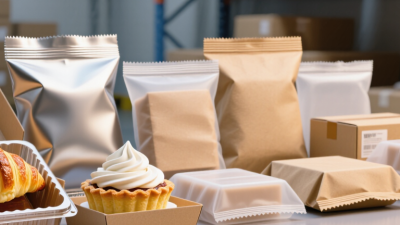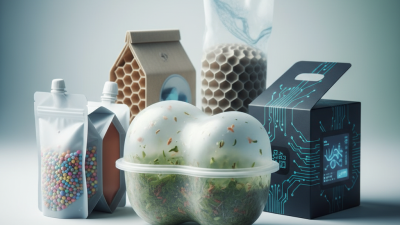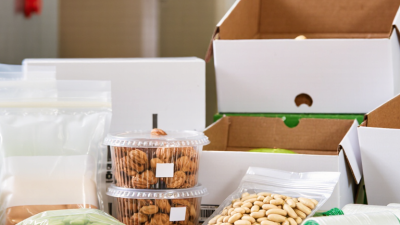
Choosing pastry packaging is more than selecting a pretty box. It involves freshness, protection, presentation, handling, and customer expectations. A buttery croissant needs ventilation, while a glazed tart needs a stable, non-smearing surface. In a busy bakery, the right package should open easily, stack securely, and survive a short delivery journey. Small details matter. A loose lid can damage delicate decoration before the customer sees it.
This guide examines pastry packaging from a practical bakery perspective. It considers material strength, grease resistance, moisture control, food-contact suitability, size, closure design, and branding. Paperboard may suit dry pastries, but cream-filled products often need stronger moisture protection. Clear windows improve visibility, yet they can affect insulation and recycling choices. There is no universal solution. That is easy to forget.
Reliable decisions should come from product testing, supplier specifications, and consistent packing trials. Test a warm pastry, a chilled filling, and a fully loaded box. Check for leaks, crushed corners, condensation, and awkward handling. Experienced teams should also review customer feedback after launch. I have seen attractive packaging fail because staff needed both hands to close it. Cost matters, but waste and product damage can cost more. This introduction will help compare options clearly, question convenient assumptions, and select packaging that protects the pastry without hiding its character.
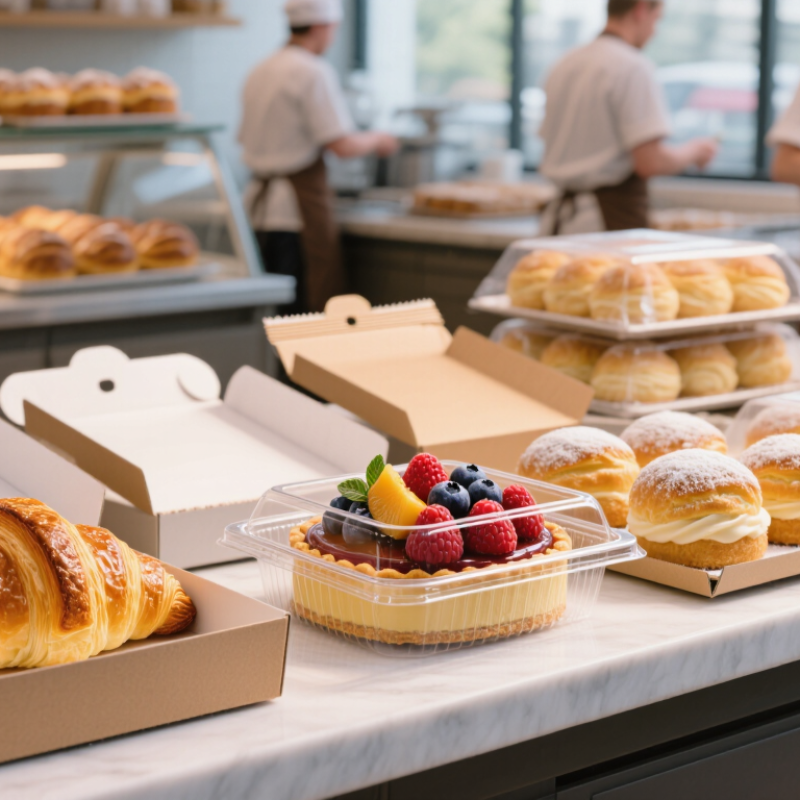
Start by defining what the pastry must withstand, not by choosing a box shape. Note its size, weight, filling, toppings, and serving temperature. A flaky croissant needs room to avoid crushing, while a custard tart needs a stable base and protection from tipping. Small details matter.
Map the full journey from counter to customer. Will the package be carried for ten minutes, stacked in a delivery bag, or stored overnight? Greasy fillings may need a resistant liner, while warm pastries can soften in sealed packaging. A small vent may help release steam, but too much airflow can dry the product. There is no single ideal box.
Test the requirements with real pastries. Pack samples, carry them, stack them, and check for leaks, smudged icing, and soggy bottoms. Test before ordering. One easy mistake is focusing only on appearance; a clear window looks appealing, but it cannot prevent a tart from sliding. Record what fails and adjust the size, insert, or closure before settling on a design.
Choosing pastry packaging starts with the pastry itself. A flaky croissant needs different protection than a frosted cupcake. Paper bags allow airflow and help keep crisp crusts from turning soft during short trips. They offer a simple, natural look, but grease can seep through unless the paper has a suitable barrier. Test one with your actual pastry. Butter behaves differently in warm weather.
For cream-filled pastries, sturdy food-grade boxes can reduce crushing and limit handling. A fitted insert keeps cupcakes upright, while a clear window lets customers see the finish without opening the box. Plastic containers can help retain moisture and resist leaks, though trapped condensation may soften delicate toppings. Let hot pastries cool before packing when the recipe and service conditions allow. Small details matter.
Material safety deserves equal attention. Use packaging intended for direct food contact, and check supplier specifications for heat, grease, or moisture limits. Recycled paper may suit dry baked goods, but it is not automatically appropriate for oily or damp foods. Appearance can guide the choice, too: matte paper feels understated, while a transparent lid highlights colorful icing. Still, a beautiful package that lets a tart slide into the corner has missed the point. Try a short delivery test, then inspect texture, temperature, and presentation before ordering in quantity.
| Packaging Material | Freshness Protection | Food Safety Considerations | Appearance and Visibility | Best Suited For | Practical Limitations |
|---|---|---|---|---|---|
| Coated Paperboard Box | Helps protect pastries from handling and light; moisture and grease resistance depend on the coating. It is not airtight, so it offers limited protection from drying. | Use paperboard and coatings intended for food contact. A food-safe liner can help prevent grease from soaking through. | Good print surface and a sturdy, premium presentation. Usually hides the pastry unless fitted with a clear window. | Cakes, tarts, pastries with icing, and assorted bakery boxes. | Can soften or stain when exposed to moisture or grease. A window may reduce recyclability where materials cannot be separated. |
| PET Clear Clamshell | Provides a physical barrier against handling and helps retain moisture when securely closed. It is not a complete barrier to oxygen or water vapor. | Choose food-contact-grade PET and avoid using packaging outside its stated temperature limits. | High transparency makes the pastry easy to see; the rigid shape helps protect delicate decorations. | Cookies, muffins, cupcakes, and single pastries displayed for sale. | Can trap condensation around warm products. Rigid plastic may take up more storage space than flat-folding cartons. |
| Polypropylene (PP) Bag or Film | Provides a useful moisture barrier for many baked goods and helps slow drying when sealed. Protection varies with film thickness and closure quality. | Use food-contact-grade film and follow the supplier’s guidance for temperature and direct food contact. | Available clear or printed; lightweight packaging keeps the product visible when clear film is used. | Cookies, bread rolls, croissants, and individually wrapped pastries. | Offers limited crush protection and is not fully airtight unless properly sealed. Crisp products may soften if moisture is retained. |
| Aluminum-Foil-Laminated Pouch | When the foil layer and seals are intact, it offers a strong barrier to light, oxygen, and moisture, supporting longer storage than ordinary paper or thin film. | Use a food-contact-compliant laminate; the food-contact layer must be suitable for the product and intended storage conditions. | Blocks product visibility but supports high-quality printing and a polished, sealed presentation. | Packaged biscuits, filled baked snacks, and products needing stronger protection during distribution. | Multilayer construction is often difficult to recycle through standard collection systems. Not ideal when customers need to see the product. |
| Glassine Paper Bag | Grease-resistant and useful for short-term handling, but it provides limited protection from air and moisture compared with a sealed plastic or foil laminate. | Confirm that the paper is intended for food contact, especially for direct contact with oily pastries. | Smooth, semi-transparent paper gives a simple, natural look and can partially reveal the product. | Short-term wrapping for cookies, doughnuts, and other pastries sold for prompt consumption. | Does not provide strong crush protection or a long-term moisture barrier; unsuitable for products that need an airtight seal. |
| Molded-Fiber Tray or Insert | Separates and stabilizes pastries but generally provides little moisture or oxygen barrier unless paired with a suitable lid or wrap. | Use food-contact-suitable molded fiber; coatings or recycled-fiber components should be verified for the intended use. | Natural, textured appearance; custom compartments can keep individual items from touching. | Assorted pastries, cupcakes, and gift boxes where protection from movement is important. | May absorb grease or moisture without a liner. Often needs an additional cover for freshness and transport protection. |
Selection tip: Match the package to the pastry’s moisture, fat content, fragility, storage time, and display needs. Always verify food-contact suitability and local recycling guidance for the specific packaging product.
How to Choose the Right Pastry Packaging?
Choose a package that fits the pastry, not one that merely looks attractive. A croissant needs room for its flaky edges, while a tart needs a flat, steady base. Measure the item at its widest points, then allow a little clearance so the lid does not press against icing or delicate toppings. Too much space can be a problem, too. The pastry may slide during delivery.
Shape affects both protection and presentation. A shallow rectangular box often suits rows of cookies, while a round cake container can keep a small tart centered. For pastries with tall decorations, check the inside height with the lid closed. Leave enough space for airflow where moisture could soften a crisp crust, but avoid openings that expose the pastry to dust or handling. It is a balance.
Protective structure matters most when packages are stacked or carried over uneven streets. Look for firm corners, a secure closure, and a base that stays level when lifted. A small paper insert or molded tray can stop individual pieces from bumping together. Test the package with the actual pastry, not an empty sample. Carry it, tilt it gently, and inspect the edges. I have found that this simple test catches issues measurements miss. Even then, one design may not suit every batch.
How to Choose the Right Pastry Packaging?
Evaluate Branding, Sustainability, and Customer Convenience
Pastry packaging should protect delicate textures and make your bakery easy to recognize. A clear window can showcase flaky layers, while a firm base helps keep cream-filled pastries upright. Use a consistent color palette and readable label, but avoid crowding the design. Customers should spot the pastry type and key ingredients quickly. Convenience matters, too: boxes should open without crushing icing and stack securely for takeaway orders. Test them with your actual pastries, not just an empty sample.
Sustainability needs practical evaluation. Trivium Packaging’s 2023 Global Buying Green Report found that 82% of surveyed consumers were willing to pay more for sustainable packaging. That signals interest, not a guarantee of sales. Compare materials by checking food-contact suitability, grease resistance, local recycling access, and the amount of packaging used. A recyclable box that becomes greasy may not be accepted locally. There is no perfect option; sometimes the most attractive choice is not the easiest to recycle.
Tips: Test a packed box during a real delivery. Check for leaks, sliding, and crushed corners. Ask customers whether the package is easy to carry and open. Keep feedback—even complaints—because one weak fold can undo careful branding. Start with a small trial before ordering in bulk.
How to Choose the Right Pastry Packaging?
Confirm Food Compliance, Costs, and Packaging Performance
Start by checking that every material touching the pastry is suitable for food contact in your sales region. Ask suppliers for current documentation, including material specifications and intended-use conditions. A grease-resistant liner may suit a butter croissant, while a cream-filled pastry needs packaging that protects against leaks and contamination. Confirm whether the packaging handles chilled storage, hot filling, or direct contact with oily foods. Requirements vary by location, so verify details with your local food-safety authority rather than relying on a supplier’s general claim.
Cost is more than the price per box. Include liners, labels, storage space, and shipping damage when comparing options. Then test packaging with real products: place a warm danish inside, close the box, and check for condensation, softened corners, or crushed toppings after a short delivery. Small trials help. A package that looks sturdy on a counter may fail in a delivery bag.
Tips: Compare total cost per pastry, not just unit price. Test several sizes with your busiest products, and record results after transport. Watch for soggy bottoms. If a package performs well for one pastry but poorly for another, separate the formats. This adds complexity, and it may not always be worth it.
Confirm food compliance, costs, and packaging performance
Compliance reference: EU Regulation (EU) No 10/2011 sets an overall migration limit of 10 mg/dm². A limit of 60 mg/kg food or food simulant may be used in specified cases. These values use different units and are not directly comparable. Confirm the applicable rules for your market, food type, and packaging; assess cost and performance separately with supplier documentation and product testing.