Top Packaging Manufacturers in China for Global Buyers?

Choosing among the top packaging manufacturers in China requires more than comparing product catalogs. Global buyers need suppliers that combine consistent quality, practical communication, and dependable export experience. China’s packaging industry includes large integrated factories, specialized converters, and smaller producers serving focused markets.

The right manufacturer should match your material, structure, printing, and order requirements. A food pouch supplier may not understand rigid cosmetic boxes. A factory with modern equipment may still struggle with small production runs. Look for clear specifications, responsive samples, and documented quality procedures. Ask how the supplier controls color variation, sealing strength, carton compression, and delivery schedules. Small details matter.

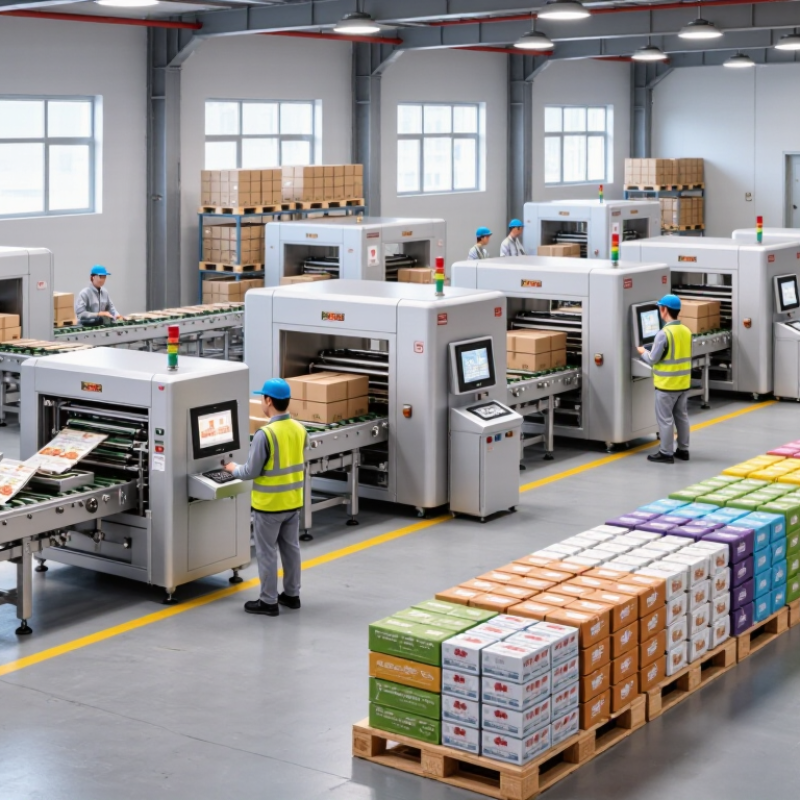
Visit the production line when possible. Observe raw materials beside the printing machines. Check whether finished cartons are stored on clean pallets, away from moisture. Request recent audit records, relevant certifications, and references from comparable buyers. These steps cannot remove every risk. No supplier list is flawless. Some factory presentations look impressive, yet real communication may become slower after payment. That possibility deserves attention.

This guide reviews manufacturers through a global buyer’s perspective, not simply by company size. It considers product range, technical capability, customization, quality assurance, minimum order quantities, and international service. Pricing is included, but it is not the only measure of value. A cheaper quotation can create higher costs through rework, damaged goods, or missed launch dates. Careful comparison remains essential. Good packaging protects the product and the buyer’s reputation.
Top Packaging Manufacturers in China for Global Buyers?

What Defines a Leading Packaging Manufacturer in China?

A leading packaging manufacturer in China is defined by more than modern equipment or attractive samples. Practical experience appears in small details, such as stable color across production batches and accurate carton dimensions. Experienced teams understand how humidity, transport vibration, and stacking pressure affect packaging performance. They test these risks before products leave the factory.

Professional knowledge should be visible in documented processes. Reliable manufacturers can explain material specifications, production tolerances, inspection points, and corrective actions. They should provide traceable batch records and clear test reports, rather than making vague quality claims. Sample approval must match mass production. A printed prototype is not enough. Buyers should examine sealing strength, surface finish, drop resistance, and packaging fit.

Authority also comes from consistent communication and responsible compliance practices. A capable factory understands the destination market’s labeling, material, and recycling requirements. It should identify uncertain areas early and recommend verification through qualified testing bodies. No manufacturer is flawless. Even a strong supplier may face color variation, delayed raw materials, or a failed inspection. What matters is whether the team reports problems quickly, investigates the cause, and prevents repetition. That honesty is often more valuable than a perfect sales presentation. Regular factory audits, video inspections, and production updates help global buyers judge reliability beyond a polished website.

Key Packaging Manufacturing Regions and Industry Capabilities

Top Packaging Manufacturers in China for Global Buyers?

China’s packaging strength is concentrated in several practical manufacturing regions. The Pearl River Delta supports flexible pouches, printed films, cartons, and fast export production. Guangdong factories often offer strong color control and automated bag-making lines. The Yangtze River Delta, including Zhejiang and Jiangsu, combines paper packaging, molded products, and precision printing. Its supplier networks can shorten sourcing time. Fujian is known for paper bags, food packaging, and consumer-focused formats. Northern coastal areas also provide useful capacity for corrugated boxes and industrial packaging.

Capabilities differ sharply between factories. A supplier may have modern equipment but weak quality records. Buyers should inspect material specifications, production samples, and batch traceability. Ask for migration testing when packaging touches food or cosmetics. Confirm dimensions after filling, not only when products lie flat. Small gaps can cause large shipping problems.

I have seen attractive samples fail during humidity testing. That lesson is easy to ignore. Regional expertise matters, but factory discipline matters more. Reliable manufacturers usually document incoming materials, color approvals, inline inspections, and final packing checks. They can explain tolerances without hiding behind vague promises. Buyers should also review export experience, communication speed, and corrective-action records. The cheapest quotation may exclude tooling, testing, or protective cartons. A careful comparison reveals the real manufacturing cost.

Major Packaging Formats for Global Buyer Requirements

Top Packaging Manufacturers in China for Global Buyers?

For global buyers, packaging format selection starts with product risk, not factory capacity. Corrugated cartons remain essential for shipping because they are stackable, printable, and widely recyclable. Smithers valued the global packaging market at about US$1.17 trillion in 2023, with continued growth expected through 2028. E-commerce is increasing demand for stronger outer cases and protective inserts. Small details matter. A crushed corner can erase an otherwise successful shipment.

Flexible pouches suit snacks, powders, personal care products, and many household goods. They reduce material use and freight volume, but multilayer structures can complicate recycling. Rigid plastic containers offer impact resistance, dimensional stability, and efficient filling-line performance. Paperboard cartons support shelf presentation, while glass and metal provide strong barrier protection for sensitive products.

According to the World Packaging Organisation’s market observations, sustainability pressure is pushing buyers toward lighter designs, recycled content, and more easily separable materials. The practical choice is rarely the cheapest format.

China-based manufacturers serving international buyers should provide migration documents, material specifications, batch records, and production samples. Buyers should also request compression, drop, seal-strength, and transport testing. ISTA testing protocols can help simulate vibration, shock, and warehouse handling. ISO 18601 guidance supports a broader packaging-and-environment approach.

Yet laboratory performance is not the whole story. Humidity, uneven pallets, and rushed loading can expose weaknesses. A better specification includes realistic routes, seasonal conditions, and clear acceptance limits. Some buyers still approve packaging from photographs alone. That is an avoidable mistake.

How to Evaluate Chinese Packaging Suppliers

Evaluating Chinese packaging suppliers requires more than comparing unit prices. A polished showroom proves little. Request the business license, production address, equipment list, and recent audit records. Confirm whether the factory actually manufactures your required packaging. Some suppliers outsource critical processes without explaining it. Ask for material specifications, thickness tolerances, ink details, and food-contact or transport compliance documents when relevant. Reliable suppliers answer with records, not vague promises.

Order samples before discussing large volumes. Inspect sealing strength, color consistency, print alignment, odor, and carton compression. Test samples under realistic storage and shipping conditions. A supplier may pass a visual check but fail after humidity exposure. Request a small pilot run, then compare approved samples with mass production. Keep dated photos and signed specifications. This creates useful evidence when disagreements appear.

Communication is another quality indicator. Notice how quickly the supplier reports defects or changing lead times. Ask for a clear quality-control plan, inspection stages, acceptable defect limits, and corrective-action procedures. Visit the facility if possible, or use an independent inspection service. During a visit, observe material labeling, warehouse cleanliness, worker training, and batch traceability. Do not rely only on certificates; documents can become outdated. My own evaluation would still include a weakness: factory visits show one day, not every production day. Use staged payments, written tolerances, and verified references to reduce that uncertainty.

This buyer-side benchmark uses a five-point scoring model for evaluating Chinese packaging suppliers. Quality systems, regulatory compliance, delivery reliability, customization capability, sustainability documentation, and export readiness are common procurement dimensions. The scores represent recommended evaluation priorities rather than data from any individual company or brand.

Export Standards, Quality Control, and Buyer Due Diligence

Global buyers should assess packaging manufacturers through export readiness, not catalog photos. Request business registration, production-site address, process flow, and recent inspection records. Confirm that the factory can provide commercial invoices, packing lists, certificates of origin, and shipment traceability.

Quality control must match the product’s real journey. Ask for carton edge-crush results, moisture checks, print-color approvals, and pallet-drop testing. For transport packaging, use recognized ASTM or ISTA test methods where suitable. ISO 9001 certification helps, but it does not guarantee every shipment. A certificate is only evidence of a management system.

The OECD Global Plastics Outlook reports that packaging represented about 40% of global plastic waste in 2019, while only 9% of plastic waste was recycled. This makes material declarations and recycled-content claims important buyer checks. Require test reports, batch numbers, supplier declarations, and written change-notification rules. Inspect a production sample before loading. Compare it with the approved reference sample, especially its dimensions and seal strength.

Do not rely on one audit. A factory may perform well during inspection and still weaken controls later. Review complaint records, corrective-action reports, and subcontracting practices. Check whether the same material specification appears on the purchase order, factory record, and laboratory report. Small mismatches matter. I would also keep a retention sample from each shipment, because memory is not a quality system.