Choosing the right food packaging boxes is not a simple matter of appearance. Global buyers must consider product safety, transport distance, climate, storage conditions, and customer expectations. A box that protects biscuits in a dry warehouse may fail beside a humid port. Corrugated cartons, folding cartons, rigid boxes, kraft mailers, and insulated solutions each serve different purposes.
Lisa McTigue Pierce, a respected packaging industry editor and consultant, has stated, “Packaging is the first physical touchpoint between a brand and its customer.” That touchpoint may be a printed sleeve, a clean opening tab, or a box that arrives without crushed corners. Small details matter. Sometimes, they decide whether a buyer reorders.
This guide examines ten practical food packaging boxes for international purchasing teams. It considers material strength, food-contact suitability, moisture resistance, stacking performance, printing quality, customization, and shipping efficiency. It also looks at recyclability, because attractive packaging can create unnecessary waste when its structure is poorly designed. No box wins every market. That is easy to forget.
Real-world performance needs evidence. Sample testing, compression tests, drop tests, and trial shipments can reveal weaknesses before large orders leave the factory. Buyers should also check supplier documentation and confirm that materials meet the requirements of their destination market. A low unit price may become expensive after product damage, delays, or rejected shipments. The best choice balances protection, presentation, cost, and responsible material use. Some compromises remain unavoidable. Careful evaluation makes them visible.
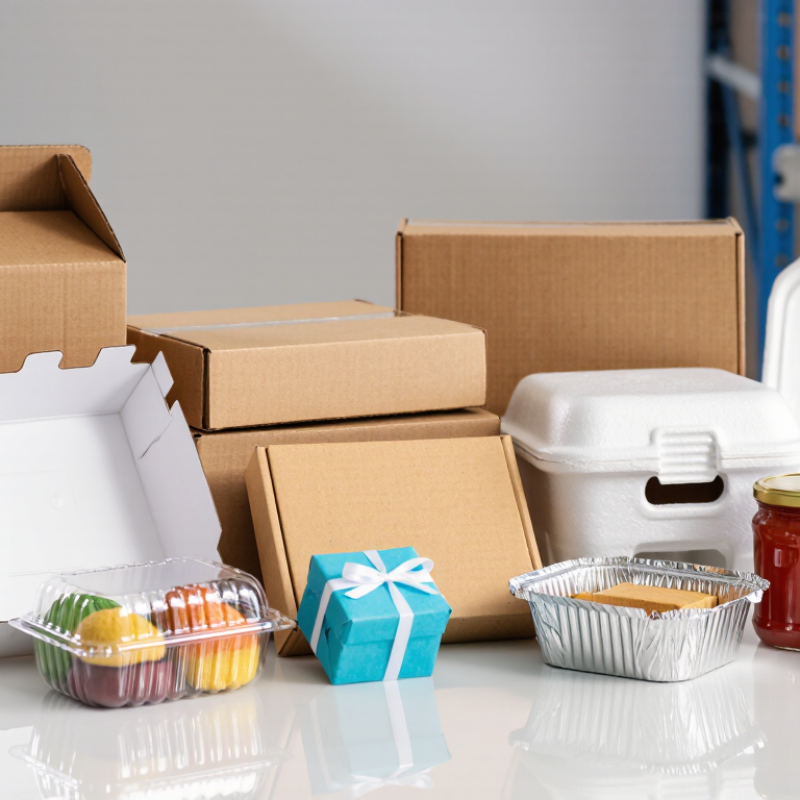
Food packaging boxes for global buyers must survive more than a warehouse shelf. They may face humid ports, rough handling, long storage, or sudden temperature changes. A suitable box protects the food while keeping its shape during transport. Common choices include folding cartons, corrugated mailers, rigid boxes, kraft trays, window boxes, bakery boxes, takeaway cartons, insulated cartons, frozen-food boxes, and gift-style packages. The best option depends on the food, route, and sales channel.
Material safety is essential. Buyers should request food-contact documentation, ink details, adhesive information, and migration test results. A grease-resistant inner coating helps with oily foods. Moisture-resistant board performs better in coastal climates. However, extra coatings can complicate recycling. That trade-off needs honest evaluation. Box dimensions also matter. A loose package wastes space, while a tight package may crush delicate products. I have found that a small sample shipment reveals problems that factory photos never show.
Global packaging also needs clear labeling space, readable product information, and practical opening features. Flat-packed cartons can reduce freight volume and storage costs. Strong locking tabs may remove the need for plastic tape. Yet no box is perfect. A design that works in a dry warehouse may fail during monsoon shipping. Buyers should test stacking strength, drop resistance, seal performance, and temperature exposure before placing large orders. Reliable suppliers should explain tolerances, production limits, and quality checks rather than promise flawless results.
Food packaging boxes serve different jobs across global supply chains. Folding cartons suit cereals, frozen foods, and dry snacks because they print well and stack efficiently. Corrugated shipping boxes protect multipacks during warehouse handling and export transport. Rigid boxes add strength for premium confectionery, gift foods, and fragile products. Paperboard trays support bakery items, produce, and ready meals. Window boxes improve product visibility, although the window can complicate recycling.
Molded-fiber boxes work well for takeaway meals, eggs, and fresh produce. Grease-resistant food boxes contain fried foods without immediate staining. Insulated corrugated boxes help maintain chilled or frozen products during short deliveries. Aseptic cartons protect liquid foods, such as sauces and dairy alternatives, from light and oxygen. Small tuck-top boxes suit portioned snacks and direct-to-consumer orders. Practical details matter: a wet salad needs moisture resistance, while a glass jar needs cushioning and compression strength.
The OECD’s Global Plastics Outlook reports that packaging created about 40% of global plastic waste in 2019. That figure supports careful material selection, not automatic paper substitution. Paper boxes need suitable fiber sources, coatings, and recovery systems. The Smithers market report, The Future of Global Packaging to 2028, identifies sustainability and logistics efficiency as major packaging priorities. Still, reports cannot replace shipment trials. A box may pass a compression test yet fail beside a humid loading dock. I would test drop resistance, stacking, grease migration, and temperature exposure before approving any format. There is no perfect box.
10 Best Food Packaging Boxes for Global Buyers?
Selecting food packaging boxes requires more than attractive printing. Corrugated boxes suit shipping cartons because their fluted layers absorb impact. Folding cartons work well for dry foods and offer precise shelf presentation. Rigid boxes provide stronger protection, but they usually require more material. Kraft boxes feel natural, though their moisture resistance can be limited.
Molded fiber boxes support many sustainability goals. They need careful testing before holding oily or wet foods. Grease-resistant paperboard helps with pastries, snacks, and takeaway meals. Insulated boxes protect temperature-sensitive products during short deliveries. For frozen goods, coated board and strong seals reduce moisture damage. Some export shipments also need dividers, tamper-evident closures, or ventilation holes.
Safety must guide every material choice. Ask suppliers for food-contact declarations, migration test reports, and batch traceability records. Inks, coatings, adhesives, and recycled fibers need separate review. Packaging should meet the destination market’s current food-contact requirements, not only the factory’s local rules. Check moisture, odor, temperature, and compression performance with real samples. A box that survives a warehouse may fail after twelve hours in humid transit. It happens.
Design teams should also examine labeling space, recycling instructions, and pallet efficiency. A lighter box can reduce freight emissions, but excessive thinness may cause product loss. Sustainability claims require evidence. “Eco-friendly” is too vague without material and disposal details. No box is perfect. Even experienced buyers sometimes approve attractive samples before testing filled cartons, which is an expensive mistake.
The chart compares commonly used food packaging box materials on a 1–5 suitability scale. Higher scores indicate stronger relative performance for international shipping, moisture resistance, product protection, recyclability, and food-contact practicality. Actual performance depends on coatings, board grade, structure, closure design, and local regulations.
Global buyers should verify applicable requirements such as FDA 21 CFR in the United States, EU Regulation (EC) No. 1935/2004 and GMP Regulation (EC) No. 2023/2006 in the European Union, relevant national food-contact rules, migration testing, ink and adhesive compliance, and ISPM 15 when solid wood packaging is used.
Choosing food packaging boxes requires more than comparing unit prices. I have seen low quotes become expensive after tooling, testing, and freight charges appeared. Ask each supplier for a complete quotation, including minimum order quantity, setup fees, packing method, payment terms, and delivery conditions. Compare the same box size, board grade, printing coverage, and order volume. Request recent food-contact test reports and material specifications for your destination market. Documents should be current and traceable.
Customization affects both cost and performance. A simple kraft carton may need only printing plates, while a rigid box can require new dies, inserts, coatings, and longer production time. Request physical samples before approving artwork. Check folding accuracy, glue strength, odor, color consistency, and resistance to oil or moisture. One mistake is trusting digital mockups too much. They cannot show how a box feels in a cold, damp warehouse. Ask suppliers how they manage design changes and defective units. Clear approval records reduce disputes.
Tips: Compare landed cost, not factory price. Calculate box cost, tooling, inspection, freight, duties, and storage. Ask for a small pilot order when possible. Check production photos and independent inspection options. Confirm whether recycled content affects strength or local compliance. Keep every promise in writing. It matters.
Choosing the right food packaging box starts with the product, not the catalog. List moisture, oil, temperature, weight, shelf life, and stacking needs. For dry snacks, folding cartons or corrugated boxes may work. Chilled products may need insulated construction. Delicate items often require molded inserts. A lower unit price can be a trap.
Packaging also protects food during trade. The FAO estimates that 14% of food is lost between harvest and retail. The UNEP Food Waste Index 2024 reports 1.05 billion tonnes of food waste in 2022. These figures make box strength, sealing, and transport testing practical decisions, not cosmetic upgrades. Request prototypes, compression tests, drop tests, and migration documentation for food-contact materials. Check print durability under humidity. I have seen attractive samples fail after condensation.
Import planning needs equal care. Confirm box dimensions against pallet patterns and container limits. Ask suppliers for material specifications, production tolerances, carton counts, gross weight, and packing photographs. Verify the destination market’s food-contact, labeling, recycling, and import requirements through official authorities. Use a written specification sheet. It reduces misunderstandings across languages.
Compare at least ten box options by protection, landed cost, storage volume, recyclability, and production speed. Include tooling, inspection, freight, duties, and damage allowances. The World Packaging Organisation notes that packaging decisions increasingly involve circularity and resource efficiency. Still, recycled content can affect strength or appearance. That trade-off deserves testing, not assumptions. Approve a pre-production sample before paying the balance. Mistakes become expensive at container scale.
A practical comparison of common food box formats, material properties, compliance points, and international purchasing considerations.
| Rank | Box Type | Typical Food Applications | Common Material Structure | Moisture & Grease Protection | Transport Protection | Recyclability Consideration | Best Import Advantage | Key Buyer Checks |
|---|---|---|---|---|---|---|---|---|
| 01 | Folding Carton Box | Dry foods, cereals, snacks, tea, confectionery and retail packs | Paperboard, usually coated or uncoated; optional inner pouch | Low to moderate unless combined with an inner barrier pouch | Moderate; suitable for palletized secondary packaging | Generally recyclable when free from plastic or foil laminates | Ships flat, reducing storage and freight volume | Paperboard grade, food-contact suitability, coating, print migration and compression strength |
| 02 | Corrugated Shipping Box | Multi-unit food shipments, subscription boxes and export cartons | Kraft liner with fluted paper medium; single-wall or double-wall | Low without a liner or coating; not intended for direct wet-food contact | High when correctly sized and tested for stacking and edge crush | Widely recyclable if not heavily waxed or laminated | Strong protection with efficient flat-pack storage | Board strength, box dimensions, pallet pattern, drop testing and moisture exposure |
| 03 | Rigid Setup Box | Premium chocolates, gift sets, specialty foods and seasonal assortments | Thick paperboard wrapped with printed paper or other decorative stock | Moderate; an inner food-contact pack is normally required | High resistance to crushing, but larger shipping volume than folding cartons | Recyclability depends on adhesives, coatings, magnets and mixed materials | Premium appearance and strong shelf presentation | Empty-box shipping volume, closure design, odor transfer, inserts and material separation |
| 04 | Kraft Paper Food Box | Takeaway meals, bakery items, snacks and dry prepared foods | Kraft paperboard with a folding or locking structure | Moderate when grease-resistant; limited for liquid-heavy foods | Moderate; corners and locking tabs should be checked for tearing | Usually recyclable if the barrier coating is compatible with local systems | Lightweight, stackable and suitable for natural-looking designs | Grease resistance, wet strength, food-contact declaration and ventilation needs |
| 05 | Window Bakery Box | Cakes, pastries, cookies, cupcakes and decorated bakery products | Paperboard box with a transparent polymer or cellulose window | Moderate; the window and seams may limit grease and moisture performance | Moderate; internal fit and headspace help protect fragile toppings | Mixed-material windows may require separation before recycling | Product visibility without opening the package | Window material, condensation control, food-contact adhesive and internal dimensions |
| 06 | Gable-Top Takeaway Box | Prepared meals, noodles, snacks and portable food portions | Paperboard with a folded top handle and optional inner barrier | Moderate to high depending on coating and seam construction | Moderate; the handle and base must support the filled weight | Recycling varies with plastic lining, coatings and food contamination | Convenient carrying format with efficient nesting before assembly | Leak resistance, handle strength, base locking, hot-food performance and odor control |
| 07 | Pizza-Style Folding Box | Pizza, flatbreads, pies and other broad baked products | Corrugated or solid paperboard with venting features | Moderate grease resistance; ventilation reduces condensation but not leakage | Moderate; board grade and corner integrity are important for stacking | Paper recycling is possible when free from excessive food residue and coatings | Large surface area, easy assembly and good ventilation potential | Board caliper, vent layout, oil resistance, food-contact compliance and flatness |
| 08 | Frozen-Food Carton | Frozen vegetables, seafood, ready meals and frozen desserts | Moisture-resistant paperboard, often used around an inner sealed pouch or tray | High when paired with a suitable inner package; carton alone is not a hermetic barrier | High for retail handling when board retains strength at low temperatures | Plastic-lined or laminated structures can reduce recyclability | Designed for cold-chain handling and freezer shelf presentation | Freezer-grade board, low-temperature strength, condensation, seal integrity and labeling rules |
| 09 | Corrugated Produce Box | Fresh fruit, vegetables, mushrooms and agricultural produce | Ventilated corrugated fiberboard with optional moisture-resistant treatment | Moderate; ventilation is prioritized, while wet-strength treatment improves durability | High when vent placement and stacking alignment are correctly engineered | Generally recyclable, subject to coatings, contamination and local collection systems | Ventilation, low weight and compatibility with palletized produce logistics | Vent ratio, compression strength, wet strength, ventilation alignment and pallet dimensions |
| 10 | Molded Fiber Food Box | Eggs, produce, bakery goods, takeaway meals and protective inserts | Molded cellulose fiber from recycled or virgin plant-based pulp | Low to moderate unless treated with a verified grease or moisture barrier | Good cushioning and shape retention; performance depends on wall thickness | Often recyclable or compostable only under conditions accepted by local facilities | Low-plastic positioning and strong protection for irregular products | Fiber source, PFAS-free grease barrier, moisture resistance, odor, drying quality and claims documentation |
Note: Recyclability, compostability and food-contact requirements vary by destination country, packaging composition and local waste-management infrastructure. Confirm current rules with the relevant authorities and the importer of record.