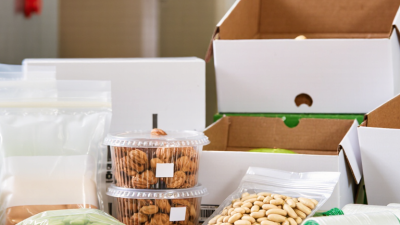
Choosing among China’s food packaging design companies takes more than comparing polished portfolios. A striking pouch or box must also work on a crowded shelf, protect the product, and remain practical to manufacture. Food packaging design connects visual identity with materials, printing, production constraints, and the moment a shopper reaches for a product. Small details matter: a resealable zipper, legible cooking instructions, or color that stays consistent across print runs.
Design researcher Don Norman offers a useful principle: “Good design is actually a lot harder to notice than poor design, in part because good designs fit our needs so well that the design is invisible.” His observation is not specific to food packaging, but it helps frame what strong packaging should do: make choosing, opening, and using a product feel clear and uncomplicated. This guide examines Chinese firms through practical signals, including relevant food-sector experience, portfolio depth, material knowledge, communication, and their ability to carry a concept from mock-up to production. A beautiful render alone is not proof of reliable execution. Nor does one successful case guarantee a good fit for every brand.
The right partner depends on the product, audience, budget, and production plan. A tea label, frozen-food pouch, and premium snack carton each face different demands. Some companies may excel at visual storytelling; others may bring stronger technical coordination. There is no universal winner. The comparisons ahead aim to help readers ask sharper questions, while recognizing that public portfolios rarely reveal every production challenge—or every compromise.
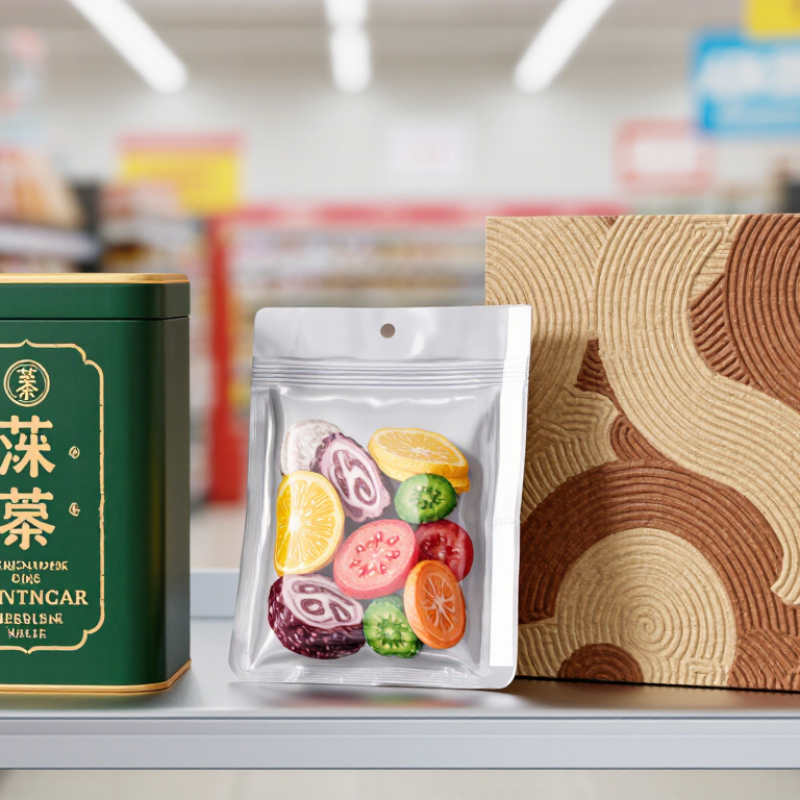
A food packaging design company in China is more than a studio that creates attractive labels. It connects food knowledge, structural design, material selection, printing, and production testing. A useful brief considers the product’s moisture, oil content, serving size, transport route, and time on shelf. Think of a chilled meal crossing several warehouses: seals, stacking strength, and legible storage instructions matter as much as color. The label alone is not enough. Companies may also coordinate with packaging converters and food producers, though their exact capabilities vary.
The need for practical design is clear. FAO’s 2019 report, The State of Food and Agriculture, estimated that 14% of food is lost between harvest and retail. Packaging cannot solve every cause, but suitable formats may help protect food during handling and distribution. UNEP’s Food Waste Index Report 2024 estimated that 1.05 billion tonnes of food were wasted in 2022, across households, food service, and retail. These figures describe a wider system, not the impact of design alone. Ask a prospective partner how it tests package fit, readability, sealing, and material use. Request prototypes. Then check them under real filling and transport conditions. A polished mock-up can still fail on a damp production line.
Food packaging design companies in China may offer more than visual design. Many develop package structures, create artwork, prepare print files, and coordinate prototypes with manufacturers. A team might adjust a paper carton so it opens cleanly, or refine a pouch layout to make product details easier to read. Small changes matter. Some firms also help select materials, comparing paper, flexible films, and molded formats against cost, shelf life, and handling needs. Ask how they test these choices; a polished mock-up is not proof that a package will perform well on a production line.
Capabilities can include color checks, print sampling, structural testing, and production follow-up. Teams with packaging experience can flag issues such as weak seals, cramped labels, or graphics that shift during printing. They may also advise on reducing material use, though lighter packaging is not automatically more protective or recyclable. Trade-offs are real. Before choosing a partner, review physical samples and ask who manages revisions, supplier communication, and quality checks. One limitation is that design teams may not control every factory process. Clear responsibilities and written specifications help prevent costly misunderstandings.
| Service or Capability | Typical Scope | Common Formats and Materials | Typical Deliverables or Checks | Best Suited For |
|---|---|---|---|---|
| Packaging strategy and concept development | Audience and use-case research, shelf positioning, pack architecture, and concept exploration. | Cartons, labels, flexible packs, pouches, bottles, jars, and food-service packs. | Design concepts, format recommendations, visual direction, and initial production considerations. | New product launches, repositioning, and portfolio refreshes. |
| Structural and packaging engineering | Pack dimensions, opening and closing features, material selection, and fit with filling or packing processes. | Paperboard, corrugated board, glass, metal, and flexible plastic structures. | Structural drawings, dielines, prototypes, and checks for assembly, transport, and line compatibility. | Products needing improved protection, usability, shipping efficiency, or production fit. |
| Graphic and label design | Visual identity application, information hierarchy, artwork layout, and preparation of print-ready files. | Printed cartons, film, sleeves, wraparound labels, and pressure-sensitive labels. | Artwork files, color references, layout checks, and versions for different pack sizes or markets. | Brands managing multiple products, pack sizes, or sales channels. |
| Food-contact material and regulatory coordination | Review of intended food contact, material documentation, and applicable requirements for the destination market. | Food-contact paper, plastics, coatings, inks, adhesives, glass, and metal components. | Document review and coordination of testing or supplier declarations; requirements depend on material, use, and market. | Projects requiring documented material suitability or sales in multiple jurisdictions. |
| Prototyping and prepress support | Sample production, artwork preparation, print specification checks, and coordination with packaging suppliers. | Digital or physical mock-ups for cartons, labels, pouches, and other printed packs. | Prototype samples, production artwork, print specifications, and review notes. | Teams that need to evaluate appearance and function before production. |
| Packaging performance testing coordination | Planning or arranging tests suited to the product, pack design, distribution route, and storage conditions. | Finished packs and material samples across rigid and flexible formats. | Test plans or reports may cover seal integrity, leakage, compression, drop, transit, or barrier performance where relevant. | Products sensitive to moisture, oxygen, impact, leakage, or long-distance transport. |
| Sustainability and material optimization | Assessment of material use, pack weight, recyclability considerations, and opportunities to simplify structures. | Paper-based packs, mono-material flexible structures, lightweight containers, and reduced-material designs. | Material options and design trade-offs; claims should be checked against local collection and recycling conditions. | Businesses seeking to reduce packaging material or improve end-of-life considerations. |
| Supplier and production coordination | Communication between design teams, converters, printers, packaging manufacturers, and food producers. | Printed and converted packaging components selected for the project. | Supplier specifications, sample reviews, production follow-up, and change coordination when included in scope. | Buyers who need support moving from approved design to manufacturing. |
Selection note: Capabilities vary by provider and project. Confirm the provider’s specific experience, manufacturing partners, testing scope, and responsibility for regulatory review. In China, food-contact packaging requirements include applicable standards in the GB 4806 series; export projects may also need to meet the destination market’s rules.
Companies recognized for food packaging design in China are not identified by appearance alone. Strong teams combine structural engineering, shelf impact, and practical knowledge of local retail and delivery conditions. Their portfolios should show how a pack protects food, communicates storage instructions, and remains easy to open. Look for documented prototypes and testing, not only polished renderings.
The FAO’s 2019 report, The State of Food and Agriculture, estimated that 14% of food is lost between harvest and retail worldwide. That figure makes protection during handling and transport a meaningful design concern, though packaging cannot solve food loss by itself. Recognized studios should explain material choices, sealing performance, and how designs perform in real distribution tests.
Small details matter. A weak corner, blurred date code, or awkward tear strip can undermine a beautiful concept. Award recognition and client work can help assess experience, but neither proves production reliability. I would also ask for evidence from pilot runs; a thoughtful design may still need revision once machines and actual products are involved.
Food packaging design companies in China often differ more by material expertise than by visual style. Flexible-packaging teams work with stand-up pouches, roll film, and sachets. They balance shelf impact with seal strength, barrier layers, and print clarity. A design that looks sharp on screen may lose detail on a curved or glossy pouch.
Rigid-packaging specialists handle cartons, trays, and molded containers. For bakery boxes, they consider grease resistance and easy opening. For chilled foods, structure and moisture tolerance matter more. These details shape the dieline, board choice, and finish. Small production tests help reveal problems before a large order.
Some studios focus on premium presentation, while others are stronger in practical, high-volume formats. That difference matters. A delicate foil accent can suit a gift box, but it may add cost without helping a daily-use package. Buyers should ask for material samples, printed proofs, and clear explanations of trade-offs. I would not judge a supplier from mockups alone; actual samples can expose color shifts, weak folds, or awkward handling. One detail is often missed: the best design depends on the product’s journey, not just the shelf.
Choosing a food packaging design company in China requires more than reviewing attractive mock-ups. Ask for comparable food projects, named design stages, and clear ownership of artwork and tooling. Request physical samples, not just screen renders. Check seal integrity, print legibility, and whether the pack runs on your filling line. FAO’s 2023 SDG Progress Report estimated that 13.2% of food was lost after harvest and before retail in 2021. That makes protection and shelf-life testing central design criteria, not decorative extras.
Evaluate material knowledge alongside visual skill. Ask how the proposed structure handles moisture, oxygen, light, transport, and storage conditions. Request test methods and results, plus a prototype trial using your product. Confirm the company can provide editable dielines, color proofs, production specifications, and realistic lead times. Speak with a past client if possible. A polished portfolio alone proves little.
Check cost assumptions, revision limits, and communication routines in writing. Smithers’ 2024 packaging-market forecast projects global packaging value reaching about US$1.3 trillion by 2029, reflecting a crowded, fast-moving field. Yet bigger capacity does not guarantee a better fit. Ask who actually handles your account and how production problems are escalated. One trade-off may remain unresolved; record it before signing.